Why Choose a Freight Container for Global Shipping?

Moving goods across oceans, rail lines, and highways requires equipment that can handle more than one stage of a journey. A freight container offers a standardized, enclosed space that can move between ships, trains, and trucks with fewer transfers of individual items. For businesses, that can simplify planning and reduce repeated handling. It can also help protect packaged goods from rain, spray, dust, and routine contact during transport.

The practical benefits depend on preparation. A clean, structurally sound container matters. So do suitable packaging, balanced weight distribution, and clear cargo records. A shipper should match the container type to the goods, route, and handling needs; a standard dry container will not suit every load. Small details count. A damp floor or damaged door seal can create problems that no schedule can fix. Even a well-chosen freight container does not remove delays caused by weather, congestion, or changing transport plans. That limitation is easy to overlook. Choosing the right unit is therefore only part of reliable shipping; careful loading and coordination matter just as much. This guide explores why freight containers remain central to global shipping, what advantages they offer, and which practical checks help businesses make informed choices.
Why Choose a Freight Container for Global Shipping?

What a Freight Container Is and How It Is Designed

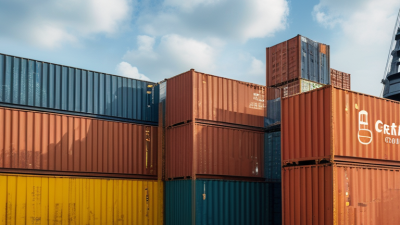
A freight container is a reusable, intermodal steel unit that protects cargo while moving between ships, trains, and trucks. Its main advantage is simple: goods can stay packed during transfers. Less handling can mean fewer delays and less exposure to damage. It is not a shipping box of any size. ISO 668 defines standard container dimensions and ratings. A typical 20-foot container measures about 6.06 metres long and 2.44 metres wide. Reinforced corner castings let cranes lift it and help secure it during transport. Small fittings, big consequences.

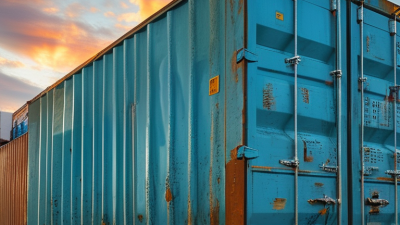
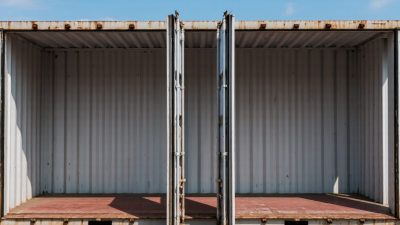
Corrugated steel walls add strength without making every panel solid and heavy. The floor is usually timber or a similar engineered material, while door seals help keep out rain and spray. Yet a sealed container is not automatically dry; condensation can still form when temperatures shift. UNCTAD’s Review of Maritime Transport 2024 reports that global container port throughput reached 858.9 million TEUs in 2023. A TEU is the capacity of one standard 20-foot container. That scale depends on shared dimensions and handling points. It also makes wear easy to overlook: damaged seals, bent corners, or a soft floor can compromise a unit that looks sound from outside.
How Standardized Containers Move Between Transport Modes

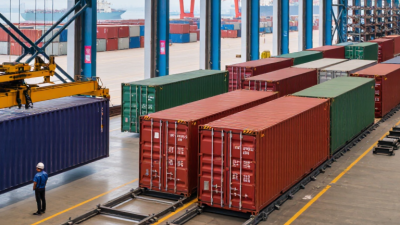
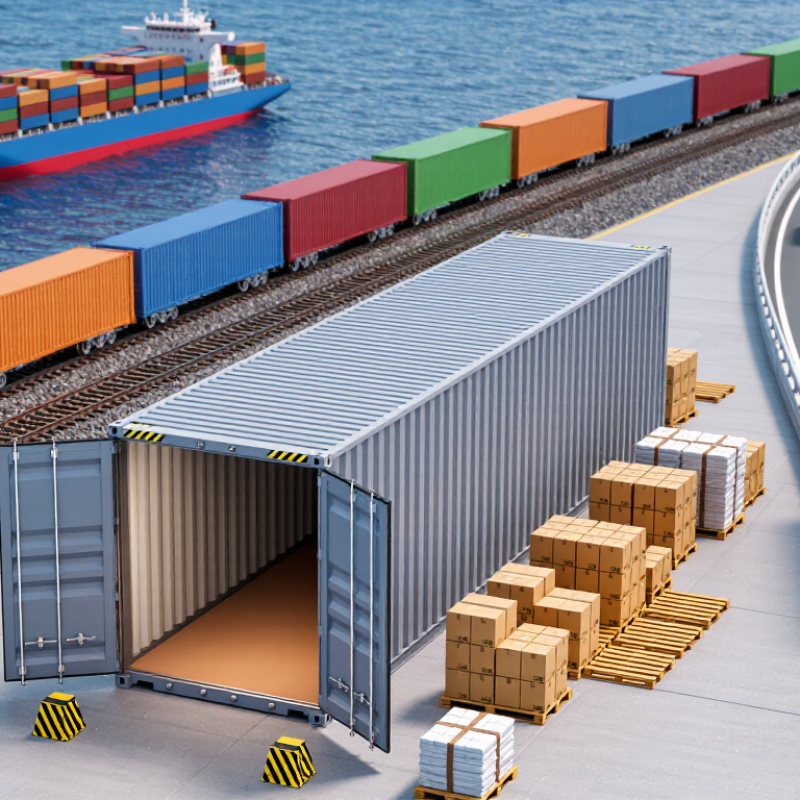
A freight container is useful because the cargo can stay inside one secure steel box as it moves between truck, rail, and ship. Standardized dimensions let terminals lift it with cranes and secure it to chassis or rail wagons. The transfer usually moves the container, not each carton or pallet. That saves handling time and reduces repeated exposure to weather and damage.

Small detail. A properly seated corner fitting matters.

The scale is substantial. UNCTAD’s Review of Maritime Transport 2024 reports that seaborne trade reached about 12.3 billion tons in 2023. Containers do not carry every kind of cargo, but their standard dimensions make connections between transport modes practical across busy ports and inland terminals. ISO 668 sets out series 1 freight-container classifications and dimensions, giving equipment operators a common physical reference. The process is not frictionless: missed rail connections, crane delays, and poor load planning can still leave a box waiting. I have seen the simplest advantage become a weak point when schedules fail. Standardization smooths the handoff; it does not guarantee a smooth journey.

How Containers Protect Cargo During Long-Distance Shipping

A freight container protects cargo by creating a sturdy barrier against rain, spray, wind, and rough handling. Its steel walls and roof shield goods from direct exposure, while locking doors help keep loads enclosed during transfers between ships, trains, and trucks. That matters. A sealed container can still develop condensation when warm, moist air cools overnight. Water may collect on the ceiling and drip onto cartons, even when the exterior looks sound.

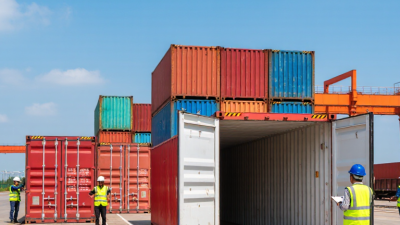
Good protection starts before the doors close. Check the floor for dampness, loose nails, or residue, and make sure the container is dry and structurally sound. Place cartons on pallets or other suitable supports, then block and brace the load so it cannot shift during braking or vessel movement. Use moisture-absorbing materials when cargo and route conditions call for them, and avoid covering ventilation openings on goods that need airflow. Details count. Uneven loading can leave heavy pressure on a few boxes. No container removes every risk, and inspection alone cannot predict every temperature swing. Matching packaging, ventilation, and cargo securing to the journey gives goods a better chance of arriving intact.

How Container Shipping Supports Security and Cargo Tracking

A freight container creates a defined, lockable space for cargo during a long journey. Its steel walls help protect goods from weather, handling, and casual access. Before departure, staff can record the container number, inspect its condition, and note the seal number on shipping documents. A numbered seal provides visible evidence if a door has been opened. Small checks matter.

Tracking adds a useful record of where a container has been and when it moved. Depending on the service, updates may come from port scans, vessel schedules, or location devices. A clear event history helps teams spot delays and contact the right carrier or terminal. If a scan is missed, however, the screen may show stale information. No system is perfect.

For shippers, useful tracking means checking milestones, not watching a map constantly. The container number should match across booking records, transport documents, and status updates. If those details differ, staff should verify them before acting. Tracking data can support security, but it cannot prove that every item inside is undamaged or present. A seal check at handover still matters, and someone must record what they actually see.

Why Choose a Freight Container for Global Shipping? - How Container Shipping Supports Security and Cargo Tracking

Security or Tracking Dimension How It Works Practical Benefit Important Consideration
Enclosed cargo space Goods are packed inside a closed, rigid container that can be secured for transport. Reduces exposure to weather and limits casual access while cargo moves between transport modes. Container walls do not replace suitable packaging, careful loading, or cargo insurance.
Tamper-evident seals A numbered seal is applied to the container door after loading, and its condition and number can be checked at handover points. Can help reveal unauthorized opening and support a documented chain of custody. A seal is a detection measure, not a guarantee against theft; seal details should be recorded and verified.
Container identification Containers carry standardized identification markings that allow them to be distinguished in shipping documents and operational systems. Helps carriers, terminals, and shippers match a physical container to transport records. Accurate identification depends on correct data entry and updates when shipment details change.
Milestone tracking Shipment updates may record events such as gate-in, loading, vessel departure, arrival, and release. Provides visibility into a shipment’s progress and can help teams plan receiving and onward transport. Update frequency and detail vary by carrier, route, terminal, and available data connections.
Vessel location data Vessel-position information, commonly based on AIS broadcasts, can indicate a ship’s reported location and movement. Offers route-level context while a container is aboard a vessel. AIS tracks vessels, not individual containers; position availability and accuracy can vary.
Electronic tracking devices Where fitted, a device attached to or placed with cargo may report location or events such as door opening, light, shock, or temperature. Can add shipment-specific information beyond standard transport milestones. Devices are not included with every shipment; coverage, battery life, permissions, and service availability affect reporting.
Access and handover records Transport documents and operational records can note custody changes and container movements between parties. Creates a traceable history that can help investigate delays, discrepancies, or security concerns. Records are most useful when each handover is documented promptly and consistently.
Controlled handling Containers can move between ship, rail, and road without unpacking the goods at each transfer. Fewer cargo-handling steps can reduce opportunities for loss or damage during transfers. Additional inspections, customs procedures, or cargo transfers may still be required.

How Freight Containers Affect Shipping Costs and Efficiency

A freight container affects shipping costs through the space it uses, the handling it requires, and the protection it provides. Its standard dimensions let ports and carriers move cargo between ships, rail, and trucks with fewer transfers. That can reduce handling time. Fewer touches may also mean less risk of damage, though careful packing still matters.

Cost depends on how well the container is filled. A business shipping enough goods to use most of a container can spread transport costs across more units. Smaller shipments may share container space, but consolidation can add waiting time while other cargo is gathered. A half-empty container is costly space. Measuring cartons and planning the load before booking can prevent that waste. It is a practical step, but forecasts are not always right.

Containers can improve efficiency when cargo is packed securely and paperwork and schedules are ready before arrival. A clear loading plan helps workers use available space without blocking access to goods needed first. Yet the container itself does not guarantee a faster delivery. Port congestion, missed connections, or delays at the final destination can erase time saved elsewhere. It is worth checking the full route and total charges, not just the ocean freight rate.