What Is a Freight Container and How Does It Work?
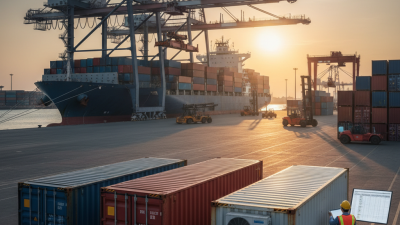
A freight container is more than a steel box on a ship. It is a standardized cargo unit that moves between vessels, trains, trucks, and terminals. Its strength lies in its uniform dimensions, secure doors, and corner fittings. These features allow cranes to lift cargo quickly, without unpacking every carton.
The scale is enormous. UNCTAD’s Review of Maritime Transport 2024 reported that global maritime trade reached about 12.3 billion tons in 2023. It also recorded 2.4% growth during that year. Container shipping supports a significant share of manufactured-goods movement within this system. ISO 668 defines standard container dimensions, helping equipment work across international transport networks. Still, standards do not remove every problem. Port congestion, damaged seals, poor weight records, and delayed documentation can interrupt an apparently simple journey.
Transport geographer Jean-Paul Rodrigue describes the container as “a standard transport unit designed to be moved seamlessly between ships, trucks, and trains.” That sentence captures the central idea. The freight container connects different transport modes through one physical package. A crane lifts it from a trailer, places it on a vessel, and later transfers it to rail. The cargo remains inside.
The details matter.
This article explains the container’s structure, handling process, markings, and common types. It also examines why containerization improved speed, security, and cost control. Some explanations will sound straightforward. Real operations are less tidy. Weather, inspections, equipment limits, and human decisions still shape each shipment. Understanding those limitations makes the freight container easier to evaluate realistically.
What Is a Freight Container?
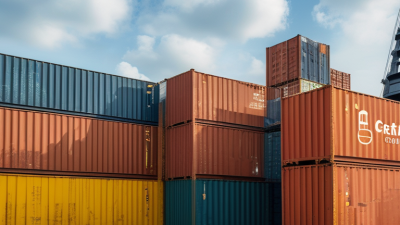
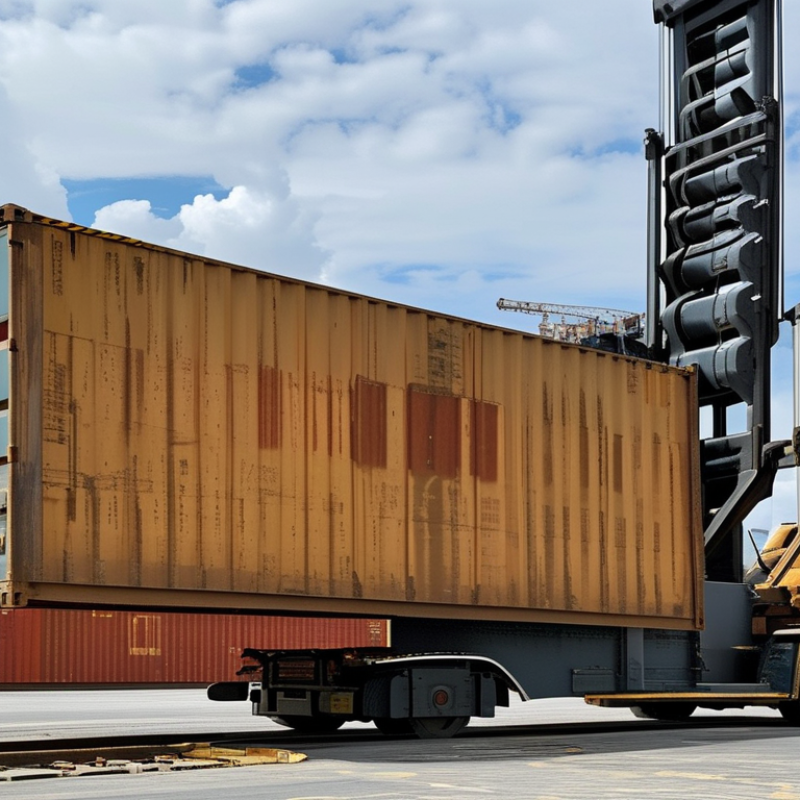
A freight container is a reusable, standardized box designed to move goods between ships, trains, trucks, and storage yards. Most are built from weather-resistant steel, with reinforced corner posts and lockable doors. Their standard dimensions allow lifting equipment to handle them safely and efficiently.
Inside, a container protects cargo from rain, dust, and repeated handling. Wooden floors support pallets, cartons, or machinery. Tie-down points help prevent movement during transport. Ventilation openings may reduce condensation, although they cannot solve every moisture problem. That detail is often underestimated.
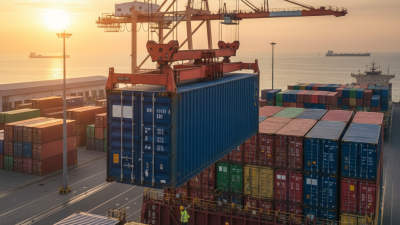
It works through intermodal transport. A loaded container can leave a warehouse by truck, travel by rail, and continue by ship without unpacking the goods. Twist-lock fittings secure it to a vehicle or another container. Cranes lift it by the corner castings, not by the roof or doors. This system reduces loading time and lowers the risk of cargo damage.
However, a freight container is not a perfect protective shell. Its condition matters. A damaged door seal, wet floor, or hidden odor can affect the shipment. Experienced workers inspect the interior, check the locking bars, and confirm the container’s weight before loading. Cargo also needs balanced distribution. A heavy item placed at one end may create dangerous pressure during lifting or travel. Mistakes happen. Careful preparation remains essential.
How Freight Containers Are Designed and Built
What Is a Freight Container and How Does It Work?
How Freight Containers Are Designed and Built
A freight container is a steel cargo box engineered for repeated lifting, stacking, and ocean travel. UNCTAD’s Review of Maritime Transport 2023 reports that ships carry over 80% of global merchandise trade by volume. Containers make that movement more predictable. Their standard dimensions allow cranes, trucks, rail wagons, and ships to handle the same unit.
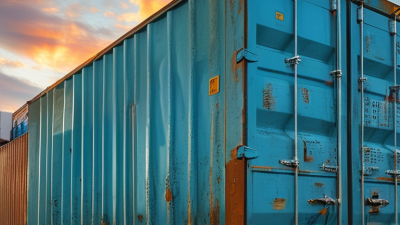
Most general-purpose containers use weathering steel. Corrugated side panels add stiffness without excessive weight. The roof sheds rain, while heavy corner castings transfer lifting forces. A marine-grade plywood floor sits on steel cross members. Double locking bars seal the doors tightly. The design looks simple. It is not.
Manufacturers build each unit against ISO 1496 performance requirements and verify safety under the International Convention for Safe Containers. Inspectors check welds, doors, floors, and frame geometry. A damaged corner casting can affect an entire stack. That detail is easy to underestimate. The World Shipping Council notes that container losses at sea remain a serious operational concern, although annual losses vary by year and route. Better inspections help, but design alone cannot remove every risk.
Tips: Check the container’s identification plate, inspection date, floor condition, and door seals before loading. Keep heavy cargo low and distribute weight evenly. Do not trust a clean exterior; hidden frame distortion may remain. In practice, small loading errors can create large stresses during lifting.
How Goods Are Packed and Secured Inside
What Is a Freight Container and How Does It Work?
A freight container is a strong, reusable box designed to move goods between ships, trains, and trucks. Its real value depends on how cargo is packed and secured inside. A container can protect goods from rain and handling, but it cannot correct poor loading decisions.
Cargo should be placed on stable pallets or suitable supports whenever possible. Heavy items belong low and near the center, while lighter cartons can fill upper spaces. Workers should distribute weight evenly across the floor. Gaps need blocking, bracing, or approved cushioning materials.
Straps, lashing bars, and corner protectors help prevent movement during sudden braking or rough sea conditions. A common mistake is tightening straps without protecting fragile packaging. Pressure can damage boxes before the journey begins.
Loaders should inspect the container floor, walls, doors, and locking points first. They should also record visible damage and check weight limits. No plan is perfect. Even experienced teams can overlook a small empty space.
Tips: Keep labels visible and avoid placing them under straps. Use dry, clean packing materials. Check that doors close fully without forcing them. Photograph the finished load before sealing it. Finally, compare the packing method with the cargo instructions and applicable transport requirements. That final review may feel repetitive, but it often catches weak bracing or uneven weight.
How Containers Move Across Transport Networks
What Is a Freight Container and How Does It Work?
How Containers Move Across Transport Networks
A freight container is a strong, reusable box built for intermodal travel. It can move by truck, rail, and ship without unloading the cargo inside. Standard corner fittings let cranes lift it securely. Locking bars keep the doors closed during handling and transit.
The journey often begins at a warehouse loading area. Workers distribute weight across the floor and secure cartons against movement. A truck carries the sealed unit to a terminal. There, a crane transfers it between road and rail equipment, or places it aboard a vessel. Each handoff creates a record, such as a gate scan, weighing result, or inspection note. These records help planners locate delays and verify custody.
Small details matter. A damaged seal, wet floor, or incorrect weight can interrupt the route. Rail schedules may change, and port congestion can hold a container for hours or days. The system is efficient, but not flawless. I have found that clear packing lists and early data checks prevent many avoidable delays. Still, a scan can be missed. When that happens, operations staff compare timestamps, equipment numbers, and terminal messages before moving the box again. A container is simple hardware. Its movement depends on disciplined coordination.
How Containers Are Loaded, Unloaded, and Reused
A freight container is a strong, standardized box designed for repeated transport.
Its value depends on careful handling, not only steel walls. Before loading, workers inspect the floor, doors, corner fittings, and internal cleanliness. Any damage can affect safety. The container must sit level on a trailer, rail wagon, or handling frame. Cargo is placed evenly, with heavier items low and near the center. Empty spaces need suitable dunnage or restraint materials. Movement inside the box can damage both cargo and container.
Loading requires patience.
Workers check weight limits, axle balance, and door clearance before sealing the container. A loading plan may look perfect on paper. Real cargo rarely behaves perfectly. Shifting weight, awkward shapes, or wet packaging can force a change. After loading, the doors are secured, and identification details are recorded. During unloading, trained operators lift or move the container onto stable ground. They open the doors carefully because cargo may have shifted during transit. A quick visual check comes first. Then workers remove restraints and unload items in a controlled order.
Reuse begins after unloading.
Inspectors look for dents, cracks, corrosion, damaged floors, and faulty locking parts. Minor defects can often be repaired, while serious damage requires controlled removal from service. Cleanliness matters too, especially when the previous cargo left dust, moisture, or odors. Containers may serve again for general freight, storage, or temporary site use. That choice should match their condition. A reused container is not automatically safe. Its history, inspection record, and next load all matter.