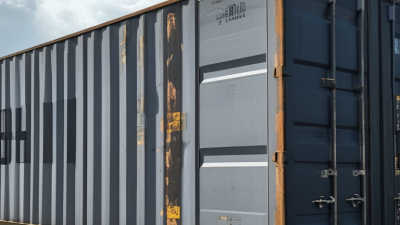
7 Tips for Choosing a Cargo Shipping Container

Choosing the right cargo shipping container is not a simple matter of size or price. It affects cargo protection, handling speed, storage costs, and delivery reliability. A scratched steel wall, weak door seal, or unsuitable floor can create expensive problems before the shipment reaches its destination.

Marc Levinson, a respected historian of containerization, wrote, “The container changed the way the world moves goods.” That idea remains practical today. A container is not merely a metal box. It is a working environment for products exposed to vibration, humidity, temperature changes, and repeated handling. Experienced shippers examine the cargo, route, loading method, and equipment condition together.

Small details matter. Measure twice. Inspect the doors. Check the floor. Confirm the internal height. Verify the supplier’s records and required safety markings. A dry container may suit boxed machinery, while temperature-sensitive goods may require specialized equipment and stricter monitoring. The cheapest option can become the costliest choice after delays, moisture damage, or unusable space.

This guide presents seven practical tips for selecting a cargo shipping container with greater confidence. It considers container type, dimensions, condition, ventilation, loading access, documentation, and total cost. The process is not perfect. Even careful planning can miss an unusual route restriction or packaging weakness. That is why decisions should remain evidence-based and open to review. A reliable choice begins with honest cargo details, professional inspection, and a supplier willing to answer specific questions.

7 Tips for Choosing a Cargo Shipping Container

Define the Cargo Type, Size, and Weight Requirements

7 Tips for Choosing a Cargo Shipping Container

Define the Cargo Type, Size, and Weight Requirements

Start with the cargo itself, not the container price. Identify whether the goods are boxed, palletized, loose, fragile, or sensitive to temperature. A metal machine needs different protection than fabric rolls or dry food products. Record length, width, height, and total weight for every item. Include pallets, crates, bracing, and moisture protection.

Measure twice.

Leave clearance around the cargo for loading and inspection. Check the container’s internal dimensions, door opening, and payload rating. A large object may fit inside but fail through the doors. Weight distribution also matters. Place heavy items low and near the center when practical. Uneven loading can create handling problems and damage during transport. Confirm the floor can support concentrated loads, especially under machinery legs.

My early estimates were too optimistic. I once focused on total weight and overlooked the space needed for corner protection. That small mistake changed the packing plan. Now, I create a simple loading sketch before selecting a container. I also weigh the packed cargo, not just the product. Use accurate scales and keep the records available. Then compare the figures with current carrier, port, and road requirements. If the measurements are uncertain, inspect a sample package physically. Guesswork becomes expensive when the container is already sealed.

Choose the Right Container Size and Internal Layout

Choosing a container starts with the cargo, not the price. Measure the longest, widest, and highest item before booking. Then add clearance for doors, walls, and handling equipment. A 20-foot container suits dense cargo with limited volume. A 40-foot container offers nearly twice the floor length, but weight limits still matter. A 40-foot high-cube adds about 30 centimeters of internal height. That space can prevent awkward stacking.

Internal layout deserves equal attention. Keep heavy cartons low and centered. Leave a clear path toward the doors. Use pallets, blocking, and bracing to control movement during vessel motion. The International Maritime Organization’s CTU Code recommends proper cargo distribution and securing inside transport units. A simple sketch can expose problems early. It is easy to overestimate usable space. Door openings are smaller than internal dimensions, and corner posts reduce practical width.

UNCTAD’s Review of Maritime Transport 2024 reported 12.3 billion tonnes of seaborne trade in 2023. That volume increases pressure on efficient loading and equipment availability. Check the cargo’s gross weight against the container’s verified gross mass requirement. Do not treat empty gaps as harmless; they may create shifting forces. My earlier assumption that “more space is safer” was incomplete. Unused space can increase damage risk without better bracing. Photograph the loaded layout, record weight positions, and review the plan with the consignee before sealing. Small corrections matter.

7 Tips for Choosing a Cargo Shipping Container

Choose the right container size and internal layout by comparing usable internal volume before planning your cargo.

A 20-foot container is suitable for smaller or heavier shipments, while 40-foot and 40-foot high-cube containers provide more space for bulky cargo. Actual capacity may vary depending on wall thickness, door clearance, cargo shape, and internal layout.

Compare New, Used, and Specialized Container Conditions

Choosing a cargo shipping container starts with condition, not appearance. A new container usually offers clean floors, tight door seals, and predictable corrosion resistance. It costs more, yet fewer repairs may protect delivery schedules. Used units vary widely. Inspect corner posts, roof panels, floorboards, locking bars, and gasket edges in daylight. A few dents are acceptable, but soft steel or water stains deserve caution. I once saw a clean-looking unit leak after one storm. That mistake was expensive.

Ask for repair records, manufacture year, inspection documents, and verified internal dimensions. Check the payload against your cargo and transport equipment. Refrigerated containers need tested temperature control, airflow, power connections, and recent temperature logs. Open-top units suit tall cargo, but tarp condition and securing points require close inspection. Side-opening models improve access, while misaligned doors can delay loading. Tank containers demand matching design specifications and valid certification for approved cargo and routes. Specialized units solve specific problems, but unused features increase handling and rental costs.

Before booking, inspect for unusual smells, damp insulation, sharp edges, and floor contamination. Request clear condition photos with dates. An independent surveyor can identify defects that casual checks miss. A well-maintained used standard container may outperform a neglected specialized unit. I sometimes overestimate future needs; extra capacity feels safe, but it can waste money. Compare transport, cleaning, repair, energy, and return costs. Get acceptance criteria in writing before pickup. Details prevent disputes.

Check Shipping Regulations, Security, and Required Features

7 Tips for Choosing a Cargo Shipping Container

Check Shipping Regulations, Security, and Required Features

1. Check the destination’s customs rules before selecting a container. Requirements can differ by cargo type, route, and port. Confirm dimensions, documentation, inspection procedures, and permitted materials through official authorities or your carrier.

2. Match the container to the cargo. Measure the goods, including pallets and protective packaging. Leave enough clearance for loading equipment and airflow. A container that looks spacious may become difficult to load.

3. Review the maximum payload and weight distribution. Uneven loading can damage products, floors, or handling equipment. Ask for verified specifications, not only estimates from a seller.

4. Inspect the container’s condition carefully. Look for light entering through roof panels, damp flooring, damaged seals, and strong odors. Small defects can become expensive problems during a long voyage.

5. Treat security as a required feature. Choose strong locking points, reliable door seals, and a design that supports tamper-evident controls. Keep seal numbers and inspection records with the shipping documents.

6. Consider tracking and emergency access. A suitable unit should support safe inspection without unnecessary unloading. Temperature or ventilation requirements may also matter for sensitive goods.

7. Confirm insurance and carrier acceptance before booking. Some containers meet physical standards but fail route-specific policies. I have seen planning fail because a basic feature was assumed, not verified.

Do not overlook cleanliness. Residue, moisture, and pests can create disputes at delivery. A final inspection checklist helps, although it will not replace professional advice. Recheck every measurement before payment.

Evaluate Costs, Suppliers, Delivery, and Long-Term Value

7 Tips for Choosing a Cargo Shipping Container

Evaluate Costs, Suppliers, Delivery, and Long-Term Value

The cheapest container can become expensive quickly. Tip 1: compare the total landed cost, including transport, inspection, taxes, repairs, and storage. Tip 2: request written quotes with identical specifications. Container xChange’s 2024 market analysis shows that equipment prices vary sharply by location, condition, and availability. Tip 3: check supplier records, inspection procedures, and after-sales support. Ask for recent photos, not only standard catalog images. Small dents are normal. Serious corrosion is not.

Tip 4: match the container to your cargo, route, and loading method. A dry container suits general goods, while temperature-sensitive cargo needs controlled equipment. UNCTAD’s Review of Maritime Transport 2024 reports that over 80% of global merchandise trade by volume moves by sea. Delays therefore matter. Tip 5: confirm the delivery window, port charges, tracking method, and contingency plan. The World Bank’s Logistics Performance Index 2023 emphasizes customs, tracking, infrastructure, and delivery timeliness. These details affect real costs.

Tip 6: inspect door seals, flooring, locking bars, roof panels, and the safety approval plate. Tip 7: calculate long-term value, not just purchase price. A durable unit may reduce water damage and repeated repairs. I still get this wrong sometimes. A newer container is not always the better investment. Local climate, handling frequency, and resale demand can change the calculation. Keep inspection records and challenge vague promises before payment.

7 Tips for Choosing a Cargo Shipping Container - Evaluate Costs, Suppliers, Delivery, and Long-Term Value

Tip Evaluation Area Practical Data and Benchmarks What to Confirm Before Ordering Common Cost or Quality Risk Long-Term Value Indicator
1 Match the container to the cargo A standard 20-foot dry container typically provides about 33 m³ of internal volume and a payload capacity commonly around 28,000 kg, subject to the container's rating and local road limits. A standard 40-foot dry container typically provides about 67 m³ of internal volume. Confirm cargo dimensions, total weight, pallet layout, loading method, ventilation needs, moisture sensitivity, and whether a high-cube unit is required for extra internal height. Choosing by volume alone can create unused space, payload restrictions, or unsafe weight distribution. A 40-foot unit is not automatically suitable for heavier cargo. The best fit minimizes wasted cubic capacity, repacking labor, and the number of shipments required over the container's service life.
2 Calculate total landed cost Compare more than the purchase price. Include the container, inland transport, terminal or handling charges, documentation, inspection, taxes or duties, insurance, modification costs, storage, and any return or repositioning expense. Request a written quotation that separates one-time charges from recurring charges and states the quotation validity period, currency, payment terms, delivery point, and tax treatment. A low headline price may exclude transport, unloading equipment, repairs, certification, delivery surcharges, or destination fees. Use a three- to five-year total-cost estimate that includes expected maintenance, repainting, floor repairs, security upgrades, and resale or reuse potential.
3 Assess supplier reliability A dependable supplier should provide a verifiable business address, clear specifications, written warranty terms, traceable inspection records, and references for comparable orders. Product documentation should identify the container type, dimensions, tare weight, maximum gross weight, and payload. Check how defects are reported, who pays for corrective work, how replacement decisions are made, and whether the supplier can provide dated photographs or an independent inspection. Vague specifications, pressure for full payment before verification, inconsistent dimensions, and missing ownership or condition records are significant warning signs. Supplier transparency reduces claims, delays, and replacement costs, especially when ordering multiple units or establishing a repeat purchasing program.
4 Verify condition and compliance For cargo transport, inspect the floor, roof, sidewalls, doors, locking bars, gaskets, corner castings, welds, and internal cleanliness. International marine transport generally requires a valid CSC safety approval plate; the plate includes inspection and safety information. Confirm the unit is wind- and watertight, doors seal correctly, the floor is suitable for the cargo, and the certification remains valid for the planned transport route and carrier rules. Corrosion, pinholes, damaged door seals, contaminated floors, warped doors, and uncertified units may cause cargo damage, rejection, or additional inspection costs. A documented inspection and repair history helps extend usable life and supports insurance, resale, and future transport acceptance.
5 Plan delivery and site access Delivery depends on route distance, road restrictions, container chassis availability, unloading equipment, weather, port congestion, and local appointment requirements. A loaded container may require a suitable truck, level placement area, and lifting or sliding equipment. Measure gate width, turning radius, overhead clearance, ground bearing, unloading space, and final placement area. Confirm whether delivery is curbside, chassis drop-off, or offloading at the exact site. Poor access can result in failed delivery attempts, waiting charges, crane hire, road permits, surface damage, or the need to relocate the container. A delivery plan that is confirmed in writing prevents avoidable site costs and makes future moves, loading operations, and maintenance easier.
6 Compare lead time and inventory risk Lead time should be divided into production or allocation time, inspection time, inland transport, export or import processing, port handling, and final delivery. Actual timing can change because of weather, congestion, customs, equipment shortages, or peak-season demand. Ask for a realistic delivery window, dispatch milestones, contingency arrangements, stock availability, and the process for handling delays or damaged units in transit. An unverified “in stock” claim can cause production downtime, emergency rental costs, or expedited freight charges. Reliable scheduling is valuable when the container supports seasonal inventory, construction work, export commitments, or continuity of operations.
7 Evaluate lifetime performance Consider expected use, loading frequency, climate, corrosion exposure, security requirements, repairability, insulation needs, ventilation, and whether modifications will affect structural integrity or certification. Confirm repair access, replacement-part availability, coating or paint requirements, door hardware quality, floor treatment, lock compatibility, and any modification approval needed before cutting or welding. Cheap modifications, poor coatings, blocked ventilation, and unauthorized structural changes can shorten service life and increase maintenance or compliance costs. Favor a container with durable construction, documented maintenance, adaptable features, predictable operating costs, and a clear reuse or resale path.

Planning note: Dimensions, payload, fees, certification requirements, and delivery times vary by container specification, jurisdiction, carrier, route, and cargo. Confirm final figures with the supplier, carrier, terminal, and relevant authorities before purchase or shipment.