How to Buy a 20ft Shipping Container in 2026?

A 20ft shipping container may look simple from the roadside. Buying the right one takes closer inspection. The price is only part of the decision. Condition, delivery access, intended use, and seller transparency can change the real cost.

UNCTAD’s Review of Maritime Transport 2024 reports that shipping carries over 80% of world trade by volume. The report underscores how central containers are to global commerce. UNCTAD Secretary-General Rebeca Grynspan has described maritime transport as “the backbone of international trade and the global economy.” That wider context matters, but buyers still need to assess each unit on its own merits.

This guide explains how to compare new, used, and one-trip containers in 2026. It covers practical checks, including the door seals, floor, corner castings, and visible corrosion. Ask for clear photos and the container’s identification details. Confirm the delivery truck can reach the placement site; a narrow gate or low branch can turn delivery into a problem. For cargo transport, verify the container’s inspection status and documentation with the seller. For storage, focus on weather-tightness and the condition of the roof and doors. Small differences matter.

Even experienced buyers miss this. A fresh coat of paint can hide wear, and a low quote may exclude delivery. Use the steps ahead to compare like with like, ask better questions, and choose a 20ft shipping container suited to its actual job—not just its advertised price.
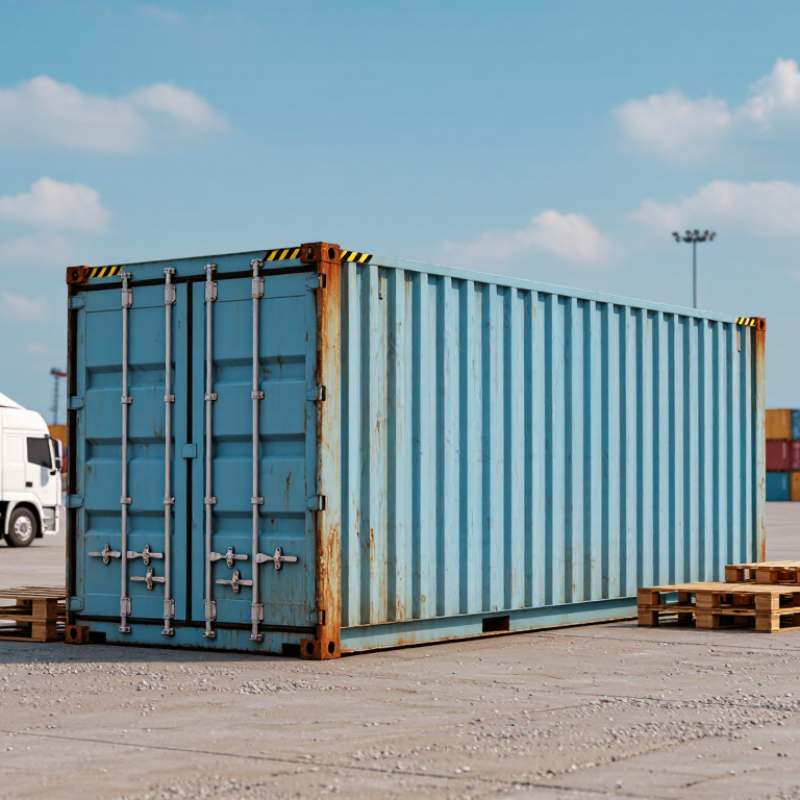
How to Buy a 20ft Shipping Container in 2026?

Define Your Intended Use, Budget, and Container Requirements

When planning to buy a 20ft shipping container in 2026, start with its job, not its paint. Will it hold garden tools, protect workshop equipment, or provide site storage? List what you’ll store, how often you need access, and whether people will work nearby. Those details affect door access, ventilation, insulation, and flooring. Small details matter.

Measure the delivery route as carefully as the space where the container will sit. Check gate width, overhead branches, turning space, and firm ground for the delivery vehicle. A standard 20ft unit is roughly 20 feet long and 8 feet wide, but dimensions vary by model. Ask for exact external and internal measurements, including door clearance. Don’t assume it will fit. That mistake is easy to make.

Set a budget that includes delivery, unloading, site preparation, and possible repairs. For a used container, request clear photos of the roof, floor, corners, and door seals; inspect it in person when practical. Ask about water ingress, door operation, and previous repairs, and get important condition details in writing. Even careful plans can miss something. Leave a little room to revise your requirements.

Choose the Right 20ft Container Type, Size, and Condition

A 20ft shipping container is not one-size-fits-all. A standard dry unit suits tools, furniture, or general storage. A high-cube model adds roughly one foot of exterior height, which helps with tall items, though this option may be less available. Refrigerated units serve temperature-sensitive cargo, but their insulation and machinery reduce usable interior space. Check the actual measurements, not just the listing title. A tape measure can settle this faster.

Most standard containers measure about 20 feet long, 8 feet wide, and 8 feet 6 inches high outside. Interior dimensions vary by construction and condition, so confirm door opening and floor space before ordering. For condition, ask for recent photographs of the roof, underside, door seals, and interior floor. Look for deep rust, holes, warped doors, damp patches, and strong odors. Surface wear is normal; structural damage is different. “Cargo-worthy” or “wind and watertight” descriptions can mean different things between sellers, so ask what was inspected and when. Even a fresh-looking unit can hide trouble beneath the floor. I would not rely on photos alone if the container will protect valuable equipment; an in-person inspection may be worth the extra time.

Compare Sellers, Prices, Warranties, and Documentation

A 20ft shipping container can look straightforward in a listing, but condition and delivery details change the real cost. Compare at least three sellers using the same checklist. Ask whether the unit is new, refurbished, or used, and request recent photos of the roof, floor, corner posts, and door seals. Check that the container identification number matches the inspection report. Small details matter.

Compare complete quotes, not just the advertised price. Ask whether delivery, offloading, site access, and any applicable taxes are included. A low quote may leave out crane service or difficult-site charges. Confirm the delivery date and cancellation terms in writing. I would be cautious about relying on a phone promise; it is easy for both sides to remember it differently.

Read the warranty before paying. Check what it covers, how long coverage lasts, and whether corrosion, leaks, or repairs are excluded. Then confirm which documents the seller will provide, such as an invoice, condition report, delivery receipt, and ownership paperwork where applicable. Requirements can vary with location and intended use, so ask what applies to your purchase. Keep copies together. Even careful buyers can overlook a missing attachment, so check the paperwork before the container arrives.

Inspect the Container and Confirm Delivery Requirements

Before buying a 20ft shipping container, inspect it in person when possible. Open both doors and check that they swing freely, latch securely, and close without force. Look along the roof for dents, standing water, or daylight coming through. Inside, check the floor for soft spots, loose boards, and strong musty odors. Examine door seals, corner castings, and lower rails for rust or damage. A small dent may be harmless, but deep corrosion near a structural corner deserves closer attention. Take clear photos and request a written condition description. Photos can miss details.

Tips: Bring a flashlight and a tape measure. Check the container’s actual exterior and interior dimensions, especially if equipment or shelving must fit. Ask for the container’s age and repair history, but treat verbal assurances as a starting point, not proof.

Confirm delivery details before scheduling. Measure the entrance, driveway width, overhead clearance, and turning space. Ask what truck or unloading equipment will be used, and whether the ground can support its weight. A narrow gate or soft lawn can delay delivery or require a different placement plan. Confirm the delivery price, access limits, and unloading responsibilities in writing. Even a careful inspection cannot reveal everything, so leave a little room for surprises.

How to Buy a 20ft Shipping Container in 2026? — Inspect the Container and Confirm Delivery Requirements

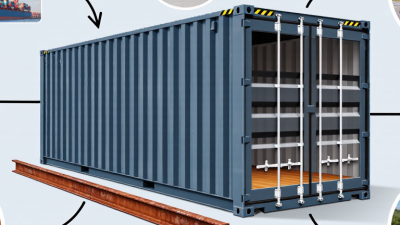
Typical dimensions of a standard 20ft dry container, shown in feet.

Dimensions can vary by container design and condition. Before purchase, verify the specific unit’s measurements and confirm that the delivery route and site have enough access and clearance.

Finalize the Purchase and Verify Local Rules and Ownership Records

Before paying, ask the seller for a written bill of sale showing the container’s identification number, price, condition, and delivery terms. Match that number to the markings on the container. Take clear photos before it leaves the seller’s site. Small discrepancies matter.

Confirm that the seller has the right to transfer ownership. Request available ownership records and keep copies of the invoice, payment receipt, and delivery paperwork. Requirements vary by location, and a shipping container may not come with a conventional vehicle-style title. Ask your local authority what records it expects. Get the answer in writing when possible.

Check local rules before scheduling delivery. Zoning, building, and fire officials may have different requirements for placement, setbacks, foundations, or permits. Describe the planned use and exact location, not just the container’s dimensions. Also measure the access route: a delivery truck needs more room than the container itself. That detail is easy to miss. Inspect the container on arrival, including doors, floor, and roof, then note any damage on the delivery receipt. I once assumed a level driveway meant an easy drop-off; it did not. Verify the details twice.

How to Buy a 20ft Shipping Container in 2026? - Finalize the Purchase and Verify Local Rules and Ownership Records

Purchase Check What to Confirm Records or Evidence to Keep Why It Matters
Confirm the exact unit Record the container’s unique identification number and confirm that the number on the unit matches the sales documents. Written quotation or order showing the identification number, container type, condition, and agreed price. Helps ensure the delivered container is the specific unit inspected and purchased.
Verify dimensions and fit A typical 20-foot standard container is about 20 ft long, 8 ft wide, and 8 ft 6 in high externally. Internal dimensions are commonly around 19 ft 4 in long, 7 ft 9 in wide, and 7 ft 10 in high; actual measurements vary by unit. Seller’s specification sheet and, where clearance is critical, measurements of the actual unit. Confirms that the container will fit the intended space, access route, and planned use.
Review condition before payment Inspect the roof, floor, doors, seals, corner fittings, and visible corrosion. Agree in writing on the condition and any repairs included. Dated inspection notes and photographs, plus written disclosure of known defects. Reduces disputes about damage or condition after delivery.
Check site and local rules Ask the local planning, building, or zoning authority whether placement or use requires approval. Check applicable zoning, setbacks, site restrictions, and any building or fire-safety requirements. Written guidance, permit or approval if required, and notes of the authority contacted and date. Rules differ by location and intended use; a container purchase does not itself authorize placement or conversion.
Check private and property restrictions Review lease terms, deed restrictions, homeowners’ association rules, or other applicable property agreements before arranging delivery. Relevant written consent or approval, where required. Private property rules may apply in addition to local government requirements.
Confirm ownership and seller authority Ask the seller to confirm in writing that they own the unit or are authorized to sell it, and that the container identification number matches the unit. Signed bill of sale or sale agreement identifying the container, buyer, seller, price, and sale date. Creates a clear record of the transfer. Ownership-record requirements vary; there is not one universal container title registry for every location.
Clarify payment and transfer terms Confirm the total price, taxes or fees, payment schedule, cancellation terms, and when responsibility for the unit transfers to the buyer. Final invoice, signed terms, and proof of payment. Documents the agreed transaction and helps resolve payment or delivery disagreements.
Arrange delivery and unloading Confirm the delivery address, access width and overhead clearance, ground conditions, unloading method, delivery window, and who pays for additional trips or delays. Written delivery instructions and confirmation of delivery charges and responsibilities. Delivery vehicles need suitable access and a safe, stable place to unload the container.
Keep final ownership records After delivery, compare the container identification number with the purchase documents and note any new damage before signing a delivery receipt. Bill of sale, invoice, payment proof, delivery receipt, identification number, and dated delivery photographs. A complete record supports future proof of purchase, insurance inquiries, resale, or dispute resolution.

Note: Container dimensions and condition vary by unit. Confirm measurements and local requirements with the relevant authorities before purchase, site preparation, or delivery.