2026 Top 20ft Shipping Container Prices for Global Buyers
The 2026 market for a 20ft shipping container is shaped by more than steel and floor space. Prices vary by origin, condition, certification, inland distance, and seasonal availability. A clean, cargo-worthy unit near Shanghai may cost very differently from one stored inland in Rotterdam or Dallas. That difference matters.
Industry data provides useful context, but it requires careful interpretation. Drewry’s World Container Index and the Freightos Baltic Index track ocean freight rates, not direct container-sale prices. Their movements still reveal pressure on shipping capacity, fuel costs, and major trade lanes. Container xChange reports also monitor equipment availability, leasing activity, and regional imbalances. These indicators help explain why a 20ft shipping container may become cheaper in one port while remaining expensive elsewhere. UNCTAD’s Review of Maritime Transport adds broader evidence about fleet growth, port congestion, and global trade conditions.
This guide compares indicative 2026 prices for new, used, cargo-worthy, and one-trip containers. It also considers delivery, inspection, taxes, modification, and local handling charges. The headline price is rarely the final invoice. A low quote may hide a long trucking route, damaged doors, or an expired CSC plate. Buyers should request dated photographs, serial details, condition grades, and written delivery terms. Prices change quickly. Reports are valuable, but no single dataset captures every local transaction. That is an honest limitation. Use the figures as a decision range, not a guaranteed offer. Expect exceptions. Good purchasing still depends on port-level verification and supplier reliability.
2026 Price Benchmarks for New, Used, and One-Trip 20ft Containers
2026 Top 20ft Shipping Container Prices for Global Buyers
For 2026, indicative prices for new 20ft containers range from $3,000 to $5,500. These units usually have clean floors, tight door seals, and minimal surface damage. One-trip containers often cost $2,500 to $4,500. They have typically completed one ocean journey and may show small handling marks. Used 20ft containers are more affordable, commonly priced between $1,400 and $3,200. Condition changes the figure quickly.
Prices vary by port, steel costs, currency, and local stock. A container near a major export terminal may cost less than one transported inland. Buyers should request separate figures for the unit, delivery, taxes, inspection, and unloading. Ask for recent photos. Check the door gasket, corner posts, roof patches, floor boards, and locking bars. Small defects matter.
Delivered cost matters most.
A low purchase price can become expensive after 200 miles of trucking or difficult site access. New units suit projects needing a cleaner appearance and longer service life. One-trip units offer a practical balance for storage, transport, and conversion work. Used units can work well, but their history is not always clear. That is a weakness worth admitting. A written condition report and an independent inspection can reduce surprises. Buyers should also confirm dimensions, payload markings, ventilation, and delivery timing before payment. Availability may change weekly, so a 2026 benchmark should guide negotiation, not replace a current local quotation.
20ft Container Specs: ISO 668 Size, 33.2 m³ Capacity, and Tare
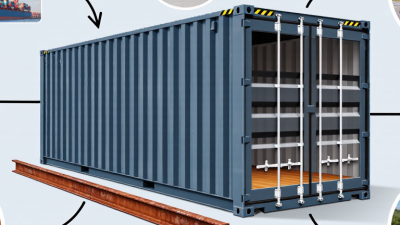
For 2026 global buyers, a 20ft shipping container remains a practical standard for international cargo planning. Its dimensions follow ISO 668, supporting compatibility with ships, rail systems, trucks, and lifting equipment. The external size is approximately 6.058 metres long, 2.438 metres wide, and 2.591 metres high.
Inside, the usable space is usually close to 5.9 metres long, 2.35 metres wide, and 2.39 metres high. The nominal capacity is about 33.2 cubic metres. Actual loading space may be slightly lower because of wall panels, door frames, and floor construction. The difference matters. Measure twice.
Tare weight commonly ranges from about 2,200 to 2,400 kilograms, depending on steel thickness, flooring, doors, and production tolerances. A newer unit may weigh differently from a repaired or heavily reinforced unit. During purchase checks, compare the tare shown on the door plate with the supplier’s specification sheet. Do not rely on capacity alone. Cargo weight, axle limits, and local transport rules can affect the practical payload. I have seen plans fail because buyers calculated volume correctly but ignored weight distribution. Prices also change with condition, location, freight demand, and inspection results. A clean specification sheet can still hide small measurement differences, so independent verification remains worthwhile.
2026 Top 20ft Shipping Container Prices for Global Buyers - 20ft Container Specs: ISO 668 Size, 33.2 m³ Capacity, and Tare
20ft Dry Freight Container — Standard Reference Specifications
| Specification |
Standard / Typical Value |
Unit |
Buyer Reference |
| Container type |
20ft general-purpose dry freight container |
— |
Enclosed steel cargo unit for standard non-temperature-controlled goods |
| International standard |
ISO 668 dimensional classification |
— |
Dimensions may vary slightly by manufacturer and construction series |
| External length |
6,058 |
mm |
Approximately 20 ft |
| External width |
2,438 |
mm |
Approximately 8 ft |
| External height |
2,591 |
mm |
Approximately 8 ft 6 in |
| Typical internal length |
5,898 |
mm |
Actual internal dimensions depend on wall and floor construction |
| Typical internal width |
2,352 |
mm |
Suitable for standard palletized cargo planning |
| Typical internal height |
2,393 |
mm |
Standard-height configuration |
| Internal volume |
Approximately 33.2 |
m³ |
Nominal volume; usable volume is lower after loading and securing cargo |
| Door opening |
Approximately 2,340 × 2,280 |
mm |
Width × height; confirm the exact unit drawing before loading |
| Typical tare weight |
2,200–2,400 |
kg |
Exact tare is marked on the container safety plate |
| Maximum gross mass |
30,480 |
kg |
Common rated limit; verify the individual container plate and transport rules |
| Approximate maximum payload |
28,080–28,280 |
kg |
Calculated from maximum gross mass minus typical tare weight |
Indicative 2026 Purchase Prices for 20ft Dry Containers
| Market |
Common Condition |
Indicative Price Range |
Price Basis |
Typical Buyer Consideration |
| China |
New / one-trip |
US$2,200–3,500 |
Factory or port-area purchase |
Strong availability; inland delivery and export handling are usually additional |
| Vietnam |
Used cargo-worthy |
US$1,600–2,800 |
Depot or port-area purchase |
Inspect floor condition, door seals, and valid safety certification |
| India |
New / one-trip |
US$2,300–3,800 |
Port-area purchase |
Availability can differ considerably between coastal and inland locations |
| United Arab Emirates |
Used cargo-worthy |
US$1,800–3,000 |
Depot or logistics-zone purchase |
Marine exposure and prolonged outdoor storage should be checked |
| Saudi Arabia |
Used cargo-worthy |
US$1,900–3,200 |
Depot or inland delivery point |
Delivery distance may materially affect the final landed cost |
| Turkey |
Used cargo-worthy |
US$1,700–3,000 |
Port or regional depot |
Verify corner fittings, cross-members, and exterior corrosion |
| South Africa |
Used cargo-worthy |
US$2,200–4,000 |
Port-area or inland depot |
Transport to remote destinations can exceed the container purchase price difference |
| Egypt |
Used cargo-worthy |
US$1,800–3,100 |
Port-area purchase |
Check door operation, roof repairs, and water-tightness before payment |
| Netherlands |
Used cargo-worthy |
US$2,000–3,600 |
Depot purchase, excluding VAT |
Regional depot stock and tax treatment can change the advertised price |
| Germany |
Used cargo-worthy |
US$2,100–3,700 |
Depot purchase, excluding VAT |
Ask for exact tare, inspection records, and delivery quotation |
| United Kingdom |
Used cargo-worthy |
US$2,000–3,800 |
Depot purchase, excluding VAT |
Road delivery, unloading equipment, and VAT may be quoted separately |
| Spain |
Used cargo-worthy |
US$1,900–3,400 |
Port or regional depot |
Salt-air exposure is relevant for units stored near coastal terminals |
| Poland |
Used cargo-worthy |
US$2,000–3,500 |
Inland depot purchase |
Inland transport and crane or side-loader service are normally additional |
| United States — East Coast |
Used cargo-worthy |
US$1,800–3,500 |
Local depot or terminal area |
Regional supply, delivery distance, and condition create wide price variation |
| United States — Gulf Coast |
Used cargo-worthy |
US$1,700–3,300 |
Local depot or terminal area |
Confirm whether the quoted price includes delivery and offloading |
| United States — West Coast |
New / one-trip |
US$2,500–4,500 |
Port-area or regional depot |
Newer stock is often priced higher; local transport can add substantially |
| Canada |
Used cargo-worthy |
US$2,400–4,500 |
Depot purchase, before local taxes |
Winter conditions, inland distance, and seasonal availability affect pricing |
| Mexico |
Used cargo-worthy |
US$1,900–3,600 |
Port or inland depot |
Confirm title, customs status, and the unit’s inspection documentation |
| Brazil |
Used cargo-worthy |
US$2,300–4,200 |
Port-area or regional depot |
Import duties, domestic taxes, and inland delivery may materially increase landed cost |
| Australia |
Used cargo-worthy |
US$3,000–5,000 |
Port-area or inland depot |
Distance, quarantine requirements, and local delivery equipment should be budgeted |
Pricing note: The 2026 figures are indicative planning ranges in United States dollars for a standard 20ft dry container. They generally exclude ocean freight, inland transport, taxes, customs charges, unloading equipment, inspection fees, and modifications. Final pricing depends on condition, age, location, certification, stock availability, and delivery distance. Always confirm the container’s safety plate, tare weight, structural condition, and water-tightness before purchase.
Regional Price Gaps Measured by SCFI, Drewry WCI, and Port Rates
In 2026, a 20-foot shipping container is not priced by steel alone. Regional freight and port charges can change the landed cost sharply. The Shanghai Containerized Freight Index (SCFI) and Drewry World Container Index (WCI) measure ocean freight, not the container’s factory price. That distinction is often missed.
Recent SCFI and WCI assessments have shown wide route differences between Asian export ports, Northern Europe, and North America. A 20-foot unit moving from East Asia to the United States may carry several hundred dollars in ocean costs before terminal handling. Northern European routes can show different gaps, even when the container itself has the same specifications. Port tariff schedules add another layer. Handling, storage, documentation, and inland transfer fees may exceed the basic container purchase discount.
Small details matter. A new 20-foot dry container may include stronger flooring, cleaner panels, and a valid inspection plate. Used units can cost less, but dents, odor, or floor repairs reduce practical value. Industry freight reports also warn that spot rates can move quickly after disruptions or capacity changes. A quoted price may age badly.
Buyers should compare the unit price, SCFI or WCI route level, and destination port tariff on the same date. That is more reliable than comparing supplier quotes alone. Some estimates still exclude customs-related charges and local delivery. Mistakes happen here. They are expensive.
2026 Total Cost: Container Price, Delivery, Customs Duties, and Taxes
2026 Top 20ft Shipping Container Prices for Global Buyers
A 20ft shipping container may cost $1,500 to $4,000 in 2026, depending on condition, location, and market supply. That figure is only the starting point. Buyers should calculate the delivered cost before approving an order. Ocean freight can change weekly. Inland trucking may add several hundred dollars, especially for remote destinations. Port handling, documentation, and terminal charges also affect the final invoice.
Customs duties usually depend on the declared container value and local tariff rules. Some countries also charge import VAT, inspection fees, or environmental levies. A container priced at $2,400 can exceed $5,000 after freight, customs, taxes, and delivery. Storage charges are another concern. A delayed pickup may create daily costs at the port. I once underestimated local handling fees. The original budget looked accurate, but it excluded unloading equipment and customs processing.
Tips:
Request a door-to-door quotation with every fee listed. Ask whether taxes are included or paid separately. Confirm the container’s age, condition, and inspection records. Keep invoices, packing details, and transport documents consistent. Small errors can delay clearance. Rates are not always transparent. Compare at least three written offers, then verify the tariff classification with a licensed customs professional. Leave a contingency fund of 10% to 15%. It may still be insufficient during peak seasons.
Buyer Checks: CSC Plate, ISO Markings, Condition Grades, and Quote Terms
When comparing 2026 20ft shipping container prices, begin with the CSC plate. It should be legible, securely attached, and consistent with the seller’s documents. Check the approval number, manufacture date, maximum gross weight, and inspection details. A missing or damaged plate deserves careful questions.
ISO markings confirm the container’s size, type, and handling specifications. Compare them with the quoted 20ft unit, especially when several containers appear in one listing. Condition grades can be inconsistent between sellers. “Cargo-worthy” may mean different things. Inspect the door seals, floor, corner castings, roof, and interior odor. Rust is common, but deep corrosion or patched structural areas can change the real value. Request recent photos with a date and a simple walk-around video.
Price is only one part of the quote. Ask whether delivery, depot handling, lifting, taxes, inspection, and documentation are included. Confirm the currency, payment schedule, quote validity, and refund conditions before sending funds. A low offer may exclude local charges. I have seen buyers focus on the container price and overlook the final delivery bill. That mistake is easy to make. Ask for a line-by-line quotation and verify the container number before release. If the inspection report conflicts with the photos, pause the purchase and request clarification in writing.