What Is a 20 Foot Storage Container Used For?

A 20 foot storage container is more than a steel box beside a warehouse. It is a practical, movable space for protecting equipment, stock, furniture, and project materials. Its standard dimensions offer about 1,170 cubic feet of internal storage, although usable space changes with wall thickness and fittings.

John Fossey, a container shipping industry analyst at Drewry, has described the 20-foot unit as “the workhorse of global logistics.” That reputation explains its popularity in construction, retail, manufacturing, farming, and household relocation. A contractor may store power tools and packaged materials inside one unit. A small business may use it for seasonal inventory. A homeowner may need it during renovation.

Weather resistance is a major advantage. However, it is not absolute protection. Moisture can form inside when warm air meets cold steel. Wooden pallets, ventilation equipment, and moisture absorbers can reduce that risk. They do not replace regular inspections.

Security matters too. Strong locks, level placement, and adequate lighting make daily access safer. The container should rest on stable ground, with doors opening fully and drainage kept clear. Local site rules may also affect delivery, placement, and permitted modifications.

There are limitations.

A standard unit can become hot, dark, and difficult to organize. It may not suit temperature-sensitive goods without professional insulation or climate control. This overview will examine common uses, practical setup choices, safety considerations, and the mistakes buyers often overlook. Real-world suitability depends on the goods, location, access frequency, and storage duration.
What Is a 20 Foot Storage Container Used For?

What Is a 20-Foot Storage Container?

What Is a 20-Foot Storage Container?

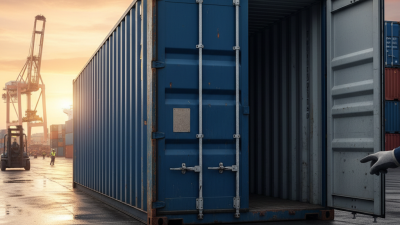
A 20-foot storage container is a standardized steel box for moving or storing goods. ISO 668 specifies external dimensions of about 6.06 meters long, 2.44 meters wide, and 2.59 meters high. Its internal capacity is usually close to 33 cubic meters. That space can hold household furniture, packaged inventory, tools, or several standard pallets. The exact payload varies. Check the container’s safety plate before loading heavy equipment.

It is practical on construction sites, farms, warehouses, and residential properties. A forklift can place pallets inside. Double doors allow easier access to large items. A lockable steel bar improves security, while vents help reduce trapped moisture. UNCTAD’s Review of Maritime Transport reports that ships carry more than 80% of global merchandise trade by volume, supporting the container’s importance in modern logistics. Still, a storage unit does not automatically provide climate control.

Condensation remains a common problem. Wooden furniture may need raised pallets and breathable covers. Sensitive electronics require professional moisture protection. The container should stand on level blocks, not bare soil. Local planning rules may also apply. One detail is often missed. A used container can have dents, worn seals, or a slightly uneven floor. Inspect it in daylight before signing.

What Is a 20-Foot Storage Container Used For?

A standard 20-foot storage container is commonly used for transporting cargo, storing household or business inventory, securing equipment, and creating temporary workshops or site storage areas.

Typical internal dimensions: approximately 5.90 m long, 2.35 m wide, and 2.39 m high, providing about 33.2 m³ of interior volume. Exact measurements can vary slightly by container design and condition.

How Is a 20-Foot Storage Container Designed?

What Is a 20 Foot Storage Container Used For?

A 20-foot storage container is built around a strict international footprint. ISO 668:2020 lists an external length of 6.058 metres and a width of 2.438 metres. Its standard external height is 2.591 metres. Inside, usable space is usually about 33 cubic metres, depending on the wall and floor design.

The structure relies on corner posts, top rails, bottom rails, and corrugated steel panels. These parts spread lifting forces through reinforced corner fittings. A typical internal length is close to 5.9 metres, while the internal width is about 2.35 metres. That width suits pallets, tools, seasonal equipment, and household storage, but tight loading can waste valuable space. Small gaps become expensive mistakes.

ISO specifications commonly allow a maximum gross mass near 30,480 kilograms, including the container itself. However, the floor may carry uneven loads poorly. The Container Handbook, published by the German Insurance Association, stresses balanced weight distribution and secure cargo restraint. The World Shipping Council reported 576 containers lost at sea in 2023, showing why structural strength alone is not enough. Doors, locking bars, ventilation openings, and moisture control also shape practical performance. A container can look nearly indestructible. It is not. Condensation, poor airflow, and concentrated floor pressure still create real weaknesses.

What Are the Main Uses of a 20-Foot Storage Container?

What Is a 20 Foot Storage Container Used For?

A 20-foot storage container provides about 33 cubic metres of enclosed space. ISO 668:2020 defines the standard container dimensions, supporting consistent transport and storage planning. Its steel walls protect tools, furniture, packaging, and seasonal inventory from rain, dust, and direct sunlight. Many construction teams use one beside a project site for cement bags, power tools, pipes, and protective equipment. Small businesses also store stock there when indoor warehouse space becomes expensive.

The container also supports workshops, farm storage, temporary archives, and mobile site offices. UNCTAD’s Review of Maritime Transport 2023 reports that maritime shipping carries over 80% of global merchandise trade by volume. That figure explains why this format remains widely available and easy to reposition. However, a container is not automatically dry inside. Temperature changes can create condensation, especially when wet items enter during cold weather. Ventilation and careful packing matter. I learned this the hard way.

Tips: Keep boxes on pallets, leave a small air gap near the walls, and use a moisture absorber. Check the floor for damage before loading. A standard unit can carry substantial weight, but the floor may suffer from concentrated loads. Spread heavy machinery across timber supports. Confirm local placement rules, ground strength, access width, and fire-safety requirements before delivery. Allow room for door swing. Tiny planning errors become expensive.

What Items Can Be Stored in a 20-Foot Container?

A 20-foot storage container can hold many household and business items when they are packed carefully. Its internal space is usually about 33 cubic meters, although usable capacity depends on the container design and loading method. Sofas, beds, tables, chairs, cabinets, and boxed clothing are common choices. Disassembled furniture saves valuable floor space. Keep screws and fittings in labeled bags.

Small businesses often store boxed stock, display materials, hand tools, spare parts, and seasonal equipment inside. Construction teams may use containers for sealed building materials and non-powered tools. Offices can store desks, chairs, filing cabinets, and archived documents. Use plastic bins for paper records. Cardboard absorbs moisture more easily.

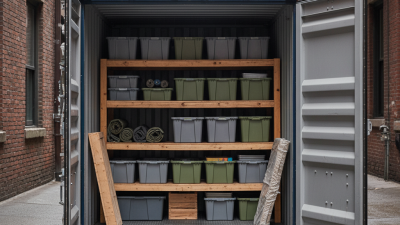
Garden furniture, bicycles, sports equipment, and holiday decorations also fit well. Heavy items should sit low and near the center. Pallets can lift boxes above the floor and improve airflow. Leave a narrow walkway if regular access matters. Otherwise, the rear items may become difficult to reach.

Temperature-sensitive goods need extra care. Electronics, photographs, musical instruments, and solid wood furniture can suffer from condensation or heat. Add moisture control and inspect the container after heavy rain. Avoid storing food, flammable materials, chemicals, or anything requiring special legal controls. A common mistake is filling every gap; I have found that a little empty space often prevents crushed boxes and hidden moisture damage.

What Is a 20 Foot Storage Container Used For? - What Items Can Be Stored in a 20-Foot Container?
Storage Use Typical Items Approximate Space Requirement Why a 20-Foot Container Works Important Storage Considerations
Household Moving and Renovation Sofas, beds, tables, chairs, wardrobes, packed clothing, books, and household cartons Suitable for the contents of a small apartment or a partially furnished home, depending on furniture size and packing method Provides approximately 33 cubic metres of internal volume and allows furniture and boxes to be organized in a single enclosed space Disassemble large furniture where possible, protect corners, and leave access space for frequently needed items
Business Inventory Cartons of packaged goods, spare parts, tools, office supplies, seasonal stock, and non-perishable products Best for medium-volume inventory that requires more floor area than a small storage unit Standardized internal dimensions make shelving, pallets, and labeled carton layouts practical Use pallets or raised flooring to keep goods away from condensation and allow air circulation
Construction Materials Timber, tiles, pipes, hand tools, electrical supplies, fixtures, and packaged building materials Works well for a project site’s tools and moderate quantities of materials Wide door access and a typical internal length of about 5.9 metres make long packaged materials easier to store Check the material length, stack weight, moisture sensitivity, and local fire-safety requirements before loading
Agricultural and Garden Equipment Hand tools, hoses, irrigation parts, seed containers, lawn equipment, and non-hazardous supplies Appropriate for equipment and supplies that fit within the container’s doorway and internal height Offers weather-resistant enclosed storage and helps keep tools centralized between seasons Do not store wet crops, damp soil, or leaking fuel-powered equipment without suitable preparation and ventilation
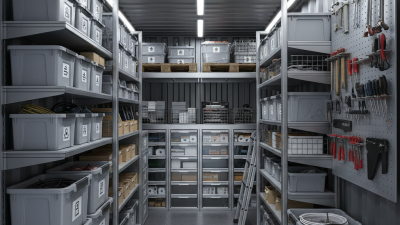
Records and Document Storage Archive boxes, paper files, folders, office furniture, and boxed administrative materials High-density shelving can hold a substantial quantity of archive cartons while preserving an aisle The rectangular layout supports rows of shelving and clear labeling systems Control humidity where possible, keep boxes off the floor, and follow applicable retention and privacy rules
Workshop and Equipment Storage Hand tools, compact machinery, workbenches, ladders, maintenance supplies, and protective equipment Suitable for a compact workshop or equipment store when machines are measured before loading The container can provide a secure, lockable space for equipment that is not needed every day Distribute heavy items evenly, secure moving parts, and maintain adequate lighting and ventilation for regular access
Retail and Event Materials Display stands, shelving, signage, folding tables, seating, packaging, and seasonal decorations Useful for reusable event equipment or seasonal stock that must be stored between uses Allows large flat-packed items and multiple cartons to be stored together without occupying indoor business space Pack displays with protective material and create an inventory map to reduce unloading time
Vehicle or Motorcycle Storage One compact car, several motorcycles, bicycles, or other small vehicles, subject to actual measurements Possible only when the vehicle’s length, width, height, and loading method fit the container’s clear opening and interior The approximately 5.9-metre internal length can accommodate some compact vehicles with careful positioning Drain or secure fluids as required, disconnect the battery when appropriate, use wheel chocks, and check local storage regulations
Outdoor and Recreational Gear Bicycles, camping equipment, kayaks, sports equipment, patio furniture, and seasonal gear Efficient when equipment is cleaned, folded, nested, or stored on racks Offers enclosed, lockable space for bulky items that are used periodically rather than daily Dry all equipment before storage and avoid blocking ventilation openings or the door area
Planning reference: A typical 20-foot dry storage container has an internal size of approximately 5.9 m long × 2.35 m wide × 2.39 m high, with about 33 cubic metres of internal volume. Exact dimensions, door opening, maximum payload, and permitted uses vary by container design and local regulations. Always verify measurements and weight limits before loading.

What Factors Should Guide Your Container Choice?

What Is a 20 Foot Storage Container Used For?

A 20-foot storage container suits household moves, renovation materials, farm tools, and business inventory. Its internal space usually holds about 33 cubic meters, though usable capacity varies by design. Measure every large item before ordering. A sofa may fit easily, while shelving can reduce walking space quickly. Keep heavier boxes low and distribute weight across the floor. This protects the structure and makes unloading safer.

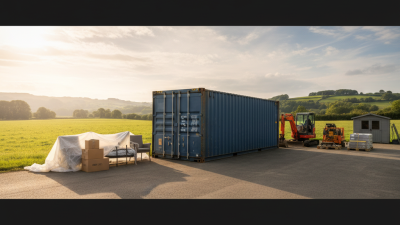
Your site should guide the container choice. Check the delivery route, turning space, overhead branches, and ground strength. A loaded unit can place serious pressure on soft soil. Concrete blocks or a prepared base may improve stability, but local guidance still matters. Ask about permits, placement limits, and neighborhood restrictions before delivery. Door position also matters. One end door works for many uses, while additional access can reduce searching time.

Weather and access deserve careful attention. Inspect door seals, locking bars, floor condition, and roof damage before accepting a used unit. I once focused on price and ignored afternoon heat. That assumption was wrong. Poor airflow can damage sensitive contents, especially during humid seasons. Add approved ventilation where appropriate, and avoid storing materials that require controlled temperatures. Consider how often you will visit, how long storage will last, and whether future access is realistic. A slightly larger container may cost more, but cramped packing creates hidden labor and damage risks.