What Is the Best 10 Foot Storage Container in 2026?

Choosing the best 10 foot storage container in 2026 requires more than comparing prices. A compact steel unit can protect tools, seasonal furniture, records, or small business stock. Yet “best” depends on your site, climate, loading habits, and budget. Space matters. Before reviewing models, measure the available footprint, access route, and door clearance. A container that fits the yard may still fail at the gate.

This guide focuses on practical evidence: construction quality, weather resistance, ventilation, locking design, floor strength, delivery, and maintenance. We will examine new and used units, including steel thickness, door configuration, paint condition, and manufacturer support. A sound evaluation also considers condensation. Even a sealed container may collect moisture when temperatures change. Basic ventilation can help, but it cannot correct leaks, poor drainage, or careless placement. Measure twice.

The discussion aims to help homeowners, contractors, and small operators make dependable choices without overspending. Product claims deserve scrutiny, especially when photographs hide dents, rust, or repaired panels. Ask for dimensions, inspection details, warranty terms, and delivery requirements. Some recommendations may remain uncertain, because no single container suits every property. That choice is personal. Comparing real conditions with verified specifications can reveal the most practical option. It can also expose compromises. A 10 foot storage container should fit your space, daily access needs, and maintenance expectations through changing seasons.
What Is the Best 10 Foot Storage Container in 2026?

Define 10-Foot Storage Containers Using ISO 668 Dimensions and Capacity

What Is the Best 10 Foot Storage Container in 2026?

A 10-foot storage container should begin with ISO 668 dimensions, not marketing claims. The standard nominal length is 2,991 millimetres. Its external width is 2,438 millimetres. Standard height is usually 2,438 millimetres, while high-cube versions reach 2,591 millimetres. These measurements help confirm compatibility with lifting equipment, transport frames, and prepared storage sites. Check the specification sheet carefully. Some sellers round dimensions to ten feet.

Internal space is smaller because of wall panels, corner posts, and door hardware. A typical unit provides roughly 2,830 millimetres of internal length and 2,350 millimetres of width. Internal height often ranges from 2,390 to 2,500 millimetres. Usable capacity is approximately 15 to 16 cubic metres, depending on construction. The International Organization for Standardization identifies the 10-foot format within the ISO 668 container series. In UNCTAD’s Review of Maritime Transport 2024, container capacity is compared through TEU measurements. A nominal 10-foot unit equals about 0.5 TEU.

That figure can mislead.

Shelving, insulation, moisture barriers, and floor thickness reduce practical capacity. In field planning, I would reserve space around stacked cartons for airflow and access. A five-metre-long room may still feel cramped. Measure twice. Also verify tare weight, maximum gross mass, door opening size, and corner casting positions. ISO 668 dimensions improve consistency, but they do not guarantee identical interiors. That remains an easy detail to overlook.

Compare Standard 10-Foot Sizes: About 10 × 8 × 8.5 Feet Externally

What Is the Best 10 Foot Storage Container in 2026?

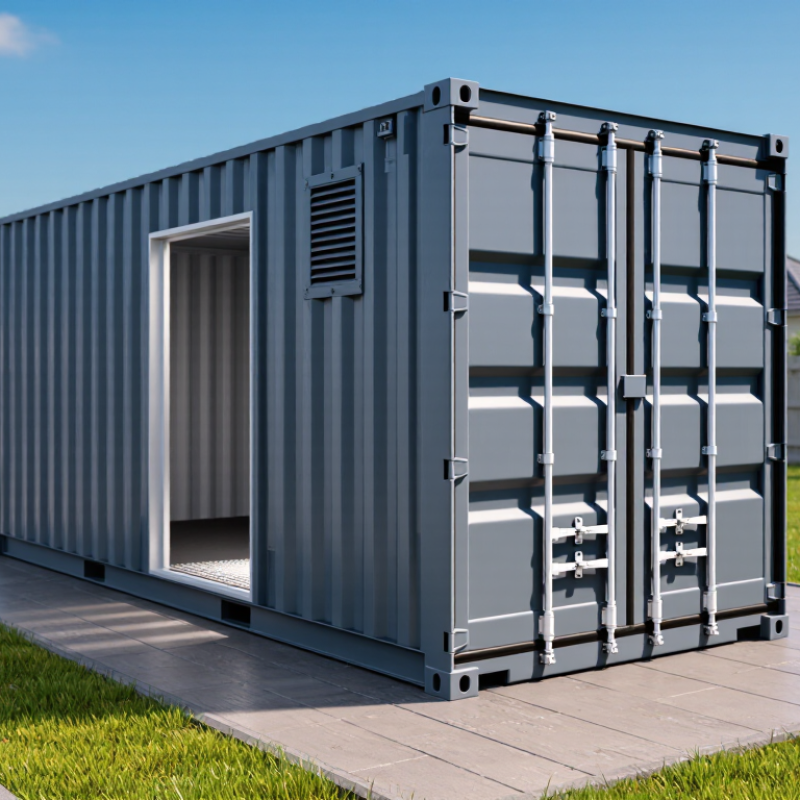
A standard 10-foot storage container usually measures about 10 x 8 x 8.5 feet externally. These dimensions describe the outside frame, not usable storage space. Interior walls, floor rails, and door hardware reduce the actual capacity. In practical site checks, I allow several inches around stored items for safer loading and ventilation. A ten-foot unit can hold garden tools, boxed furniture, seasonal equipment, and compact workshop materials. However, large sofas or tall cabinets may require careful positioning. Measure every item first. Guessing creates expensive frustration.

Tips:

Check the full delivery route before ordering. Measure gates, turns, overhead branches, and the final placement area. Keep at least a small working gap around the container. A level, firm base helps doors open smoothly and reduces floor stress. Ask for exact internal dimensions, door width, and threshold height. External measurements alone are incomplete.

The best option depends on access, security needs, and how often you need the contents. Double doors can simplify loading, especially for bulky boxes. Ventilation openings may help limit condensation, but they cannot fix wet belongings stored inside. I once underestimated the space needed for a narrow turning area. That assumption was wrong. Draw the container footprint on the ground with tape before delivery. This simple test reveals blocked paths and awkward door positions. Also consider future access, because tightly packed storage becomes difficult to manage. A slightly emptier unit may prove more useful than maximum packing.

Assess Steel Construction, Weatherproofing, Ventilation, and CSC Standards

In 2026, the best 10-foot storage container should be judged by construction, not paint or attractive photos. A dependable unit uses corrosion-resistant steel with strong corner posts and reinforced door frames. I inspect the floor closely, because damaged timber or uneven panels can reveal poor maintenance. The doors should close evenly, without forcing the locking bars.

Weatherproofing begins with intact roof seams, flexible door gaskets, and clean drainage paths. Water often enters through small gaps around the doors. A raised placement prevents standing water from attacking the underside. Ventilation matters too. Passive vents on opposite walls help reduce condensation, especially when temperature changes create moisture on the steel interior. However, vents cannot replace dry loading practices. Wet cardboard can still produce mold and unpleasant odors.

CSC standards require careful attention when transport approval matters. A valid CSC safety approval plate confirms that the container meets recognized structural requirements for international shipping. It does not guarantee complete waterproofing, ventilation, or suitability for every storage site. Check the plate, inspection markings, and supporting documents before purchase. Local placement rules may also require separate approval. I once underestimated condensation in a well-built steel container. That mistake changed my inspection routine: I now check roof seams after rain and look for rust beneath the floor. A strong shell is only part of dependable storage.

What Is the Best 10-Foot Storage Container in 2026?

A practical evaluation benchmark for steel construction, weatherproofing, ventilation, and CSC readiness.

The benchmark gives the greatest weight to structural steel quality and weather resistance because these directly affect service life and cargo protection. Ventilation helps reduce condensation, while CSC readiness is important when the container may be transported internationally. CSC compliance must always be verified through the container's current approval plate and inspection documentation.

Evaluate Payload Ratings, Door Security, Flooring, and Internal Usable Space

A good 10-foot storage container should be judged by usable capacity, not advertised size alone.

External dimensions include steel walls and corner fittings. Measure the interior length, width, height, and door opening before purchase. A small difference can prevent a hand truck from entering. Leave walking clearance around stacked boxes, because every inch matters in a compact unit.

Payload ratings require careful reading.

The rating should describe cargo weight, not the container’s total gross weight. Compare it with your shelving, tools, moisture protection, and planned contents. A reinforced floor may support heavy equipment, but weak ground can still cause uneven loading. Use solid, level supports beneath the corner areas. I would avoid placing a dense load against one wall. It seems efficient, but it can strain the frame and make access awkward.

Door security is more than a strong padlock.

Look for a recessed lock box, protected hinges, sturdy locking bars, and a door seal that closes evenly. Check for daylight around the frame. Flooring also deserves inspection: marine-grade plywood, raised steel supports, and a dry underside are practical signs of durability. Some floors look clean while hiding soft spots near the entrance. That deserves another check. Internal space should match real handling needs, not just cubic measurements. A container filled to the ceiling may hold more, yet become nearly unusable when one small item falls behind the first row.

Rank Delivered Cost, Rental Terms, Site Access, and Long-Term Value

What Is the Best 10 Foot Storage Container in 2026?

The best 10 foot storage container depends on delivered cost, rental terms, site access, and future use. A low monthly price can hide delivery fees, pickup charges, or minimum rental periods. Request a written quote covering transport, placement, taxes, damage deposits, and removal. Measure the storage area carefully. A ten-foot unit still needs extra clearance for delivery equipment and door opening.

Tips: Check the route before ordering. Look for narrow gates, low branches, soft ground, and steep slopes. Ask whether the driver needs a paved surface or can place the unit on prepared gravel. Take photos of the site first. They can prevent disagreements later. My first estimate was too optimistic because I ignored turning space near a fence.

Rental terms matter when storage needs change. Flexible month-to-month agreements may cost more, but they reduce commitment risk. Longer contracts can lower the monthly rate, although early removal fees may reduce that benefit. Inspect the container before loading it. The doors should seal evenly, the floor should feel solid, and ventilation should be present. For long-term value, compare total ownership or rental cost over twelve, twenty-four, and thirty-six months. Consider repainting, maintenance, insurance, and eventual resale only when those figures are realistic. A cheaper unit is not always cheaper.