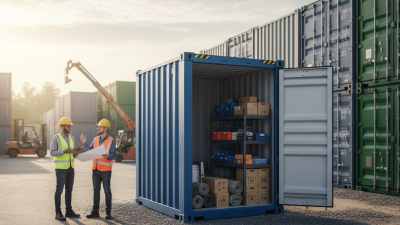
Buying a 6ft shipping container looks simple until measurements, condition, and delivery costs begin to matter. A compact container can suit garden storage, equipment protection, or a small workshop. However, its limited floor space demands careful planning before payment.
This guide presents seven practical buying tips based on common container inspection and purchasing considerations. You will learn how to confirm internal dimensions, inspect door seals, assess corrosion, and verify floor strength. Check the container’s exact measurements, not only the advertised size. A few missing centimeters can affect shelving, tools, or access.
Condition matters more than glossy photographs. Look closely at roof panels, corner posts, hinges, and locking bars. Fresh paint may hide repairs. Ask for recent images from several angles. Better still, inspect the unit personally or use a trusted local inspector. That small cost may prevent an expensive mistake.
Delivery also deserves attention. A 6ft shipping container still needs suitable access for the transport vehicle. Measure gates, turning areas, overhead branches, and the final placement surface. A level concrete pad or compacted base can reduce movement and standing water. Do not assume every supplier includes unloading, positioning, or site preparation.
Prices can appear attractive until transport and modifications are added. Compare complete quotations carefully. Ask about warranty terms, delivery timing, ventilation options, and lock compatibility. I have seen buyers focus on appearance and overlook practical access. That decision often becomes frustrating later.
These seven tips will help you compare suppliers with clearer expectations. Recheck every detail before committing. Small containers leave little room for poor decisions.
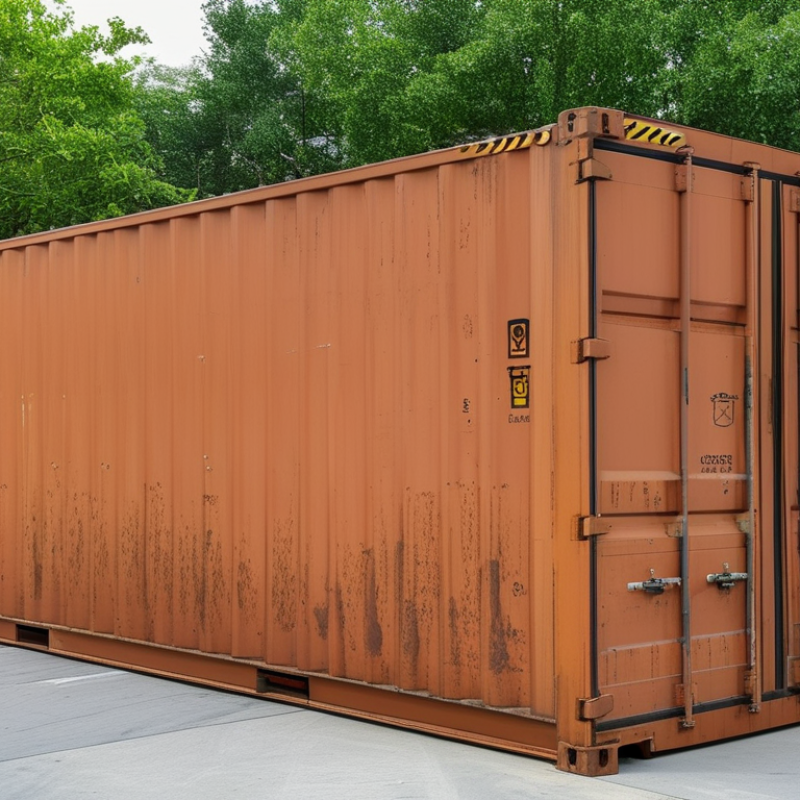
A 6ft shipping container is not simply a shortened ISO container.
ISO 668:2020 defines common freight-container dimensions, including a 20ft unit measuring 6,058mm long, 2,438mm wide, and 2,591mm high externally. A 6ft unit is roughly 1,829mm long, or only about 30% of that length. Its frame, corner fittings, doors, and insulation can reduce usable space further.
Before buying, check both external and internal dimensions. A tape measure should confirm floor length, doorway width, roof height, and the position of structural ribs. A small workshop may need room for shelving, ventilation, or a pallet jack. These details often matter more than the advertised cubic capacity. Six feet of external length does not mean six feet of clear storage.
Capacity also means payload, not just volume.
The 2024 UNCTAD Review of Maritime Transport reported global container port throughput exceeding 850 million TEU in 2023, showing how strongly standardized equipment supports modern logistics. A compact 6ft unit may not share the same certification, stacking strength, or handling points. Ask for its maximum gross mass, tare weight, floor rating, and lifting method.
Some sellers describe “container” too loosely. That can create an expensive mismatch. My own buying rule would be simple: treat the specification sheet as a starting point, then verify every measurement on the actual unit.
6ft Shipping Container 7 Buying Tips
A 6ft container is often a modified unit, not a miniature ISO box. Check the manufacturer’s data sheet carefully. Tip one: confirm external and internal dimensions. Tip two: verify tare weight, maximum gross mass, and usable payload. Tip three: request the floor’s distributed load and point-load ratings. ISO 1496-1 covers container strength tests, but a small custom unit may not match standard cargo ratings. Never trust appearance alone.
Tip four: identify the steel grade. Corten, or weathering steel, still develops rust in wet conditions. Inspect lower rails, corner castings, door frames, welds, and roof seams. Deep pitting matters. Tip five: examine the floor from underneath. Look for swollen plywood, soft areas, broken fasteners, and standing-water stains. Tip six: ask whether the floor rating applies to storage, forklift traffic, or suspended loads. These uses are not equal. Tip seven: obtain inspection photos, production date, repair history, and written warranty terms.
UNCTAD recorded roughly 858 million TEUs of global container port throughput in 2023, showing how heavily container equipment is used. That figure does not prove a small unit is durable. The World Steel Association reported about 1.89 billion tonnes of crude steel production in 2023, yet steel quality still varies by specification and workmanship. A cheaper container can hide expensive repairs. I would also measure door clearance personally. Manufacturer drawings can be correct, but real sites are rarely level.
| Tip | Buying Dimension | What to Inspect | Manufacturer Data to Request | Practical Check |
|---|---|---|---|---|
| 1 | Confirm the actual 6ft dimensions | A 6ft container is usually a shortened or purpose-built unit rather than a universal standard size. Check the external length, width, height, internal length, internal width, internal height, door opening, and corner-post clearances. | Dimensioned drawing showing nominal external dimensions and usable internal dimensions. A common standard-height container is approximately 8ft wide and 8ft 6in high, but the 6ft length and all clearances must be confirmed for the specific unit. | Measure the planned cargo, access route, foundation, and lifting space before ordering. |
| 2 | Inspect the Corten steel shell | Look for perforation, deep corrosion, buckled panels, damaged corner posts, cracked welds, and water-trap areas. Corten weathering steel develops a protective oxide layer, but standing water, salt exposure, and mechanical damage can still cause corrosion. | Steel grade or material description, panel thickness where specified, coating system, repair history, and corrosion inspection report or photographs. | Reject units with holes, active flaking corrosion, distorted structural members, or repairs that are not documented. |
| 3 | Verify the floor construction | Check for soft spots, delamination, broken boards, oil contamination, fungal decay, missing fasteners, and uneven transitions at the door. Many containers use heavy-duty plywood over steel floor cross-members, but construction varies. | Flooring material, board thickness, treatment or certification, permitted distributed load, permitted point load, floor-support spacing, and replacement specification. | Use a moisture-resistant, load-rated repair specification; do not rely only on a visual “good condition” statement. |
| 4 | Check gross weight and payload | Separate the container’s tare weight from its maximum gross weight. Payload is calculated as maximum gross weight minus tare weight, and the lowest applicable limit may be imposed by the floor, lifting equipment, site, or transport regulations. | Tare weight, maximum gross weight, rated payload, axle or lifting limits if applicable, and the method used to determine each rating. Do not substitute a rating from a longer container. | Confirm that cargo weight, pallets, shelving, moisture, and handling equipment remain below the stated payload. |
| 5 | Test doors, seals, and ventilation | Doors should open without binding, close squarely, and engage all locking rods. Inspect gaskets for tears and gaps, and verify that vents are unobstructed. A weather-resistant container is not automatically airtight or temperature-controlled. | Door type, clear opening, gasket specification, locking-hardware condition, vent count and location, and any air-leak or water-ingress test results. | Perform a daylight, hose, and door-operation inspection when safe; record any leaks before acceptance. |
| 6 | Review lifting and structural data | Inspect corner castings, corner posts, top and bottom rails, and welds for deformation. A container designed for storage may not have the same lifting, stacking, or transport capability as a certified freight container. | Approved lifting points, lifting method, stacking or racking limits, support-point requirements, center-of-gravity information, and engineering drawings for modified units. | Never lift from roof panels or improvised attachments; use only the documented lifting points and equipment. |
| 7 | Confirm compliance and modifications | Check whether the unit is intended for international transport, domestic storage, conversion, or permanent installation. Cut-outs, added doors, windows, insulation, electrical systems, and paint can change structural and fire-safety performance. | Identification plate, manufacturing date, inspection status, applicable transport certification, modification drawings, electrical documentation, fire rating information, and warranty terms. | Match the paperwork to the container identification markings and obtain local approval for foundations, electrical work, and permanent use where required. |
Note: Dimensions, materials, capacities, and certification status vary by manufacturer, production year, and modification history. Use the individual unit’s data plate and engineering documents as the controlling reference.
6ft Shipping Container 7 Buying Tips
A 6ft container may look simple, but its small size can hide serious inspection issues. Check the CSC safety plate first. Confirm the identification number, manufacturer details, maximum gross weight, and examination date. The IMO’s International Convention for Safe Containers requires approved units to carry clear safety information. Do not assume a compact container is automatically CSC compliant. Ask for inspection records and ACEP details where applicable.
Inspect the doors in daylight. The rubber seals should remain flexible and sit evenly against the frame. Check for gaps, cracked corners, and rust beneath the seal. Close both doors and look for visible light. Then test the door bars several times. Inspect the ventilation openings from inside and outside. They should remain open, dry, and free from blocked mesh. A basic hose test can reveal leaks, but it cannot replace a professional inspection. One missed gasket can ruin an otherwise good purchase. Examine the lockbox welds, steel thickness, and alignment. Fit your intended lock before delivery.
The World Shipping Council’s 2024 report recorded 221 containers lost at sea in 2023, representing about 0.0002% of shipped containers. That figure is low, but it supports careful structural checks. UNCTAD’s Review of Maritime Transport reports that over 80% of global merchandise trade moves by sea. Shipping equipment faces harsh handling. I would also inspect the floor for soft spots and chemical odors. A fresh repaint can look convincing. It may also conceal corrosion. My judgment is not perfect, so uncertain welds or missing documents deserve a second inspection.
Check CSC status, door seals, ventilation, and lockbox security before purchase.
The chart groups seven practical pre-purchase checks into four inspection areas. CSC verification covers the safety plate, validity details, and visible structural information; door, ventilation, and lockbox checks focus on physical condition and operation. These are checklist counts, not failure-rate statistics.
Plan delivery before ordering a 6ft shipping container. Measure the entrance, driveway, turning area, and final placement zone. A narrow gate may look suitable, but the delivery vehicle still needs room to swing. Keep branches, balconies, wires, and parked cars away from the route. Ask the supplier for the vehicle’s exact width and delivery requirements. Small errors become expensive quickly.
Crane reach matters when the container must travel over a fence, wall, or building. Confirm the required reach from the truck’s setup point to the foundation. Longer lifts may reduce the safe weight the crane can handle. Ask for the container’s loaded weight, lifting method, and minimum overhead clearance. Do not rely on a rough phone estimate. I once underestimated turning space on a compact site. The container arrived, but repositioning it was awkward and costly.
Ground load deserves equal attention. Soft soil, paving, and old slabs may settle under concentrated corner loads. Use a level, stable base designed for the container’s weight. A qualified local professional can assess drainage and bearing conditions. Also check local permits, access rules, and placement restrictions before delivery. Requirements can differ between nearby districts. Written confirmation is safer than an assumption. Allow extra time for approval, because delivery dates may change.
A 6ft shipping container is compact, but its total cost is rarely small. Compare a new unit with a used one by checking steel condition, floor strength, door alignment, and internal dimensions. “New” may mean a newly manufactured container, while “used” can range from cargo-worthy to heavily repaired. Ask for dated inspection photos and a written condition grade. The Institute of International Container Lessors recommends close checks of corner posts, door hardware, seals, and flooring. These details matter more than fresh paint.
Tip: Request three delivered quotes. Include transport, unloading equipment, site access, ground preparation, taxes, and modifications. Warranty length is not enough. Read what it excludes, especially leaks, corrosion, flooring, and labor. A short warranty with clear coverage may outperform a longer warranty full of exceptions.
UNCTAD’s Review of Maritime Transport 2024 reported that containerized trade contracted by about 0.7% in 2023, while container ship capacity grew by roughly 8.5%. That imbalance can influence used-container availability and regional prices. Still, local depot stock often matters more than global statistics.
A low purchase price can become expensive after a difficult delivery route or crane hire. One practical mistake is comparing only the container invoice. Recheck the quote after measuring driveway width, turning space, and placement height.
A six-foot unit may also be modified, so confirm whether it has valid inspection records and suitable structural certification. Total cost needs one more review.