What is a 10ft container and how to choose one?
A 10ft container is a versatile and compact shipping solution. Ideal for small businesses and personal projects, it provides a practical option for transporting goods. Understanding its specifications and uses is crucial for making an informed decision.
When selecting a 10ft container, consider your specific needs. Think about the type of items you plan to store or ship. Is there enough space? The internal dimensions are important, as they dictate how much can fit. Additionally, it is wise to check the container’s condition. A used container may have hidden issues that could affect its durability.
Choosing the right container requires research and expertise. Trusted suppliers can help guide you in this process. Reflecting on your requirements is essential. This choice may impact your business's operations and logistics. Ultimately, a well-chosen 10ft container can significantly enhance efficiency in transporting goods.
What is a 10ft Container: Definition and Specifications
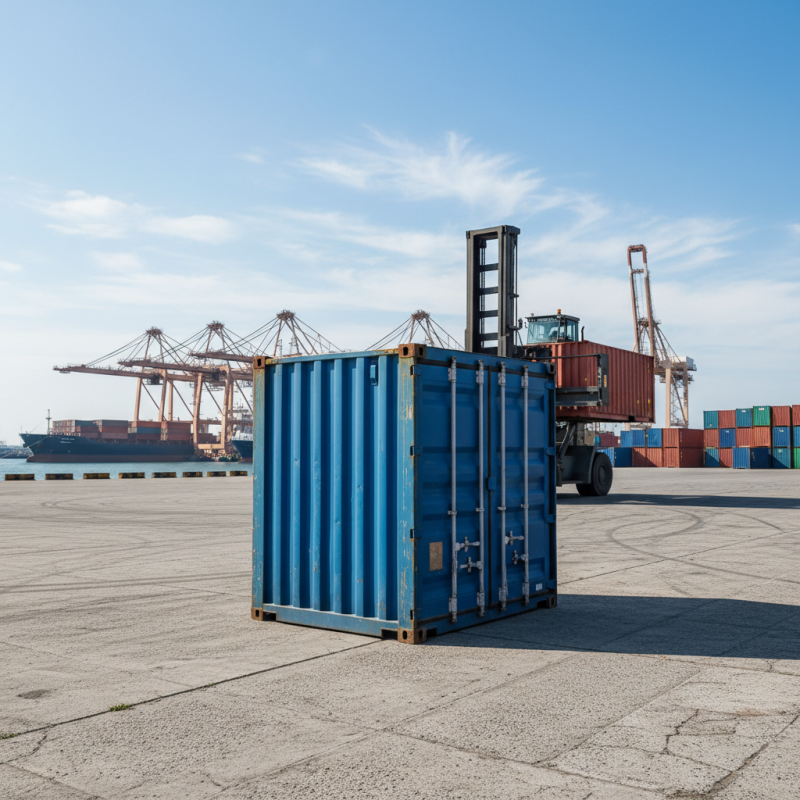
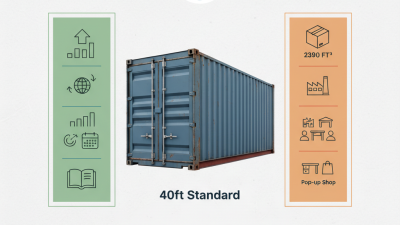
A 10ft container is a compact shipping option suited for various needs. These containers measure approximately 3 meters in length, 2.4 meters in width, and 2.6 meters in height. They offer about 15 cubic meters of storage space. This size is ideal for smaller shipments or limited storage requirements, making it a popular choice among small businesses and individuals.
According to the International Maritime Organization (IMO), shipping containers have seen a growing demand, with 10ft containers making up about 5% of the global container fleet. Their smaller size can ease logistical challenges, especially in urban environments where space is tight. However, the selection process can raise questions. Not all goods may fit, and weight limits are critical. A 10ft container typically has a maximum payload capacity of around 3,500 kg. Therefore, weighing your cargo is essential to avoid overloading.
When deciding on a 10ft container, evaluate your specific needs. Consider dimensions carefully to ensure it meets your requirements. Storage solutions can vary significantly. A container may seem adequate at first glance but can become inadequate if not assessed properly. Regular inspections are crucial for maintaining container integrity. Keep in mind that the choice of a container directly affects shipping costs and logistics efficiency.
Common Uses and Applications of 10ft Containers
10ft containers offer versatile solutions for various uses. Small yet practical, they are ideal for transporting goods or providing storage. Many businesses utilize them for temporary onsite storage. Construction sites often benefit from these containers for storing tools and materials securely. Their compact size makes them an excellent choice for urban areas where space is limited.
Consider your specific needs when choosing a 10ft container. Will it hold equipment or merchandise? Think about durability and accessibility. Ventilation might be vital for items sensitive to temperature and humidity. Ensure the container suits your purpose precisely. This attention to detail can minimize costs and issues.
Tips: Always inspect the container before purchase. Look for signs of rust or damage. Make sure it meets your requirements. Understand the transportation options available. Explore the cost differences between new and used containers. This knowledge can guide your decision effectively.
Common Uses of 10ft Containers
This bar chart illustrates the various common uses of 10ft containers based on data collected from industry usage statistics.
Factors to Consider When Choosing a 10ft Container
When choosing a 10ft container, several factors come into play. Assess your storage needs carefully. Consider the items you plan to store. Large furniture or bulky equipment will require different specifications than standard boxes.
Another key aspect is the condition of the container. New containers might seem ideal but can be costly. Used containers, though more affordable, may need repairs. Check for rust, structural damages, or leaks. This inspection will save you from future headaches.
Tips: Always measure your access points before delivery. Think about your future storage needs. Perhaps a more versatile size may be better long-term.
Lastly, budget is crucial. Set a realistic budget that includes delivery and any additional costs. Don't rush into a decision based on price alone. The value of a reliable container can outweigh immediate savings. Keep these considerations in mind, and make a choice that aligns well with your needs and situation.
Different Types of 10ft Containers Available in the Market
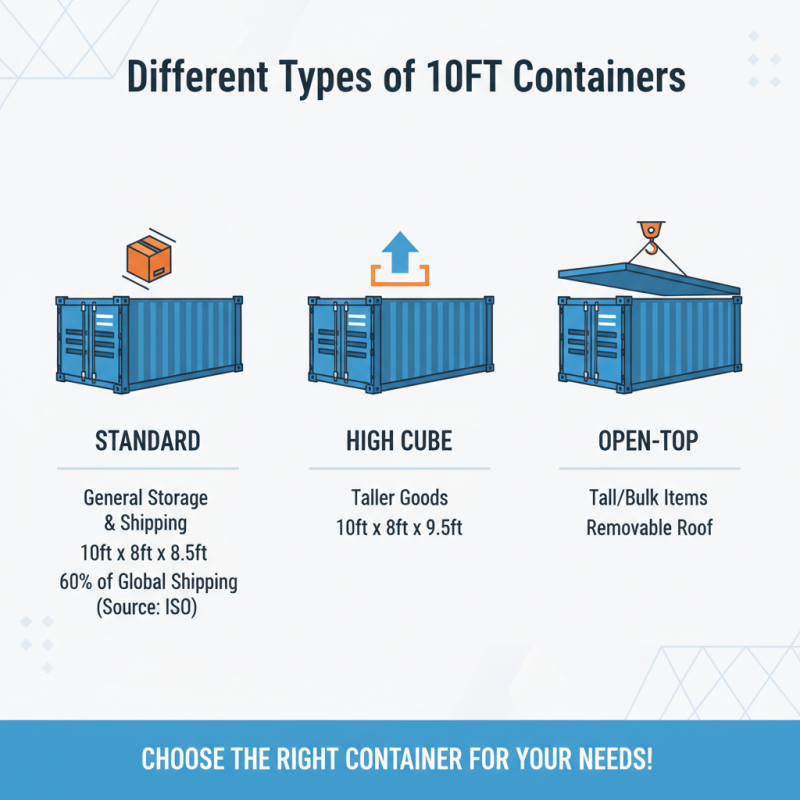
When selecting a 10ft container, understanding the types available is crucial. Generally, there are standard, high cube, and open-top containers. Standard containers are widely used for general storage and shipping needs. They are 10ft long, 8ft wide, and 8.5ft high, providing a reliable volume for various goods. Data from the International Organization for Standardization indicates that standard containers are used in about 60% of global shipping operations.
High cube containers offer an extra foot in height. This additional space can be pivotal for bulky items or when stacking goods. According to a report by Statista, the demand for high cube containers has surged by 12% over the past five years. This trend highlights their growing importance in shipping logistics.
Open-top containers, meanwhile, cater to oversized cargo. The removable top allows for easy loading of tall items. These containers account for approximately 15% of the market, according to the United Nations Conference on Trade and Development. Choosing the right type of container affects both logistical efficiency and cost. Matching the container type to your specific needs is essential for optimal shipping performance.
Tips for Renting or Purchasing a 10ft Container
When considering a 10ft container, think about your storage needs carefully. These containers are versatile and ideal for small-scale storage or moving. Before renting or purchasing, assess your requirements. Make sure the space inside fits what you plan to store or transport.
Here are some tips for renting or purchasing a 10ft container. First, check the condition of the container. Look for rust, dents, or leaks. A well-maintained container will last longer. Second, consider your location. Delivery charges may vary significantly based on where you are.
Additionally, compare prices from different suppliers. Don't rush this process. Take your time to think about your options. Sometimes, the cheapest option isn't the best in terms of quality. Reflect on your choice and ensure it meets your needs efficiently. A good choice will save you money and hassle down the road.