What Is the Best 10ft Shipping Container in 2026?

What Is the Best 10ft Shipping Container in 2026?

Choosing the best 10ft shipping container requires more than comparing prices. Buyers must examine construction, weather resistance, transport limits, and internal usability. A cheap unit may look attractive online, yet hidden corrosion can weaken its floor and door frame. That detail matters.

John Fossey, a respected container equipment analyst, has emphasized a practical principle: “A container’s value depends on its condition, specification, and supply chain.” This idea remains relevant in 2026. A reliable 10ft shipping container should have sound corner castings, properly sealed doors, a strong marine-grade floor, and visible inspection records. The paint may be scratched. That is not always serious. Structural damage is different.

This guide compares the features that genuinely affect performance. It considers new, used, and one-trip containers without assuming that one category suits every buyer. Storage for garden tools needs different priorities than a compact workshop or business inventory room. Internal height, ventilation, locking systems, delivery access, and local ground conditions all deserve attention. A narrow driveway can make delivery surprisingly difficult.

Some recommendations may remain imperfect. Product availability changes by region, and supplier descriptions are not always consistent. Measurements can also vary slightly between manufacturers. Buyers should verify specifications before ordering. The strongest choice is not necessarily the newest container or the lowest-priced model. It is the unit that matches its intended use, delivery conditions, maintenance expectations, and realistic budget.
What Is the Best 10ft Shipping Container in 2026?

10ft Shipping Container Types and Their Main Uses

What Is the Best 10ft Shipping Container in 2026?

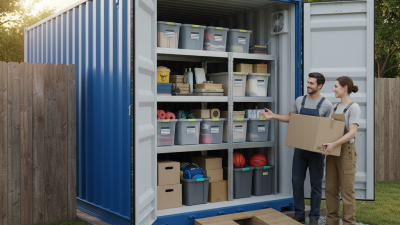
The best 10ft shipping container depends on the worksite, cargo, and access conditions. A standard dry container suits tools, spare parts, furniture, and seasonal stock. Its steel walls protect contents from rain, while locking doors improve basic security. However, condensation can damage paper goods and untreated metal. Ventilation and moisture control matter more than many buyers expect.

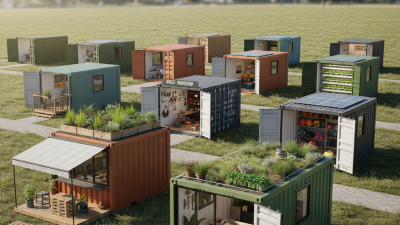
A high-cube 10ft container offers extra interior height for shelving, tall equipment, or workshop lighting. It works well where floor space is limited. An open-side model provides wider access for bulky materials and frequent loading. For temperature-sensitive goods, a refrigerated container may be suitable, but it needs reliable power and regular temperature checks. A workshop conversion can include lighting, benches, insulation, and cable routing. Keep electrical work professionally inspected.

Flat-rack units are useful for oversized machinery, pipes, or construction components. They are not a secure enclosed store. Choosing one for general storage would be a poor fit. In practical inspections, condition often matters more than container type. Check door seals, corner posts, floor strength, rust, and previous repairs. A repaired unit may look clean but still have weakened sections. Measure the available route carefully; a 10ft container still needs turning space and a firm, level base. Payload limits vary by design and condition. Local transport and placement rules should also be confirmed before purchase.

Key Specifications to Compare in 2026

What Is the Best 10ft Shipping Container in 2026?

Key Specifications to Compare in 2026

A strong 10ft shipping container starts with accurate dimensions, not attractive photos. Check external length, width, and height, then compare the usable internal space. A standard unit may offer roughly 7–8 cubic metres, but wall thickness and door framing reduce practical capacity. Measure your largest item before ordering. I learned this after a shelving plan left less walking space than expected.

Payload and tare weight deserve careful attention. Tare weight shows the empty container’s mass, while payload indicates the permitted cargo weight. Ask for documented ratings, not sales estimates. Inspect the floor material, support spacing, and maximum point load. Heavy machinery can damage weak flooring, even when the total load seems acceptable. Confirm the container’s corner castings and lifting points can support the planned handling method.

Steel condition is equally important in 2026. Look for weather-resistant coating, sealed roof seams, functioning door gaskets, and ventilation openings. A small roof dent can become a serious leak after repeated rain. Door hinges should move smoothly, and locking bars should close without force. Request recent inspection photos, serial details, and certification records where applicable. Insulation, lighting, and electrical fittings should be treated as separate specifications. They are not automatically included. My own comparison missed delivery access, too; a narrow driveway can make an excellent container unusable. Check turning space, ground strength, and unloading equipment before paying.

How to Evaluate Build Quality, Security, and Weather Resistance

What Is the Best 10ft Shipping Container in 2026?

A strong 10ft shipping container should feel rigid before you measure anything. During inspections, I check the corner posts, door frame, roof seams, and underside rails. Uneven welds, rippled panels, or fresh paint over rust deserve closer attention. Steel thickness matters, but consistent construction matters more. Ask for inspection records, repair history, and clear photographs of hidden areas. A container may look excellent outside and still carry corrosion beneath its floor.

Security depends on structure, not only on a lock. Choose doors that close squarely, with protected hinges and a reinforced locking area. Test the handles several times. They should move smoothly without excessive play. A sound floor should resist soft spots and must not release strong chemical odors. Weather resistance also requires intact door gaskets, sealed roof joints, and drainage that does not collect water around the base. In my experience, small roof defects become expensive after repeated freeze-thaw cycles. I still recheck them. I have missed minor seam damage before.

Tips: Visit the container after rain if possible. Look for daylight around closed doors. Place a straightedge against long panels to spot unusual bows. Confirm internal dimensions, ventilation options, and delivery access before purchase. Do not rely on photographs alone. A second inspection is sometimes worth more than a lower price. Salt-air locations need more frequent corrosion checks, even when the coating appears sound.

Best 10ft Container Features for Different Applications

In 2026, the best 10ft shipping container depends on its intended application. A well-built unit should use weather-resistant steel, reinforced corner posts, and a reliable double-door system. Check the door seals carefully. Poor seals can allow rain, dust, and condensation inside. A marine-grade plywood floor helps protect stored equipment, while lockable handles improve everyday security. Certified lifting points also matter when the container must be moved safely between sites.

For tools, spare parts, or garden equipment, ventilation is essential. Two screened vents can reduce trapped heat and moisture, especially in sunny locations. A raised floor or solid foundation prevents water from collecting underneath. For a temporary workshop, choose internal lighting, electrical access, and insulation with a suitable fire rating. Compact dimensions are useful here, but narrow access may limit shelving and large machinery. Measure every doorway before ordering.

A 10ft container used for archives needs tighter temperature control and cleaner interior panels. For retail storage, bright lighting and easy access may matter more than insulation. I have found that door alignment often reveals build quality better than painted surfaces. Inspect the hinges, welds, floor edges, and roof during delivery. No container is perfect. Even a strong unit may need extra drainage or ventilation after installation. Buyers should also confirm weight limits, lifting procedures, and local placement requirements before use.

What Is the Best 10ft Shipping Container in 2026?

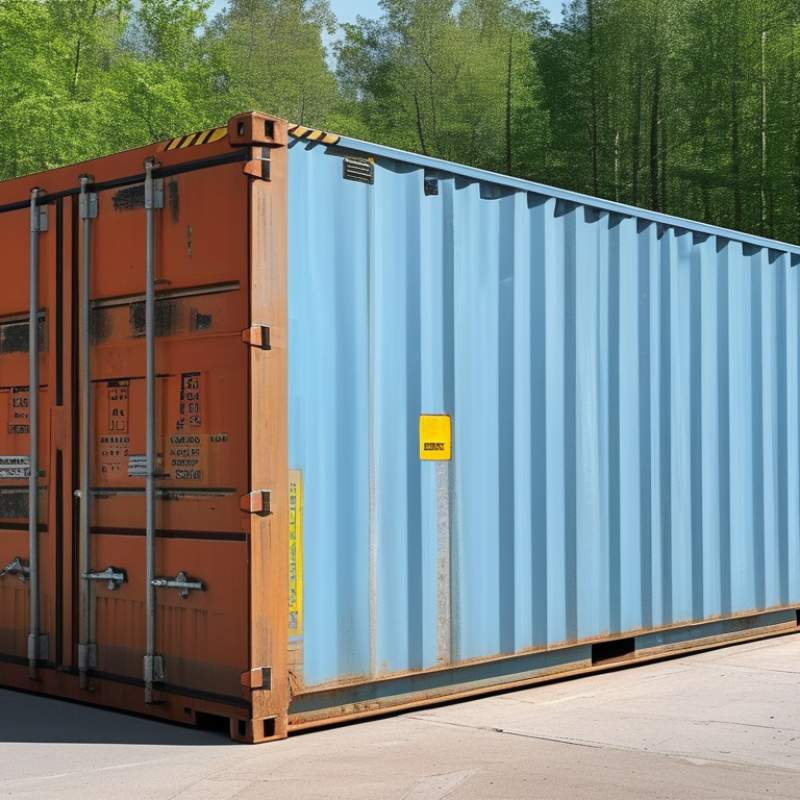
Typical 10ft container dimensions for storage, construction sites, workshops, and compact transport applications.

A standard 10ft container is approximately 3.048 m long, 2.438 m wide, and 2.591 m high externally. Typical internal dimensions are about 2.84 m × 2.35 m × 2.39 m, providing roughly 15.9 m³ of usable cargo volume. Exact internal dimensions, payload, door configuration, and insulation options vary by container design and condition.

Buying, Delivery, Modification, and Maintenance Considerations

What Is the Best 10ft Shipping Container in 2026?

Buying a 10ft shipping container requires more than checking the lowest price. A reliable unit should have straight corner posts, a dry interior, and doors that close evenly. Inspect the roof from several angles. Small dents can hold water and create rust. Ask for the manufacturing year, previous use, floor condition, and wind-and-watertight inspection details. A fresh-looking paint job can hide problems. Measure everything twice.

Delivery often decides whether the purchase feels successful. Confirm the loaded weight, truck clearance, turning space, and unloading method before payment. The ground should be level, compact, and able to support the container without sinking. Leave airflow beneath the floor when possible. I have seen containers delivered to sites with narrow gates, forcing expensive repositioning. A simple site visit could have prevented that mistake.

Modification plans should match the container’s structural limits and local approval requirements. Cutting large openings may require reinforced framing, professional welding, and ventilation planning. Insulation, electrical work, lighting, and shelving should be installed by qualified tradespeople. Maintenance is modest but consistent: clear roof debris, lubricate hinges, inspect door seals, and remove surface rust early. Check the floor after heavy rain. Even experienced buyers sometimes underestimate condensation. A small vent or poor airflow can damage stored materials within weeks. Review the container every few months, especially after storms, relocation, or major modifications.