How to Choose a 10ft Shipping Container?
Choosing a 10ft shipping container starts with more than measuring the space available. Its compact footprint can suit a small workshop, garden storage area, or job site, but usable capacity depends on the container’s actual dimensions and layout. Ask the supplier for current external and internal measurements, including door-opening width and height. A bulky mower or shelving unit may fit inside yet prove difficult to move through the doors.
Think about what you will store and how often you need access. Tools used every day call for clear floor space, while seasonal equipment may need only dry, secure storage. Check the floor, door seals, locking points, and visible signs of corrosion before purchase. For a used unit, request recent photographs or inspect it in person when practical. Condition can vary, even between containers of the same advertised grade.
Small details matter. Confirm that the delivery vehicle can reach the placement area and that the ground is firm and level. Ask how ventilation, condensation, and drainage may affect the items you plan to store; a steel container can become damp inside under some conditions. Specifications and available options differ by supplier, so compare written details rather than relying on a listing title alone. A 10ft shipping container is not the right choice for every storage need, and that is worth considering. The sections ahead explain how to assess size, condition, access, delivery, and features before choosing a unit.
Determine Your Storage or Transport Requirements
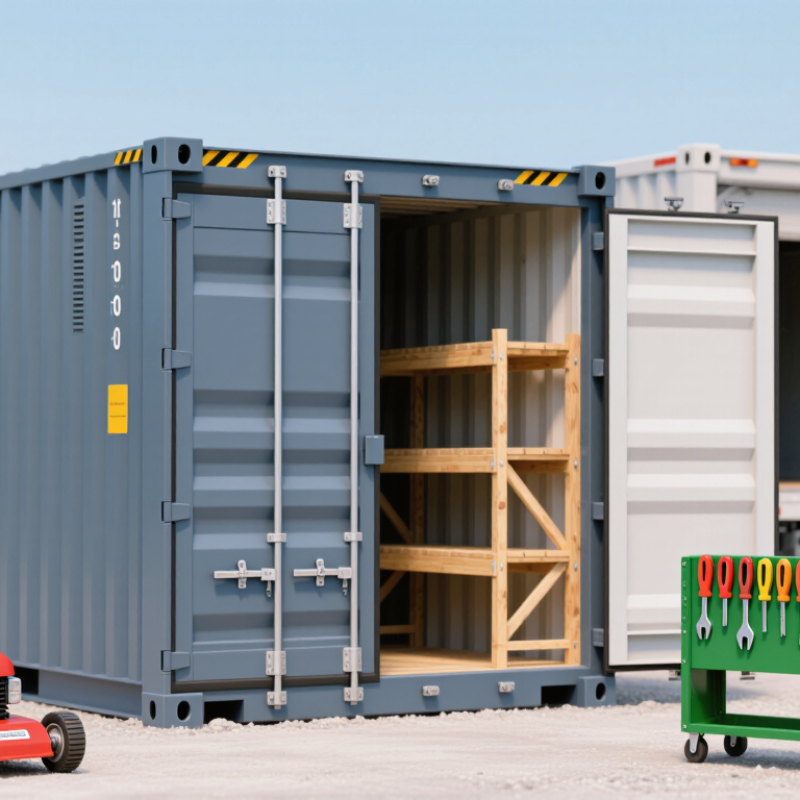
Choose a 10ft container around what it must hold and how it will reach the site. List each item’s dimensions, weight, and handling needs. Then compare the loaded plan with the container’s internal dimensions, door opening, payload rating, and floor condition. Specifications vary by model, so verify the actual unit before purchase or hire. Measure twice. A pallet that fits inside may still be too wide for the doorway.
For storage, check the ground is level and firm, and leave room to open the doors fully.
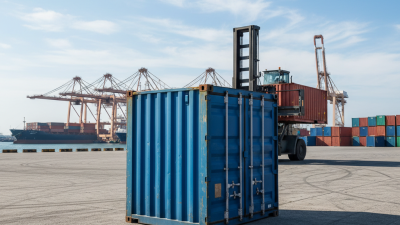
For transport, confirm the loaded container can be lifted and secured using the equipment and vehicle available. A 10ft unit may not suit every carrier’s standard handling setup.
UNCTAD’s Review of Maritime Transport 2024 reports that seaborne trade reached about 12.3 billion tonnes in 2023, underscoring how much cargo moves through complex transport networks. That figure does not guarantee a small container will be accepted on a particular route; ask the carrier directly.
ISO 668 sets dimensional and rating requirements for freight containers, but individual units still differ. That matters. One overlooked detail—such as a heavy machine concentrated near one end—can affect loading and balance. My own planning would leave a little spare capacity; it is easy to underestimate awkward shapes.
Compare 10ft Container Types, Dimensions, and Features
A 10ft shipping container is compact, but its usable space depends on the model. A standard unit often measures about 10 feet long, 8 feet wide, and 8 feet 6 inches high externally. Interior dimensions are smaller because of the walls and floor. Many offer roughly 9 feet 3 inches of interior length, but specifications vary. Measure bulky items and leave room for the doorway. Measure twice.
Standard steel containers suit tools, seasonal equipment, or a small work area. Their corrugated walls resist everyday knocks, while cargo doors provide broad access at one end. Check the floor for soft spots and inspect door seals for gaps. A lockbox can protect the padlock from direct tampering, though it does not make a container completely secure. Vents help reduce stale air, but they cannot control temperature or condensation.
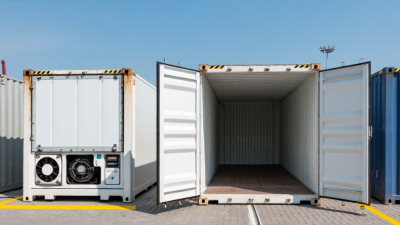
Insulated versions help buffer temperature changes, yet their thicker walls usually reduce interior space. Some suppliers offer modified units with windows, lighting, or shelving; these features can affect ventilation and loading access. High-cube 10ft models may be available, but availability and dimensions are not consistent everywhere. Ask for a drawing showing internal measurements, door opening, tare weight, and payload rating. One detail is easy to miss: check the ground clearance and delivery access before choosing a location. A precise fit on paper may still prove awkward in use.
Inspect the Container’s Condition and Construction
A 10ft shipping container is compact, so small defects can take up a meaningful amount of usable space. Inspect it in daylight, with the doors open and closed. Look along the roof and side panels for dents, rust holes, fresh paint patches, or uneven seams. Fresh paint is not automatically a problem, but it can hide repairs. Ask what was fixed and when.
Check the corner posts, bottom rails, and welds for bending or separation. These parts help the container stay square and support handling. Stand back and sight along each side; a visibly bowed wall deserves closer attention. Open and close both doors. They should move without force, meet evenly, and latch securely. Look at the seals for cracks or gaps, then check the floor for soft spots, splintering, or a strong damp smell. Small clues matter.
Construction details affect how well the unit suits your site. Confirm the stated dimensions, usable interior space, and floor material, especially if equipment must fit inside. A tape measure beats guessing. Take photos of questionable areas and ask for a written description of repairs or known defects. I would not rely on appearance alone; even a careful visual check can miss hidden damage. If a frame looks twisted or a floor feels unstable, have a qualified inspector assess it before purchase.
Check Site Access, Delivery, and Local Requirements
A 10ft shipping container may fit a small yard, but delivery still needs careful planning. Ask the supplier for the container’s exact dimensions and delivery vehicle requirements; sizes and unloading methods can vary. Measure gates, narrow turns, and the route from the road to the final spot. Check overhead branches and wires, too. A truck needs more clearance than the container itself. A few inches can matter.
Tips: Walk the route with a tape measure. Photograph tight corners and share the images before scheduling delivery. Leave extra room where possible; measuring only the container’s width is an easy mistake.
Check local rules before placing the container. Requirements may cover permits, property setbacks, drainage, or how long a unit can remain on site. Contact your local planning office or building department, and confirm any property or lease restrictions.
Prepare a firm, level surface, such as compacted gravel or suitable concrete, and make sure rainwater can drain away. I would recheck the placement area on delivery day; plans can overlook a soft patch or a newly parked vehicle. A clear route and confirmed requirements help avoid delays and repositioning costs.