Which 10ft Shipping Container Type Is Best in 2026?

A 10ft shipping container can look deceptively simple: a compact steel box, roughly three metres long, with two locking doors. But the best type in 2026 depends on what must fit inside, how it will be loaded, and where it will sit. A dry unit suits boxed goods and tools. An insulated or refrigerated model may suit temperature-sensitive cargo. Open-side designs can ease loading, but may cost more and require extra clearance.

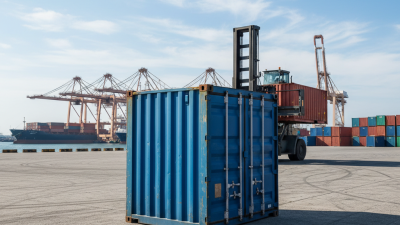
The scale of shipping matters. UNCTAD’s Review of Maritime Transport 2024 reports that more than 80% of world trade by volume moves by sea. UNCTAD Secretary-General Rebeca Grynspan has called maritime transport “the backbone of global trade.” That wider context makes dependable equipment important, even for a small container. Still, broad trade statistics cannot tell buyers which 10ft model fits their site. ISO 668 provides dimensional rules for freight containers, but buyers should check the actual unit’s external dimensions, door opening, payload, and condition before ordering.

Small details count. Measure the narrowest doorway, turning space, and floor area. Check the cargo’s height and weight, not just its volume. There is no universal winner. A refrigerated unit may solve one storage problem while adding power needs and maintenance. A dry container may be simpler, yet unsuitable for sensitive goods. This comparison weighs practical trade-offs rather than assuming one type is best for everyone. Some specifications vary by manufacturer, so the label alone is not enough.
Which 10ft Shipping Container Type Is Best in 2026?

Define a 10-ft Container: Typical External Dimensions of 2.99 × 2.44 × 2.59 m

A 10-ft shipping container is typically about 2.99 m long, 2.44 m wide, and 2.59 m high externally. That is roughly 9 ft 10 in by 8 ft by 8 ft 6 in. These measurements describe the outside, not the clear space available inside. Wall panels, corner posts, and the floor reduce usable dimensions. That difference matters when planning shelving, equipment, or a doorway approach.

For compact storage, the 10-ft format can fit where a longer unit may block access or dominate a small yard. Measure the intended pad and route carefully, including gates, overhead branches, and turning space for delivery. Interior sizes and door openings can vary by construction and condition, so confirm the specifications of the actual unit. I would not choose by the nominal length alone; a few centimeters can affect whether bulky items fit. It is an easy detail to overlook.

Tips: Measure your largest item first, then compare its dimensions with the container’s clear interior and door opening. Leave room to carry items in and out. Check the ground is level, too. A tape measure and a simple site sketch can prevent an awkward surprise.

Which 10-ft Shipping Container Type Is Best in 2026?

Typical external dimensions compared with approximate internal dimensions of a standard dry container

At a glance: A standard dry 10-ft container is a practical choice for general storage and transport. Its typical external dimensions are 2.99 × 2.44 × 2.59 m; internal dimensions are smaller because of the walls, floor, and roof. Internal measurements vary by construction, so confirm the unit’s specifications before planning a load.

Compare Dry, High-Cube, Reefer, Open-Top, and Side-Access Designs

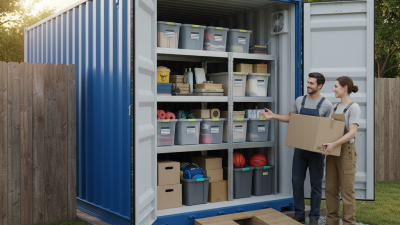
A 10ft dry container suits general storage when weather protection matters more than temperature control. Its compact footprint fits tight yards, but the short interior may limit pallet layout. Measure the actual door opening and floor length before planning a load. Dimensions can vary.

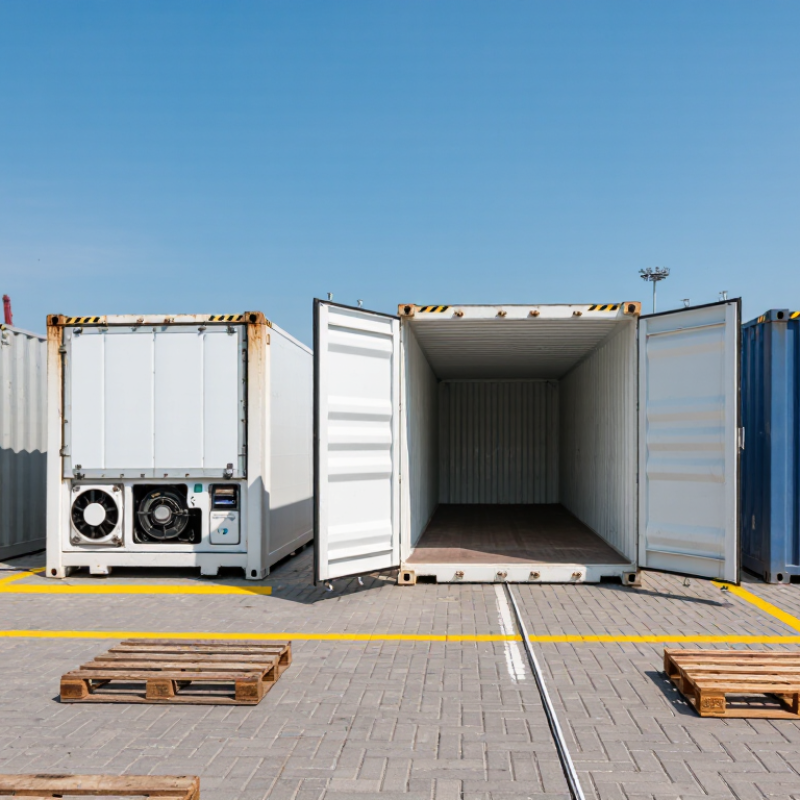
A high-cube design adds headroom, useful for taller equipment or stacked goods. In a 10ft unit, though, the extra height may not solve limited floor space. A reefer keeps goods within a controlled temperature range, but insulated walls reduce usable interior width. It also needs a reliable power supply. Power is essential.

Open-top containers allow loading from above, which can help when a crane handles bulky items. Check how the cover protects cargo from rain, and confirm lifting access on site. Side-access designs provide wider access along one side, making long items easier to position or retrieve. They need clearance beside the container, however. Before choosing, compare internal dimensions, door openings, floor condition, and site access. Small differences matter.

Which 10ft Shipping Container Type Is Best in 2026? Compare Dry, High-Cube, Reefer, Open-Top, and Side-Access Designs

Container Type Typical External Size Interior Space and Capacity Access and Features Temperature Control Best Suited For Main Trade-Off
10ft Dry About 10 ft long × 8 ft wide × 8 ft 6 in high Typically around 550–570 cu ft; exact usable space depends on wall and door construction. Standard end doors; enclosed steel construction for general cargo and storage. None; cargo is not actively heated or cooled. General storage, tools, boxed goods, and equipment that does not require temperature control. Less vertical space than a high-cube unit; cargo must fit through the end doors.
10ft High-Cube About 10 ft long × 8 ft wide × 9 ft 6 in high More vertical clearance than a standard-height unit; internal capacity varies by design and is generally greater than a comparable dry container. Standard end doors; increased external height provides additional interior headroom. None; cargo is not actively heated or cooled. Tall equipment, bulky goods, and storage where additional headroom is valuable. Availability can be limited; the added height may restrict placement under low overhead clearance.
10ft Reefer Typically about 10 ft long × 8 ft wide; overall height varies by model. Usable interior space is reduced by insulation and the refrigeration equipment; dimensions vary considerably between units. Insulated walls and floor, a sealed door, and an integrated refrigeration unit; requires a suitable power supply. Active temperature control; operating range depends on the unit and its condition. Temperature-sensitive food, pharmaceuticals, and other goods requiring a controlled environment. Higher purchase and operating costs; needs power, maintenance, and airflow around the load.
10ft Open-Top Usually similar in footprint to a 10ft dry container; height and roof arrangement vary. Capacity is broadly comparable to a similar dry unit, but the open roof allows top loading. Removable roof bows and a flexible cover or other roof arrangement; cargo can be loaded from above. None; the roof cover is not equivalent to an insulated or temperature-controlled enclosure. Heavy, oversized, or tall cargo that is difficult to load through end doors. Loading and weather protection depend on the roof cover and securing method; not ideal for sensitive cargo.
10ft Side-Access Typically about 10 ft long × 8 ft wide × 8 ft 6 in high; dimensions vary by design. Similar overall footprint to a dry unit, though door hardware may reduce some usable space. Wide doors along one side, often in addition to end doors, for access along the container length. Usually none unless specifically built as a temperature-controlled unit. Long or awkward items, frequent picking, and storage where access from the side is useful. Side doors add hardware and potential maintenance points; availability and door configuration vary.

Selection guide: Choose a dry container for general-purpose storage, a high-cube unit for extra headroom, a reefer for temperature-sensitive cargo, an open-top for top loading, or a side-access design for easier access along the container. Dimensions and capacity are approximate; confirm the specific unit’s specifications, condition, payload rating, and site clearances before purchase or hire.

Check the CSC Plate: Payload and Maximum Gross Mass Vary by Build

For a 10ft container, “best” depends on the CSC plate, not the paint or sales label. The plate records the approved maximum gross mass: container plus cargo. Payload is different. Subtract the container’s tare mass from its maximum gross mass. A representative dry unit might show 10,160 kg maximum gross mass and 1,300 kg tare, leaving 8,860 kg payload. Treat those figures as an example, not a guarantee. Builds vary.

Check the actual plate. Really. Under the IMO Convention for Safe Containers (CSC), approved containers carry safety information, while ISO 1496-1 sets structural testing requirements for general-purpose freight containers. Neither standard makes every 10ft build identical. Insulation, thicker flooring, added doors, or repairs can increase tare weight and reduce usable payload. A modified unit may also have a lower approved rating. Photograph the plate, confirm its numbers are legible, and compare them with the seller’s specification. If the plate is missing or inconsistent, pause before loading. That small check is easy to skip—and it can undermine a careful weight plan.

Match Container Type to Cargo, Temperature, Access, and Handling Needs

Choosing a 10ft shipping container in 2026 starts with the cargo, not the label. For boxed tools, spare parts, or bagged materials, a standard dry unit may be practical. Check internal dimensions and door width; external size alone can mislead. A pallet that fits on paper may still catch at the threshold. Small detail. Big delay.

Temperature-sensitive goods may need an insulated or refrigerated unit, but these options are not interchangeable. Insulation slows heat transfer; refrigeration actively controls temperature and usually requires reliable power. Ask about the operating range, airflow clearance, and recent temperature records before loading. Cartons stacked against vents can disrupt cooling. It is easy to overlook.

Access and handling matter just as much. Some units have side-access doors that make frequent picking easier, while end doors may suit direct forklift loading. Confirm lifting points, floor capacity, and placement clearance for the specific unit. Ten-foot models can vary in configuration and availability, so verify the actual specifications and condition. A careful plan can still miss the site’s turning space. Measure the cargo, route, and handling equipment together before choosing.

Verify CSC Approval and Its 30-Month Inspection Interval Before Purchase

For a 10-foot container used in transport, verify its CSC safety approval before comparing price or condition. The CSC plate should match the unit’s identification number and show its approval details and maximum gross mass. Check that the plate is legible, not merely present. A seller’s photograph is useful, but inspect the physical plate and supporting records before purchase.

Under the CSC periodic examination scheme, inspections must occur at intervals not exceeding 30 months. This is a maximum interval, not proof that a container is safe today. Confirm the last examination date and ask which approved examination scheme applies; some units operate under an Approved Continuous Examination Programme. The IMO’s International Convention for Safe Containers sets this framework. Small details matter: a damaged corner casting or unreadable plate can complicate handling and acceptance.

The scale of container movement makes traceable checks practical, not bureaucratic. UNCTAD’s Review of Maritime Transport 2024 reports global container-port throughput of about 858 million TEU in 2023. That figure describes a busy system, not the condition of any individual 10-foot unit. Ask for dated inspection evidence, then compare it with the plate and the container itself. A clean interior can still hide corrosion beneath floor edges. I would not rely on paint alone.