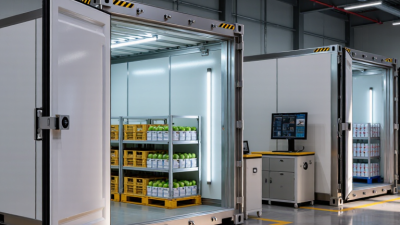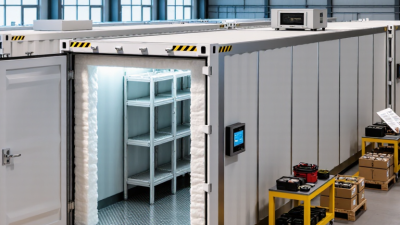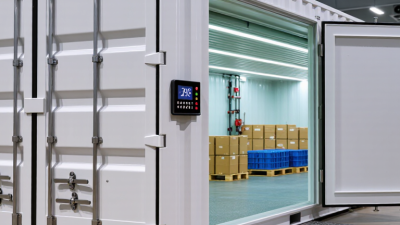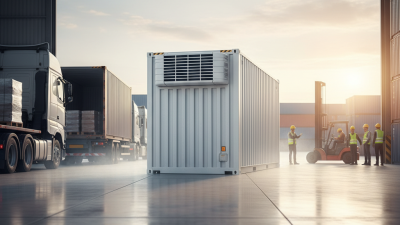
Choosing a cold storage container in China starts with the cargo, not the catalogue. The right unit must hold a suitable temperature during loading, transport, and storage. A seafood distributor may need steady low temperatures and washable interior surfaces. A flower importer may care more about humidity control and gentle airflow. Those needs differ.
Before comparing suppliers, define the required temperature range, usable volume, and daily loading pattern. Measure pallets, doorways, and turning space; external dimensions alone can be misleading. Request details on insulation thickness, refrigeration capacity, power supply, and performance at the expected outdoor temperature. A quoted temperature range is useful, but it does not prove the unit can maintain it under real operating conditions. Ask how performance is tested.
Check the floor, door seals, drainage, lighting, and access to service components. These details affect daily use, yet they can disappear beneath a low headline price. For China-based suppliers, review factory experience, quality-control records, warranty terms, and the availability of replacement parts. If possible, inspect a finished unit or arrange an independent pre-shipment check. I would not rely on photographs alone. A small seal gap can matter.
There is no universal best model. Compare written specifications against your actual cargo and operating conditions, then clarify every unclear item before ordering. Some assumptions will need revisiting once the container is in use. That is worth planning for.
How to Choose a Cold Storage Container in China?
Before choosing a cold storage container in China, define the goods, storage period, and required temperature range. Fresh produce may need chilled conditions, while frozen food requires much lower temperatures. Some pharmaceuticals need tightly controlled ranges, not simple freezing. Ask for the product’s target temperature, acceptable fluctuation, and maximum exposure time outside the container.
Measure the product’s core temperature, not only the surrounding air. A carton can feel cold while its center remains warm. Record the loading temperature, daily volume, and expected door openings. Frequent access increases heat gain. So does direct sunlight. A container placed beside a hot loading bay may need stronger cooling capacity and additional shading.
Think beyond the setpoint. Check insulation thickness, airflow, humidity control, and recovery time after opening the doors. A digital temperature logger should record data continuously, with alerts for abnormal changes. In practice, poor loading patterns often block air circulation. Leave space around the walls and evaporator area. Do not pack blindly.
Ask suppliers for tested cooling performance under local summer conditions. Request maintenance details, emergency procedures, and calibration records. Electrical stability also matters, especially at temporary sites. A backup power plan may prevent costly spoilage. One overlooked issue is condensation, which can damage packaging and create slippery floors. Review these details with a qualified cold-chain technician before purchase, because a low quoted price can hide weak performance.
| Cargo or use | Typical target temperature | Requirements to define | Selection check |
|---|---|---|---|
| Chilled meat and dairy | Often 0–4°C; follow the product specification | Required temperature stability, loading temperature, storage duration, and any humidity needs | Confirm the unit can hold the setpoint under expected outdoor temperatures and door-opening frequency. |
| Fresh fruit and vegetables | Commodity-specific; commonly about 0–13°C | Crop-specific temperature, ventilation, humidity, and ethylene sensitivity | Do not use one setpoint for all produce. Check whether fresh-air ventilation is required. |
| Frozen meat, seafood, and other frozen foods | Typically −18°C or colder, as specified for the cargo | Required storage temperature, product loading temperature, journey duration, and temperature-recording needs | Check the refrigeration unit’s operating range and cooling capacity; pre-cool cargo when required. |
| Ice cream and other temperature-sensitive frozen products | Often around −25 to −30°C; verify the product specification | Lower setpoint, temperature consistency, loading conditions, and alarm or monitoring requirements | Confirm that the selected equipment can maintain the required temperature in the intended climate and operating conditions. |
| Temperature-controlled medicines | Many refrigerated products require 2–8°C; requirements vary by product | Validated temperature range, calibrated monitoring, alarms, backup power, and documented procedures | Use equipment and monitoring appropriate to the product’s approved storage conditions; a general reefer may not meet validation needs. |
| Ultra-low-temperature products | Product-specific; some require temperatures far below standard reefer ranges | Exact setpoint, permitted temperature excursions, specialized equipment, and continuous monitoring | Confirm the required temperature is within the equipment’s rated range; standard refrigerated containers may not be suitable. |
Planning note: Setpoints are indicative examples, not universal storage rules. Confirm the cargo’s specifications, required temperature tolerance, ambient conditions, power supply, ventilation, and monitoring needs before selecting a container.
Choosing a cold storage container in China starts with the cargo, not the container price. A refrigerated container suits frozen seafood, meat, and temperature-sensitive products because its compressor controls the internal temperature. An insulated container without active cooling costs less and works for short-term storage, but it needs a stable external cooling source. That difference matters.
Compare standard 20-foot and 40-foot sizes carefully. A 20-foot unit is easier to place in crowded factories and consumes less power. A 40-foot container offers more capacity but may require stronger ground support and wider access roads. Measure pallets, door clearance, forklift turning space, and loading frequency. Empty space can increase cooling costs.
Insulation performance depends on panel thickness, material density, floor construction, and door sealing. Polyurethane or polyisocyanurate panels usually provide strong thermal resistance, but damaged edges create hidden thermal bridges. Ask for the U-value, insulation thickness, temperature test records, and refrigerating capacity at the required setpoint. Lower U-values generally mean slower heat transfer. Check the floor too; cold air often escapes through poorly insulated bases.
Do not trust a specification sheet alone. Inspect gasket compression, drain design, hinges, and electrical protection before shipment. In humid coastal areas, corrosion protection deserves attention. I have seen containers with excellent panels lose performance because doors stayed open during busy loading. That detail is easy to overlook. A smaller unit with disciplined loading may outperform a larger, poorly managed one. Temperature records should be reviewed after installation, not assumed from factory data.
When comparing Chinese cold storage container manufacturers, look beyond catalog photos. Ask how they control panel thickness, door-seal fit, and refrigeration-unit assembly. A small gap around a door can invite frost and temperature swings. Request recent test records for cooling performance and temperature uniformity, including the test conditions. Details matter.
Check certificates carefully. Confirm the issuing body, validity dates, and whether the document covers the factory, management system, or actual product. A quality-management certificate is useful, but it does not prove a container will hold your target temperature. Ask for traceable inspection reports and, where practical, arrange a factory audit or a live video walk-through. Paperwork can reassure. It can also leave gaps.
Customization should match your site and cargo, not just a sales drawing. Share the required internal dimensions, loading method, target temperature, local power supply, and expected door-opening frequency. Discuss floor strength, door position, insulation thickness, monitoring sensors, and backup alarms. Request a revised drawing before production, then check one finished unit against it. I have seen specifications change in small ways during handoff; that is easy to miss. Confirm who approves substitutions and how defects are handled before paying a deposit.
When selecting a cold storage container in China, examine the refrigeration system beyond its cooling capacity. Ask how quickly it reaches the target temperature after loading warm goods. Check compressor response, evaporator condition, thermostat accuracy, and alarm functions. A stable system should hold temperature during hot summer afternoons, not only during factory testing. Request test records, maintenance logs, and a clear explanation of spare-part availability. Local technical support can reduce downtime when a sensor fails unexpectedly.
Energy use deserves careful measurement. Check the rated power, actual electricity readings, insulation thickness, door-seal quality, and defrost cycle settings. A low purchase price may hide higher operating costs. Measure consumption during both empty and loaded operation. In practice, calculations are imperfect. Product temperature, opening frequency, and outdoor heat can change the result significantly. Leave room for these variables.
Tips: Inspect the container in person when possible. Open and close the doors several times. Look for gaps, frost buildup, unusual vibration, or oil stains near connections. Place temperature sensors at different heights during a trial run. Keep a simple record for several days. Reliable operation is more than a cold display. Ask who responds after midnight, and how quickly repairs can begin. A good container should be efficient, serviceable, and predictable under daily pressure.
How to Choose a Cold Storage Container in China?
Price should be compared by total delivered cost, not by the container quote alone. Ask for separate figures for insulation panels, refrigeration, controls, transport, duties, and unloading. A low price may exclude a foundation, electrical work, or temperature testing. Check the cooling capacity against your product load, door openings, and local climate. I once focused too heavily on the unit price and underestimated crane fees. That mistake changed the real budget.
Delivery details need equal attention. Request a production schedule, packing method, shipping terms, and estimated arrival date. Confirm the container’s external dimensions before booking transport. Port delays can affect seasonal inventory plans. Ask whether the supplier provides photos before dispatch and a complete packing list. Small items, such as sensors and door heaters, are easy to overlook. They should be listed clearly.
Installation support often decides whether the system performs well. Confirm who levels the site, connects power, seals joints, and starts the refrigeration system. Ask for commissioning records and temperature test results. Remote guidance may work, but complicated projects need trained technicians. After-sales terms should state warranty length, response time, spare-parts availability, and service costs. Get these details in writing. A reliable supplier should explain exclusions honestly, including damage from poor maintenance or unstable power. I still prefer a slightly higher quote when support is measurable, although that choice is not always easy for a tight budget.
Start by matching the container’s operating temperature to the goods you need to store. The ranges below are common planning references, not universal product specifications; confirm the required temperature with your product and logistics providers.
When comparing suppliers, look beyond the quoted price: check the total delivered cost, delivery route and schedule, site preparation and installation requirements, and the scope and response time of after-sales support.