7 Best 20ft Container Suppliers for Global Buyers

Choosing a 20ft container is not just a matter of comparing prices. Buyers need to assess condition, specifications, availability, and delivery arrangements. A container may look sound in a listing but show floor damage, corrosion, or worn door seals on inspection. Small details matter.

Marc Levinson, economic historian and author of The Box, has written about how containerization changed global trade. A practical sourcing takeaway from that history is: “Standardization creates value only when equipment is reliable.” This is an editorial summary, not a verbatim quotation. For buyers, reliability means clear condition grades, accurate dimensions, and consistent answers about delivery and inspection.

This guide compares seven suppliers for global buyers. It considers the factors that shape a sound purchase: container type, new or used condition, customization options, service coverage, and the clarity of each supplier’s offer. Shipping routes and local handling can affect the final cost, so a low advertised price may not tell the whole story. Ask for current photos, written specifications, and a complete quote. Then compare the details, not just the headline price.

Some suppliers may suit urgent projects. Others may offer better choice or support. There is no perfect option for every buyer. That is worth remembering. A careful comparison can reduce surprises, though it cannot remove every delivery risk. The recommendations ahead aim to give buyers a practical starting point for choosing a 20ft container supplier with confidence.

7 Best 20ft Container Suppliers for Global Buyers

What Defines a 20ft Container for Global Shipping

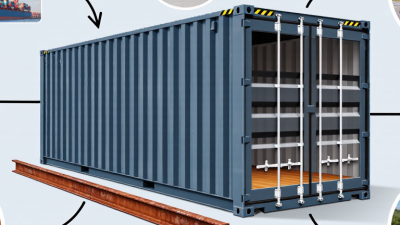
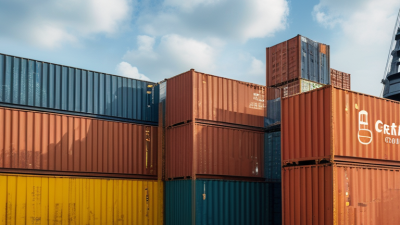
A 20ft container is a standard cargo unit designed to move between ships, railways, and trucks. Its name refers to its nominal length, not the usable space inside. A typical standard unit measures about 20 feet long, 8 feet wide, and 8 feet 6 inches high externally. Exact dimensions can vary slightly.

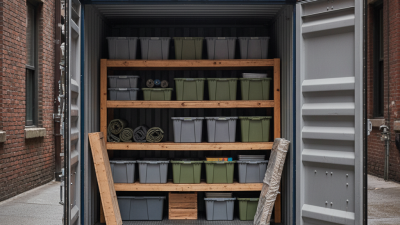
Inside, a general-purpose container often offers roughly 5.9 metres of length and 2.35 metres of width. The door opening is smaller than the interior, so bulky items may not fit even when floor space appears sufficient. Measure cargo, packaging, and loading equipment before booking. Small details matter.

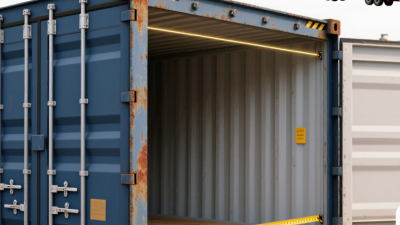
Capacity depends on the specific unit. Check the tare weight and maximum gross weight shown on its data plate; payload is the difference between them. The floor should be sound, doors should close securely, and corner fittings should be intact. Ask for recent inspection details, not just photographs. A picture can miss a soft floorboard or a door that sticks. I would also confirm the internal height in writing, since a few centimetres can affect a tight loading plan. Standardized dimensions help global handling, but condition and usable space still need practical verification.

How to Assess 20ft Container Suppliers Worldwide

Choosing a 20ft container supplier requires more than comparing the quoted price. Check whether the supplier can provide the requested grade, dimensions, delivery location, and a clear inspection record. For used units, ask for recent photographs of the roof, floor, door seals, and corner castings. Small details matter. A spreadsheet can look perfect; the container may not.

UNCTAD’s Review of Maritime Transport 2024 reports that seaborne trade grew by 2.4% in 2023, reaching 12.3 billion tonnes. This does not measure container quality, but it highlights the scale of global shipping and the value of reliable logistics. Ask suppliers for a written delivery timeline, transport costs, and documentation confirming the unit’s condition and applicable safety certification. Compare these details across quotations, not just the headline price. A missing inspection date is worth questioning.

Tips: Request photos of the exact container, not a stock image. Confirm the door opens smoothly and inspect the floor for soft or damaged areas. Ask how defects are recorded and resolved. If an answer feels vague, ask again. It can feel awkward, but it may prevent a costly surprise.

Seven 20ft Container Suppliers for Global Buyers

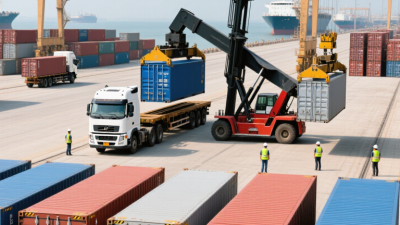
Global buyers can source 20ft containers through seven channels: manufacturers, leasing companies, shipping-line depots, regional container dealers, refurbishment yards, online marketplaces, and freight-forwarding procurement desks. Each serves different needs. Manufacturers may suit large orders, while local dealers can simplify inspection and delivery. Leasing companies may offer flexible access, though terms vary. UNCTAD’s Review of Maritime Transport 2023 reports that more than 80% of world merchandise trade by volume moves by sea, underscoring the importance of dependable container supply chains. Availability still changes by port and season.

Ask each supplier for the unit’s age, condition grade, repair history, and recent photographs. A standard dry 20ft container is about 6.06 metres long and 2.44 metres wide; verify its data plate and usable payload before booking transport. New units often cost more, while used units can have hidden floor, door-seal, or corrosion problems. Details matter. Compare the delivered price, not just the quoted unit price, and confirm inspection, lifting, and inland haulage arrangements in writing. I would not rely on photos alone; a close-up can miss a warped door or a soft floor. Check local availability before paying a deposit.

7 Best 20ft Container Suppliers for Global Buyers - Seven 20ft Container Suppliers for Global Buyers

Compare supplier types rather than named companies. Availability, service coverage, and container condition vary by location and purchase date; confirm specifications and terms directly before ordering.

Supplier profile Typical offering 20ft standard dry-container reference Best suited to Check before purchase
1. Container manufacturer New-build units; specifications and delivery quantities depend on the production order. Typical external dimensions: 6.058 × 2.438 × 2.591 m (20ft × 8ft × 8ft 6in). Buyers seeking new equipment or larger order quantities. Factory inspection, build specification, production schedule, and delivery terms.
2. Global container lessor Leasing and, depending on location, sale of new or used equipment. Common internal dimensions are approximately 5.90 × 2.35 × 2.39 m; exact dimensions vary by unit. Companies comparing ownership with short- or long-term leasing. Rental period, return location, maintenance responsibility, and damage charges.
3. Regional container depot or dealer Locally stocked new and used units, subject to depot inventory. Typical internal volume is about 33 m³; usable space depends on the unit’s design and condition. Buyers prioritizing local inspection and shorter inland delivery. Current stock, condition report, delivery access, and local taxes or fees.
4. Used-container trader Pre-owned units sold in condition grades defined by the seller. Tare weight commonly falls around 2,200–2,400 kg, but varies with model and fittings. Buyers seeking a lower-cost unit for storage or general cargo use. Inspect doors, seals, floor, roof, corrosion, repairs, and any stated grade.
5. Online equipment marketplace Listings from multiple sellers; availability and seller services differ by listing. A common maximum gross mass for a 20ft dry container is 30,480 kg; verify the unit’s CSC plate. Buyers comparing offers across locations and sellers. Seller identity, physical location, inspection rights, payment protection, and transport quote.
6. Intermodal or shipping-equipment provider Container supply connected with transport, depot, or equipment services where offered. Door opening is typically about 2.34 m wide and 2.28 m high; confirm clearance for cargo. Buyers coordinating equipment with freight or inland movement. Equipment ownership, permitted use, route availability, and movement or handling charges.
7. Specialist container supplier Modified, lined, insulated, or project-specific units, depending on supplier capability. A standard 20ft dry container has a nominal capacity of roughly 33 m³; modifications can reduce usable space. Projects needing a non-standard configuration or specific interior fit-out. Drawings, materials, payload implications, compliance needs, and acceptance criteria.

Dimensions and weights are reference values for common 20ft dry containers, not guarantees for every unit. Check the container’s data plate and supplier documentation; maximum gross mass includes the container and its cargo.

How the Suppliers Compare in Products and Services

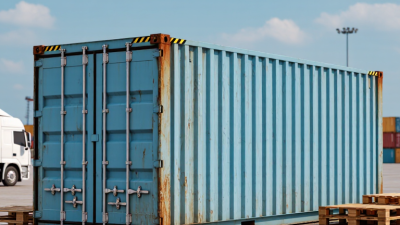
Comparing seven 20ft container suppliers means looking beyond the headline price. Product ranges may include new, one-trip, and used units, but labels alone reveal little. Check corner castings, door seals, floor condition, roof dents, and the data plate against the stated grade. Ask for dated inspection photos and written definitions of “cargo-worthy” or refurbished. Small gaps matter. A leaking door seam can damage cargo, while a floor patch may affect forklift use. Confirm dimensions and payload for the specific unit. Even a careful checklist has limits: photos cannot reveal every hidden repair.

Service differences show up in lead times, depot pickup, inland delivery, documentation, and after-sales support. Compare written delivery estimates and ask what happens if a unit arrives with undisclosed damage. UNCTAD’s Review of Maritime Transport 2024 reports 858.9 million TEUs of container-port throughput in 2023, up 2.4% from the previous year. That scale makes delivery coordination important, though it says nothing about an individual supplier’s reliability. The World Bank’s 2023 Logistics Performance Index assessed 139 economies across areas including customs, infrastructure, and shipment timeliness. Use those measures as prompts when comparing service offers, not as supplier ratings. A low quote may still win, but only if its inspection evidence and delivery terms are clear.

How to Choose a Supplier and Verify Delivery Terms

A 20ft container quote is useful only when the equipment and delivery scope are clear. Ask each supplier to state whether the container is new or used, and request recent photos of the doors, floor, and corner posts. Photos help, but they cannot replace a written condition description. Check that the quoted unit matches your cargo needs and handling plan.

Compare more than the headline price. A low quote may exclude inspection, loading, or local transport. Details matter. If a supplier avoids direct answers about condition or availability, treat that as a reason to pause.

Delivery terms deserve the same scrutiny as the container itself.

Ask which Incoterm applies and name the exact delivery point, not just the destination city. Confirm who pays for loading, freight, insurance, customs-related charges, unloading, and any storage caused by delays. These responsibilities vary with the agreed term, so verify them in the purchase documents.

Get the planned dispatch date, estimated transit time, and delivery appointment process in writing. Ask what happens if the container arrives late or its condition differs from the agreed description.

A tidy quote can still leave gaps; sometimes buyers notice them only after booking.

Save the supplier’s written answers and compare them against the final order before payment.