40 Storage Container Buying Tips for Global Buyers?
Buying a shipping container across borders requires more than comparing prices and photographs. This guide, “40 Storage Container Buying Tips for Global Buyers,” turns practical inspection experience into clear purchasing decisions. It covers container types, dimensions, steel condition, doors, flooring, ventilation, and delivery planning. A clean white exterior may hide corrosion beneath the frame. Look closely.
A reliable 40 storage container should match its intended use, location, and transport method. Buyers should confirm internal measurements, payload limits, wind and water tightness, and previous repairs. Request dated photos, inspection records, and the container identification number. Ask whether the unit is suitable for export transportation and whether required certifications apply in the destination country. Local port rules, taxes, permits, and safety requirements can differ significantly. Verify them with qualified shipping agents or relevant authorities.
Price still matters, but the cheapest unit may create expensive delays. A bent door, damaged floor, or weak corner post can affect loading and safety. I have seen buyers trust polished photographs too quickly. That assumption can fail. In-person inspection is ideal, though independent surveyors can provide useful evidence when distance prevents it. No checklist replaces careful judgment. Even experienced buyers miss details under time pressure. Use these tips as a structured guide, record every question, and compare suppliers consistently. A sensible purchase balances condition, compliance, delivery cost, and long-term value rather than focusing on one attractive number.
Container Types and ISO 668 Sizes: Compare 20-Foot, 40-Foot, and High-Cube Units
Choosing the right storage container starts with ISO 668 dimensions, not advertised capacity. A standard 20-foot unit measures about 6.06 meters long and 2.44 meters wide externally. Its compact footprint suits tools, archived files, and smaller construction sites. A 40-foot container offers roughly twice the length, reaching 12.19 meters. It reduces the number of units needed for larger inventories, but requires more turning space and stronger ground preparation.
High-cube units add approximately 30 centimeters of exterior height compared with standard containers. That extra space helps when storing tall shelving, insulated panels, or bulky equipment. Check the internal height, door opening, and floor clearance carefully. External measurements alone can mislead buyers. Wall thickness, corner posts, and door hardware reduce usable volume. A 40-foot high-cube may look ideal, yet its placement can fail under low overhead cables or narrow access roads.
Ask for the container’s exact external and internal dimensions, tare weight, payload rating, and floor condition. Inspect roof seams, door gaskets, locking bars, and corner castings before payment. Fresh paint can hide dents or previous repairs. That matters. For long-term storage, ventilation may prevent condensation, although excessive airflow can admit dust and moisture. I would also compare delivery costs, because a cheaper 40-foot unit may become expensive when site access requires special handling. Leave clearance around doors for inspection and loading. Measuring the site twice is sensible; assumptions are often the costly part.
Payload, Tare, and Gross Limits: Check the Common 30,480-Kilogram Rating
A common container rating is 30,480 kilograms of maximum gross mass.
ISO 668:2020 defines this reference for many standard freight containers. It is not the cargo allowance. Gross mass includes cargo, pallets, packaging, and the empty container.
Check the door plate before booking transport.
A container with a 3,900-kilogram tare weight allows about 26,580 kilograms of payload. That figure changes when the tare weight differs.
Refrigerated units, reinforced floors, and older equipment may weigh more. Small errors become expensive quickly. A scale ticket is better than guessing.
The IMO Verified Gross Mass guidance requires accurate mass information before vessel loading. Compare the declared weight with the container’s safety plate and carrier instructions.
UNCTAD’s Review of Maritime Transport 2024 highlights the scale and complexity of global container flows, making consistent weight control increasingly important. Road and rail limits may be lower than the container’s structural rating. Local equipment rules still matter.
In yard checks, uneven cargo distribution often causes more trouble than total weight. Heavy machinery placed near one end can overload floor sections or create unsafe handling conditions.
I would also recheck moisture-sensitive cargo; absorbed water is easy to overlook.
The 30,480-kilogram figure is useful, but treating it as an automatic payload limit is a common mistake.
Condition Grading and Inspection: Apply CSC Plates and ISO 1496-1 Criteria
When buying storage containers internationally, start with the CSC safety approval plate. It is not decoration. The plate identifies the container, maximum gross mass, stacking load, and approved examination method. Check that its markings are readable and securely attached. A missing or damaged plate requires careful verification before purchase.
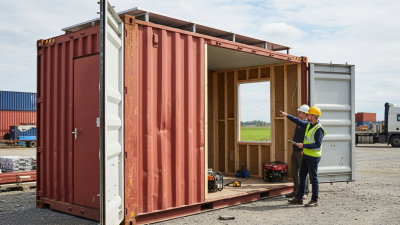
ISO 1496-1 provides a useful technical reference for Series 1 freight containers. Inspect the corner posts, top and bottom rails, cross members, doors, locking bars, roof, and floor. Look for buckling, deep corrosion, cracked welds, water stains, and uneven doors. Measure critical dimensions when possible. Small distortions can affect stacking and handling. A fresh repaint may hide repairs. Do not rely on appearance alone.
Condition grading should record facts, not optimistic labels. Photograph every defect with a scale, note repair locations, and compare the container number with its documents. Confirm that the CSC plate matches the physical unit. A valid plate does not guarantee a dry, clean, or storage-ready container. That distinction is often missed. I would also request recent inspection records and clarify who pays for corrective work. Some evaluations remain subjective, especially around corrosion severity. Use an independent inspector when the order is large or the route is demanding. A container can look acceptable at the yard and still fail your intended use.
40 Storage Container Buying Tips for Global Buyers: Condition Grading and Inspection
ISO 1496-1 defines key dimensional requirements for freight containers. The chart compares nominal external dimensions for common 20-foot 1CC and 40-foot 1AA containers. During purchasing, verify the CSC Safety Approval Plate, confirm that the container is within its required examination period, and inspect the corner posts, roof, floor, doors, locking bars, and underframe for structural damage.
Reference values: 1CC nominal external dimensions are approximately 6,058 × 2,438 × 2,591 mm; 1AA nominal external dimensions are approximately 12,192 × 2,438 × 2,591 mm. Dimensions may be subject to permitted manufacturing tolerances. CSC examination intervals must not exceed 30 months under the applicable inspection scheme.
Global Purchasing and Delivery: Verify Incoterms, Customs, and CSC Compliance
Global buyers should treat Incoterms as a risk map, not a shipping shortcut.
The selected term determines who arranges transport, insurance, export clearance, and delivery. It does not replace customs rules or confirm ownership. Ask for a written quotation showing the named place, version, currency, and every excluded charge. A low unit price can hide terminal handling, storage, inspection, or inland delivery costs. I have seen avoidable disputes start with one vague delivery location.
Tips:
Match the Incoterm with your actual logistics control. Confirm who files export declarations and who pays import duties. Request the commercial invoice, packing list, transport document, certificate of origin, and accurate HS classification before dispatch. Check whether your broker accepts the documents. Small errors become expensive.
CSC compliance deserves a physical review.
Each container should display a readable safety approval plate, valid inspection information, and an identifiable unit number. Examine corner castings, doors, locking bars, floor damage, corrosion, and unauthorized modifications. A container may look usable but fail a depot inspection. Confirm the inspection date and repair history with the supplier and carrier. Customs authorities may also question declared origin, cargo description, value, or weight. Recheck these details before sealing the container; rushed paperwork is a weakness, and even experienced teams occasionally miss a mismatched number.