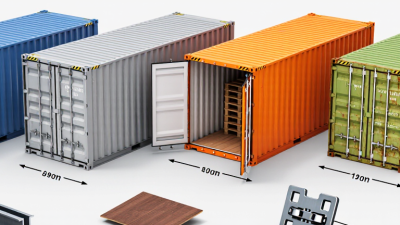
China Top 10 40 Ft Container Manufacturers for Global Buyers
Selecting a 40 ft container is a practical sourcing decision, not merely a catalog exercise. Door clearance, payload, floor strength, corrosion protection, and delivery lead time all matter. Small details count. A container may look sound in photographs yet fail to suit a loading plan or operating environment. UNCTAD’s Review of Maritime Transport 2024 reports that more than 80% of world trade by volume is carried by sea, underscoring the importance of dependable shipping equipment.
China is home to a broad base of container manufacturers, but supplier choice requires more than comparing quoted prices. UNCTAD Secretary-General Rebeca Grynspan has described maritime transport as “the backbone of international trade and the global economy.” That broader perspective helps explain why construction quality and predictable production schedules matter to global buyers. Still, no single specification fits every route. Standard and high-cube units differ, and coatings, flooring, and inspection records deserve close review.
This guide introduces ten Chinese manufacturers for buyers evaluating a 40 ft container. It focuses on practical comparison points, including product range, manufacturing capability, quality documentation, customization, and export support. Treat company claims as starting points, not final proof. Request current certificates, confirm dimensions and payload against your requirements, and inspect samples or production records where possible. No shortlist is perfect. A careful buyer checks the details before placing an order.
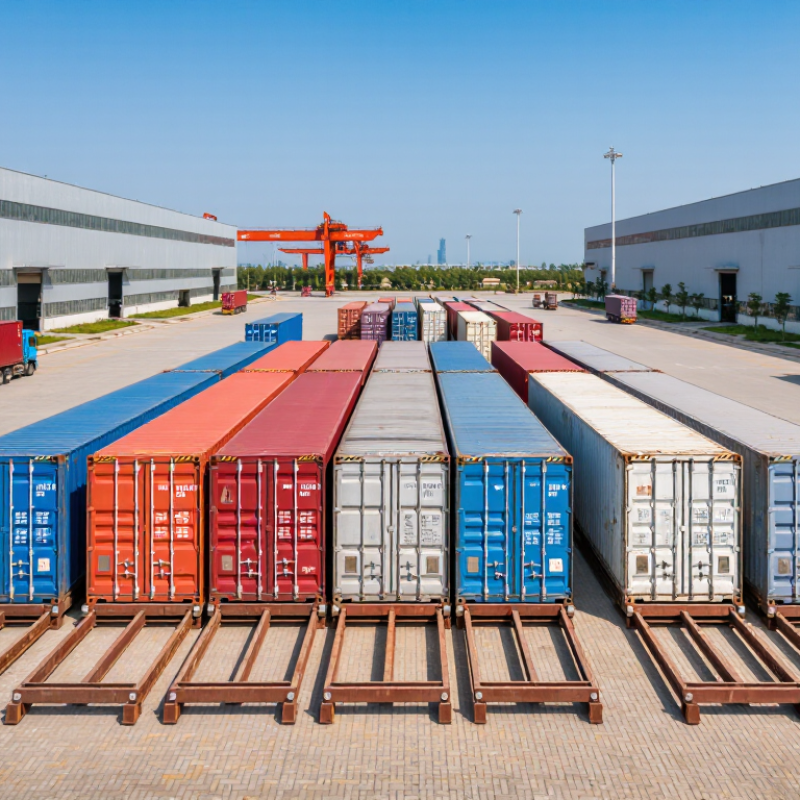
Understanding the 40-Foot Container Market in China
China’s 40-foot container market serves shipping, storage, and project cargo needs, but products are not all alike. A standard dry container and a high-cube model differ in usable height, while payload limits depend on design and configuration. Buyers should compare external and internal dimensions, door openings, tare weight, and stated payload—not rely on “40 ft” alone.
Manufacturers may offer different steel grades, floor materials, coating systems, and production schedules. Ask for technical drawings, material specifications, weld inspection records, and evidence of applicable container testing. Details matter. A clean paint finish can look reassuring, yet it does not reveal hidden weld quality or floor strength. The market is not perfectly uniform; documentation and inspection practices can vary between suppliers.
Location can affect transport costs and delivery timing, especially when moving units from inland factories to ports. Get a written production schedule and clarify whether it includes inspection, loading, and inland haulage. Small gaps count. Confirm sample specifications against the final order, and consider an independent pre-shipment inspection for larger purchases. A little extra checking may feel slow, but changing specifications after production begins is usually slower.
How to Evaluate Chinese Container Manufacturers
Evaluating a 40-foot container manufacturer starts with repeatable quality, not a polished showroom. Ask for recent factory audit records, production capacity, and inspection results from completed units. Check test documentation against ISO 1496-1, then inspect corner castings, welds, door seals, floor panels, and coating thickness. Small defects matter. Open and close the doors yourself; uneven movement can reveal poor alignment. UNCTAD’s Review of Maritime Transport 2024 reports 858.9 million TEUs of container port throughput in 2023. That figure describes industry activity, not factory quality, but it shows the scale of equipment moving through global supply chains.
The World Bank and S&P Global Market Intelligence’s Container Port Performance Index 2023 assessed 405 ports using vessel time in port. Port performance is not a direct measure of container durability, yet it reminds buyers to consider the whole operating cycle. Request traceable steel and component records, a written inspection plan, clear warranty terms, and references for comparable orders. A single factory visit is not enough; production can vary between batches. If possible, arrange independent pre-shipment checks and document any rejected units. Be cautious when a supplier offers impressive capacity figures but cannot explain how defects are recorded and corrected.
Comparing Product Range, Quality, and Production Capacity
For global buyers, comparing 40 ft container manufacturers means looking beyond the standard dry cargo model. A useful product range may include high-cube units, refrigerated containers, open-top designs, and flat racks. Not every factory makes each type in-house. Ask which components are produced on site and which are sourced from suppliers. Small detail, big difference.
Quality is easier to judge with clear specifications than with broad claims. Review the steel grade, floor material, door hardware, coating system, and stated testing process. Request inspection records and photos of welds, corner castings, and door seals from recent production. A clean sample can be reassuring, but it does not prove every unit will match. That part deserves scrutiny.
Production capacity matters when delivery schedules are tight. Compare monthly output with current orders, workforce size, and the availability of materials. Ask for a realistic lead time, not only the fastest quoted date. Capacity figures can change with seasonal demand, equipment downtime, and customization. Even a capable plant may miss a shipment; buyers should confirm milestones in writing and arrange independent checks when practical. No comparison is perfect. The best choice balances product fit, repeatable quality, and a delivery plan the manufacturer can support.
What Global Buyers Should Know About Exporting Containers
Exporting a 40-foot container involves more than agreeing on a price and delivery date. Confirm the container’s intended use, dimensions, payload, and door opening before production begins. Specifications can vary by model, so compare the actual drawings with your loading plan. A pallet that fits on paper may not clear the doorway.
Ask for a written production schedule, packing details, and pre-shipment inspection records. Check the container number, condition, welds, door seals, and any required safety or inspection plates. Request clear photos of the finished unit and its markings. Small details matter. Wooden packing materials and export documents may also need attention, depending on the route and destination.
Coordinate the shipping method, port arrangements, and unloading equipment early. Confirm who handles inland transport, cargo insurance, and documentation, rather than assuming these costs are included. Keep copies of the approved specifications and inspection findings. A spreadsheet can look complete and still miss a practical issue, such as crane access at the receiving site. Build in time for corrections; schedules do slip, and pretending otherwise helps no one.