How to Use a 40ft Container for Shipping Storage and More?
In today’s logistics and shipping industry, the 40ft container stands as a versatile solution for various storage and transportation needs. Expert John Smith, a recognized authority in container usage, states, “The 40ft container is more than just a shipping tool; it’s a game-changer for businesses.” This container allows efficient transport of large volumes while providing secure storage options.
Many businesses utilize the 40ft container for temporary storage during transitions or renovations. For example, a retail store might use a container for excess inventory during peak seasons. However, not all companies fully leverage this opportunity. Some fail to consider the long-term benefits of a well-placed 40ft container, resulting in wasted space and resources.
There is also a growing trend to repurpose these containers into creative spaces. From pop-up shops to portable offices, the potential is vast. Yet, it is essential to assess local regulations and safety standards carefully. With the right approach, a 40ft container can offer innovative solutions in shipping, storage, and beyond. Embracing this potential requires reflection on current practices and exploring ways to utilize containers effectively.

Understanding the Dimensions and Capacity of a 40ft Container
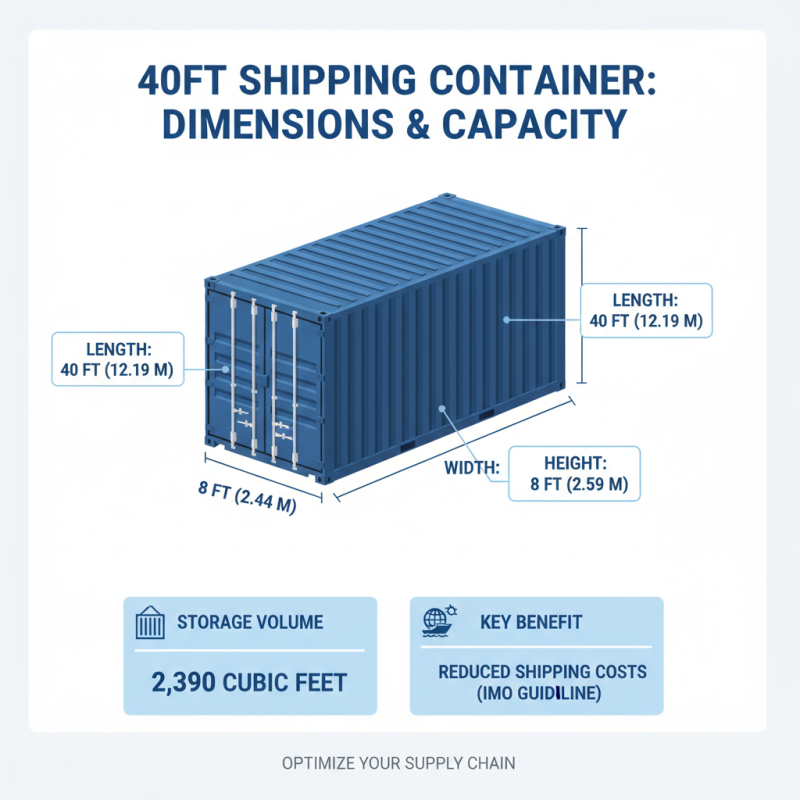
When considering a 40ft container for shipping and storage, understanding its dimensions and capacity is critical. A standard 40ft container typically measures 40 feet long, 8 feet wide, and 8.5 feet high. This spacious interior offers about 2,390 cubic feet of storage space, making it an ideal choice for various shipping needs. According to the International Maritime Organization, utilizing this size efficiently can enhance your supply chain by significantly reducing shipping costs.
In practical terms, a 40ft container can accommodate approximately 20 to 24 standard pallets, depending on how items are stacked and organized. This capacity allows for the transportation of a wide range of goods, from machinery to textiles. However, it's essential to consider weight limits as well. The maximum gross weight is around 67,200 pounds, which includes the container's weight. Always double-check weight distribution to avoid damage.
Tip: When loading, ensure heavier items are on the bottom to maintain stability.
If you plan to use the container for storage, consider ventilation options. Containers are prone to humidity, which can affect some materials. Regular checks can prevent long-term damage to your goods.
Tip: Use moisture-absorbing materials inside to manage humidity levels effectively. These practical approaches enhance your experience and protect your investments in containers.
Common Uses of 40ft Containers for Shipping and Storage
A 40ft container is a versatile option for both shipping and storage. Its spacious interior can accommodate a significant amount of cargo. Businesses often use these containers for transporting goods across long distances. They are also used for on-site storage, especially in construction zones. This dual functionality makes them an appealing investment for various industries.
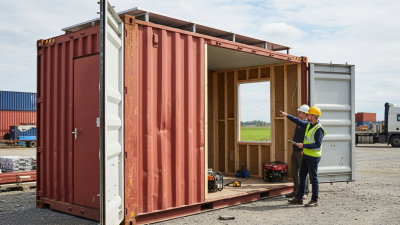
Many organizations transform 40ft containers into pop-up shops or temporary offices. With a bit of creativity, these containers can become anything from cafes to art studios. They offer a cost-effective solution for those needing extra space without committing to permanent structures. However, planning and design are crucial for optimal utilization. Sometimes, the space may feel cramped if not organized properly.
Moreover, using containers for storage has its challenges. Weatherproofing is essential to protect contents. An unsealed container can lead to moisture build-up, causing damage. Regular inspections and maintenance are necessary to ensure the container remains secure and functional. Overall, while 40ft containers provide great opportunities, careful consideration is vital for effective use.
How to Use a 40ft Container for Shipping Storage and More?
| Use Case |
Description |
Benefits |
| Shipping |
Transport goods internationally or domestically in bulk. |
Cost-effective, secure, and durable for various types of cargo. |
| Storage |
Ideal for temporary or permanent storage of items. |
Weatherproof and secure, protecting contents from theft and damage. |
| Office Space |
Can be converted into portable office space on job sites. |
Quick setup, cost-effective with basic amenities possible. |
| Workshop |
Used as a mobile workshop for various projects and repairs. |
Flexible usage, can easily relocate to different sites. |
| Pop-up Retail |
Transformed into a retail space for events or markets. |
Unique branding opportunity and mobile retail presence. |
| Emergency Shelter |
Can be used as temporary housing during emergencies. |
Sturdy and quick to deploy in disaster situations. |
Preparing Your 40ft Container for Safe Loading and Transport
Preparing your 40ft container for safe loading and transport is essential for a smooth shipping process. Proper preparation minimizes the risk of damage and ensures that your goods arrive at their destination intact. According to industry reports, container mishandling can lead to a 30% increase in transport costs. This statistic highlights the importance of following best practices in container loading.
Before loading, inspect your 40ft container for structural integrity. Look for any rust, sharp edges, or potential leaks. An estimated 25% of containers experience some form of damage due to inadequate inspection. Maintaining a clean, debris-free environment is equally crucial. Use protective materials like pallets or wooden dunnage to elevate your cargo off the floor. This practice helps prevent moisture damage, which can affect up to 15% of shipments.
When loading, balance the weight evenly across the container. Distribute heavier items towards the bottom and center, with lighter items on top. This setup reduces the risk of tipping during transport. It’s also vital to secure your cargo with proper restraints. Poorly secured items accounted for 20% of cargo damage claims last year. Ensuring each item is tightly packed and secured can mitigate this risk significantly.
Usage Statistics of 40ft Containers for Shipping and Storage
Tips for Maintenance and Care of 40ft Shipping Containers
Maintaining a 40ft shipping container requires diligence and understanding. Regular inspection is essential. Check for rust, dents, and signs of wear. The Container Housing Market Report indicates that containers can last for decades with proper care. Yet, neglect can shorten their lifespan significantly.
Cleaning is another vital aspect. Use a non-corrosive cleaner for interior surfaces. Ensure proper drainage to prevent water accumulation. The World Shipping Council suggests that over 30% of containers experience structural issues due to poor maintenance. Small repairs can prevent larger, costly problems later.
Ventilation matters too. Lack of airflow can lead to mold and mildew. Installing vents or using desiccants can help control humidity. Aim for a dry environment, as prolonged moisture exposure is detrimental. Addressing these details can lead to better functionality and longevity of your 40ft container.