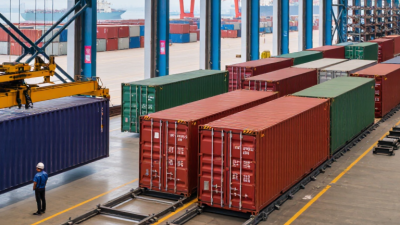
China’s 40 ft container market offers options for shipping, storage, and business projects, but “best” depends on your actual needs. A low price may look attractive until delivery, condition, or included features are checked. Prices move. This guide explains the main size choices and the details worth confirming before requesting a quote.
A standard 40-foot container is approximately 40 feet long and 8 feet wide externally; exact measurements can vary by model and manufacturer. Its usable interior space is smaller, so check the supplier’s specification sheet if pallets, machinery, or shelving must fit. A 40 ft container in high-cube form provides roughly one extra foot of height, which can matter for bulky cargo. Small differences matter.
Prices from Chinese suppliers can vary with construction, steel condition, flooring, doors, paint, and whether the unit is new or used. Ask for a dated quotation that clearly identifies the model, condition, included accessories, and delivery arrangements. Compare like with like. For used units, request recent photographs and inspect the floor, door seals, corner fittings, and signs of corrosion. A photograph cannot reveal everything, and I would not treat it as a full inspection. Confirm shipping and local delivery costs separately, since distance and handling requirements can change the final amount. With the specifications in hand, buyers can compare offers more confidently and choose a container that suits their space, budget, and intended use.
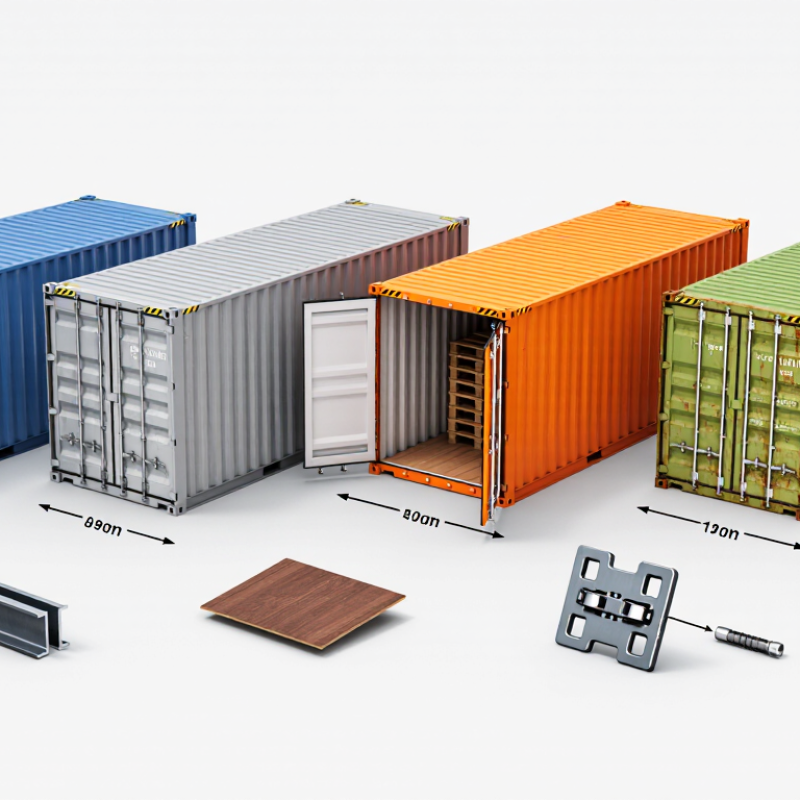
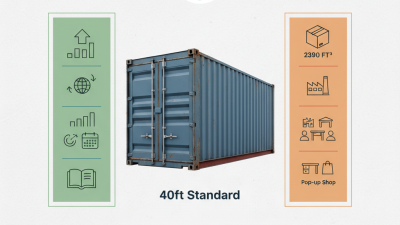
A 40-foot shipping container is a reusable steel cargo unit built for transport by ship, rail, and road. ISO 668:2020 defines its standard external length as 12.192 metres and width as 2.438 metres. A standard container is about 2.591 metres tall; a high-cube version is about 2.896 metres tall. Internal measurements and usable volume vary with wall thickness and construction. Typical capacity is roughly 67 cubic metres for a standard unit and 76 cubic metres for a high cube. It is a large box. But not every box is identical.
UNCTAD’s Review of Maritime Transport 2024 reports that more than 80% of world merchandise trade by volume moves by sea, where containers support efficient handling across transport modes. A 40-foot unit suits bulky freight, but its maximum payload depends on the specific container and its safety plate. Typical tare weight is around 3.7 to 4.2 tonnes; check the unit’s markings before estimating cargo weight. Prices also vary with condition, location, and delivery costs, so size alone cannot predict the final quote. I would not assume two containers listed as “40-foot” offer the same usable space.
Tips: Measure the tallest item, including its packaging, before choosing standard or high cube. Ask for the container’s internal dimensions, tare weight, and payload rating. A tape measure helps. Check the actual unit, not just the listing.
A standard 40-foot container measures about 40 feet long, 8 feet wide, and 8 feet 6 inches high on the outside. Inside, usable space is typically around 39 feet 5 inches long, 7 feet 8 inches wide, and 7 feet 10 inches high. Wall thickness, flooring, and door fittings reduce the interior dimensions. Check the unit’s specification sheet before planning a close fit.
A 40-foot high-cube container keeps roughly the same length and width but stands 9 feet 6 inches tall externally. Its interior height is commonly about 8 feet 10 inches, offering roughly one extra foot of vertical room. That can help with tall cartons, shelving, or bulky equipment. More headroom matters.
Both types usually have a doorway around 7 feet 8 inches wide, though exact measurements vary. A pallet may fit through the door but still be difficult to turn inside. Measure the widest load, its height, and the access route—not just the container floor. Figures are approximate, and older or repaired units may differ. That detail is easy to overlook. When comparing sizes, ask for actual internal and door dimensions for the specific container being offered.
Compare typical exterior dimensions in meters. A 40-foot high-cube container has the same nominal length and width as a standard 40-foot container, but is taller.
Typical exterior dimensions: both types are about 12.19 m long and 2.44 m wide. Standard height is about 2.59 m; high-cube height is about 2.90 m. Prices are not shown because they vary by condition (new or used), specifications, location, and delivery costs; request a current quote for an accurate price.
A 40-foot container is not one-size-fits-all in practice. A standard dry container is about 40 feet long, 8 feet wide, and 8.5 feet high externally. A high-cube version adds roughly one foot of height, making it useful for bulky, lightweight cargo. Internal dimensions vary slightly by construction, so check the unit’s specification sheet before planning a tight load. Small differences matter.
Standard dry containers commonly carry boxed goods, furniture, and palletized materials. High-cube units suit tall equipment or goods that need extra vertical space. For temperature-sensitive products, refrigerated containers maintain controlled conditions, but they need a reliable power supply and regular checks. That part is easy to overlook. A container’s stated capacity does not guarantee every pallet will fit through its doors.
Open-top containers allow loading from above, which can help with tall machinery or awkward cargo. Flat racks have open sides and ends, making them practical for oversized loads that cannot fit inside an enclosed box. Their suitability depends on cargo dimensions, weight, and secure handling arrangements. Prices for 40-foot units also vary with type, condition, location, and delivery costs. A low listed price may exclude important services, so compare the full offer rather than the headline figure. I would still measure the actual cargo twice. A neat specification can meet a messy loading day.
A 40-foot container’s price in China depends heavily on its condition and specification. A new, one-trip unit usually costs more than a used container with visible wear. Buyers should compare the steel condition, floor strength, door seals, and inspection status, not just the headline price. Small details matter. Standard and high-cube models also differ: a high-cube unit is about 9 feet 6 inches tall externally, while internal dimensions vary by construction. Ask for a dimension sheet and clear photos of the roof, corners, floor, and door hardware. A low quote can reflect repairs or a different grade. That is easy to miss.
Location and delivery terms can change the final cost substantially. A factory price may exclude transport to the port, loading, documentation, or inland delivery, so compare quotations on the same basis. Steel costs, exchange rates, production schedules, and seasonal demand can also shift prices. Custom paint, extra vents, or reinforced flooring add cost and may extend lead time. Request a written breakdown, quote validity period, and stated condition standard. If an inspection is available, confirm its scope before paying; photographs alone cannot reveal every defect. I would avoid treating one supplier’s estimate as a market benchmark, since timing and specifications may not match.
| Container Type or Price Factor | Typical Specification or Indicative Range | What to Consider |
|---|---|---|
| 40 ft standard dry container — new / one-trip | About US$3,000–US$5,000 per unit | An indicative planning range for a new or one-trip unit supplied in China. The final offer depends on specification, availability, delivery terms, and inspection requirements. |
| 40 ft standard dry container — used | About US$1,500–US$3,000 per unit | Condition, age, prior repairs, flooring, door operation, and whether the unit is cargo-worthy can substantially affect the price. |
| 40 ft high-cube dry container — new / one-trip | About US$3,500–US$5,500 per unit | The extra internal height can make high-cube units more expensive than standard-height units. Confirm the exact model and dimensions in the quotation. |
| 40 ft standard dry — external dimensions | Approximately 12.19 m × 2.44 m × 2.59 m (L × W × H) | Standardized nominal dimensions; small manufacturing tolerances may apply. |
| 40 ft high-cube dry — external dimensions | Approximately 12.19 m × 2.44 m × 2.90 m (L × W × H) | The high-cube model is about 30 cm taller externally than a standard-height 40 ft container. |
| 40 ft standard dry — internal dimensions | Approximately 12.03 m × 2.35 m × 2.39 m (L × W × H) | Usable internal dimensions vary slightly by manufacturer and container design. |
| 40 ft high-cube dry — internal dimensions | Approximately 12.03 m × 2.35 m × 2.70 m (L × W × H) | Check internal height and door clearance if cargo dimensions are close to the limits. |
| Typical tare weight | Roughly 3,700–4,200 kg for a 40 ft dry container | Actual tare weight is marked on the container and can vary with construction and fittings. |
| Payload and maximum gross weight | Many dry units have a maximum gross weight near 30,480 kg; payload depends on tare weight. | Use the individual unit’s CSC safety approval plate and comply with road, rail, and shipping limits. |
| Condition and certification | New, one-trip, cargo-worthy, or as-is | A valid CSC plate, wind- and watertight condition, clean interior, sound flooring, and functioning doors can increase value. Specify the required condition before purchase. |
| Delivery terms and location | Factory or depot pickup, port delivery, or delivered to destination | Clarify whether the quote includes inland transport, loading, export handling, ocean freight, insurance, duties, and destination charges. Compare quotations on the same Incoterm basis. |
| Supply, demand, and timing | Prices can change with steel costs, inventory, shipping demand, and season | Request a dated quotation and confirm its validity period, stock availability, production lead time, and payment terms. |
Note: Price ranges are indicative budgeting estimates, not live quotations. Actual prices in China vary by supplier, location, unit condition, specifications, order quantity, and delivery terms. Verify current pricing and the container’s marked specifications before purchase.
A 40-foot container quote is useful only when its specifications are clear. Ask whether it is standard height or high cube, new or used, and request the external and internal dimensions. A high-cube unit is typically about one foot taller, but usable space can vary by design and condition. Check the door opening, floor condition, and payload rating, too. Small details matter.
Compare like with like. One supplier’s price may exclude inland transport, loading, inspection, or delivery to the port. Ask for an itemized quotation, its validity period, production or availability timing, and the exact delivery location. Prices change with condition, supply, and freight, so a low figure alone proves little. Keep the details in writing.
Supplier checks deserve the same care as price checks. Request recent, dated photos of the actual unit, not just catalog images. Ask for manufacturing or inspection records where applicable, and confirm how defects are handled. Check the company’s business details and references through independent sources. A video call can help, but it is not a substitute for an inspection. Even a tidy comparison sheet can miss something; I would leave room for questions before paying a deposit.