2026 How to Choose the Best 20ft Refrigerated Container?
Choosing the right 20ft refrigerated container is essential for businesses that rely on temperature-sensitive goods. This decision can impact product quality and operational efficiency. A 20ft refrigerated container serves a variety of needs, from transporting perishable food to storing pharmaceutical products. However, selecting the best option requires careful consideration and knowledge.
When exploring your options, think about factors like insulation quality, cooling performance, and energy efficiency. Different manufacturers may provide unique features, but not all may meet your demands. It’s crucial to research reputable brands known for their reliability. Sometimes, price can be misleading. A cheaper container might save money upfront but lead to higher operational costs later.
You may also consider the container’s maintenance. A unit that is easy to service can save time and reduce headaches. It’s worth pondering how often you will need to use it and its specific applications. Rushing into a decision could lead to regret down the line. Overall, navigating your choices thoughtfully can lead to better outcomes with your 20ft refrigerated container.
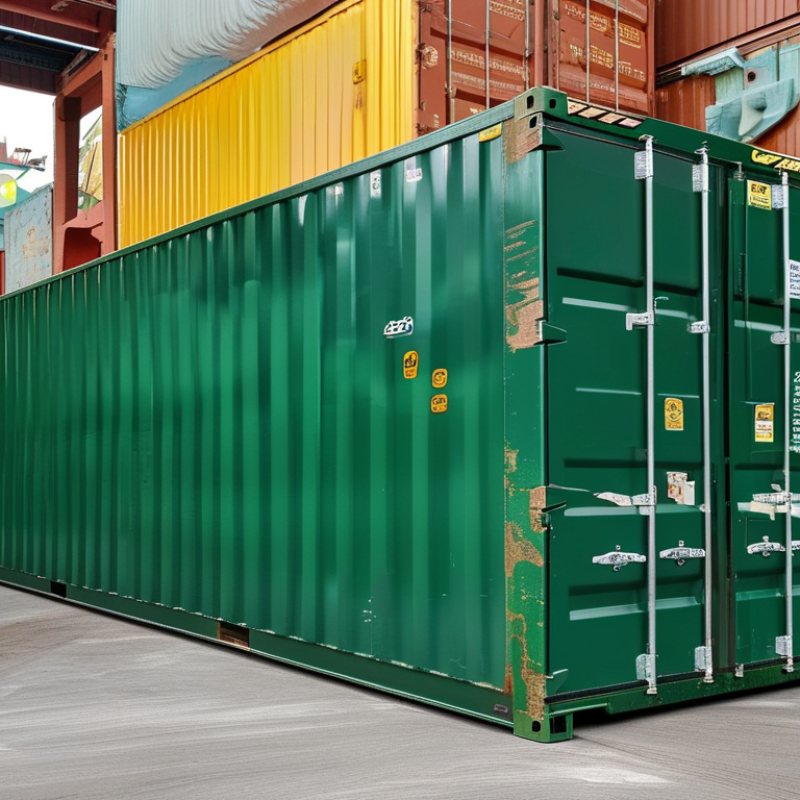
Understanding the Basics of Refrigerated Containers
Refrigerated containers are essential for transporting temperature-sensitive goods. These units help maintain optimal conditions for perishable items, such as food and pharmaceuticals. The global market for refrigerated containers was valued at approximately $2.3 billion as of 2021, showing steady growth due to increased demand in logistics and trade sectors.
Understanding how these containers work is crucial. Typically, they use a refrigeration unit that maintains temperatures between -20°C and +20°C. The energy efficiency of these containers varies significantly. According to a 2022 industry report, up to 30% of refrigeration energy can be wasted due to poor insulation and outdated technology.
Size and capacity are also important factors. A 20ft refrigerated container can hold around 28,000 liters of goods. However, overcrowding or improper loading can lead to uneven cooling. Therefore, careful planning in cargo loading is vital. Every small detail tends to impact performance. Understanding these basics aids in better decision-making when selecting the right container for transportation needs.
Key Features to Consider in a 20ft Refrigerated Container
When choosing a 20ft refrigerated container, consider several key features that can greatly affect performance. The insulation quality is crucial for maintaining consistent temperatures. Look for containers with high-density polyurethane foam insulation. This feature reduces energy consumption and ensures the right conditions for cargo.
Temperature control is another essential aspect. Containers should offer a reliable refrigeration system that can maintain temperatures from -20°C to +20°C. Easy-to-use digital controls can enhance functionality. Pay attention to the container’s temperature range and monitor accuracy.
Durability is important too. A robust structure can withstand harsh conditions. Look for corrosion-resistant materials that will last over time. Ensure the container has proper ventilation to prevent moisture buildup. These aspects influence reliability and the overall service life of the container. Each feature matters when it comes to performance and cargo safety.
Assessing the Insulation and Temperature Control Systems
When choosing a 20ft refrigerated container,
insulation and temperature control
are vital. Proper insulation prevents temperature fluctuations, protecting perishable goods.
Look for containers made from high-quality materials. Foam insulation, for instance, offers
excellent thermal resistance. A well-insulated container reduces energy consumption and maintains
consistent temperatures.
Temperature control systems come next. They should be simple yet reliable.
Digital thermostats provide precise readings, ensuring your valuable cargo stays safe.
Many containers include advanced monitoring systems, which alert users to any temperature
deviations. This feature is crucial for transporting sensitive items like vaccines
or seafood.
However, it's important to remember that not all temperature control systems are perfect.
Some may require frequent recalibration. Regular maintenance is essential to ensure optimal
performance. Be prepared to check your container periodically. Despite potential issues,
understanding insulation and temperature control leads to informed choices.
The right container not only protects your goods but also enhances your bottom line.
Evaluating the Energy Efficiency and Operating Costs
When selecting a 20ft refrigerated container, energy efficiency is key. According to a report by the International Energy Agency, transportation refrigeration accounts for about 6% of global energy use in the food industry. This means that a container's energy performance can significantly impact operating costs.
A highly efficient unit can save up to 30% on electricity bills. It’s important to assess insulation material and compressor type. Containers with polyurethane insulation are known for better thermal retention, reducing energy costs. The average operational cost for a refrigerated container can range from $900 to $1,500 per year, depending on usage and efficiency ratings.
Another factor is the environmental impact. Increasingly, operators prioritize eco-friendly options. A study showed that energy-efficient systems may cut greenhouse gas emissions by 20%. However, the initial investment in advanced technology might be daunting for some. Balancing cost and sustainability demands careful consideration, making this choice a complex yet crucial decision.
Energy Efficiency and Operating Costs of 20ft Refrigerated Containers
Choosing the Right Supplier and Maintenance Options
When selecting a supplier for 20ft refrigerated containers, reliability and experience are paramount. Many industry reports suggest that 70% of logistics issues stem from inadequate equipment and supplier support. Choosing a capable supplier can directly impact the efficiency of your cold chain. Look for suppliers with a proven track record and strong industry references. Reviewing their past performance can provide insights into reliability and service standards.
Maintenance options play a crucial role in the longevity of your refrigerated container. Regular maintenance ensures optimal performance. A study by the International Refrigeration Institute indicates that well-maintained units can reduce energy costs by up to 25%. Neglecting maintenance can lead to costly repairs and product spoilage. It's essential to evaluate the maintenance services your supplier offers. Check their response times and the flexibility of their support. Also, consider any available training programs that help your team effectively monitor and maintain the units.
Evaluating the supplier’s commitment to innovation and sustainability is also important. The refrigerated transport sector is evolving. Reports show that suppliers focusing on green technology are gaining market share. Consider how your choice aligns with these trends. Reflecting on these factors can guide your decision-making process. By being thorough in your supplier evaluation and maintenance strategy, you can optimize your cold chain logistics.
2026 How to Choose the Best 20ft Refrigerated Container? - Choosing the Right Supplier and Maintenance Options
| Feature |
Details |
Maintenance Options |
Supplier Considerations |
| Temperature Range |
-20°C to +20°C |
Regular Cooling Checks |
Reputation in Industry |
| Energy Efficiency |
Low Energy Consumption Units |
Scheduled Maintenance |
Customer Support Services |
| Size and Capacity |
20ft with 28 cubic meter capacity |
Essential Repairs and Parts Replacement |
Delivery and Installation Options |
| Material Quality |
CFC-free Insulated Panels |
Cleaning and Sanitization |
Warranty and After-sales Service |
| Temperature Control System |
Digital Controls and Logs |
Software Updates |
Experience with Refrigerated Units |