How to Calculate 40 ft Container Shipping Costs?
Calculating the cost of a 40 ft container requires more than checking a carrier’s headline freight rate. The final amount usually combines ocean freight, origin handling, terminal charges, documentation, fuel adjustments, and destination fees. Inland transport can also change the estimate sharply, especially when the container travels by truck or rail after arrival. A quote from Shanghai to Rotterdam may look attractive until trucking, port handling, and delivery appointments are added.
This guide explains how experienced shippers build a clearer cost estimate. It considers route distance, cargo weight, container availability, seasonal demand, and the selected service level. It also shows where currency changes, demurrage, detention, insurance, customs duties, and local charges may appear. Small details matter. A single free-day limit can affect the final invoice.
Reliable calculations should use recent carrier quotations, official port tariffs, and written confirmations from freight forwarders. Incoterms also influence which party pays each charge, so the agreed term must match the shipping contract. Rates move quickly. A price checked last month may no longer reflect current fuel costs or capacity conditions. Even a careful spreadsheet can contain gaps when local fees are missing. That limitation deserves attention, not concealment. By separating fixed charges from variable costs, importers and exporters can compare quotes fairly and prepare a realistic budget for one 40 ft container. Actual figures will differ by route, cargo type, timing, and service provider, but a transparent method makes unexpected charges easier to identify.
Define a 40 ft Container: ISO 668 Dimensions, 67 m³ Capacity, and Payload
How to Calculate 40 ft Container Shipping Costs?
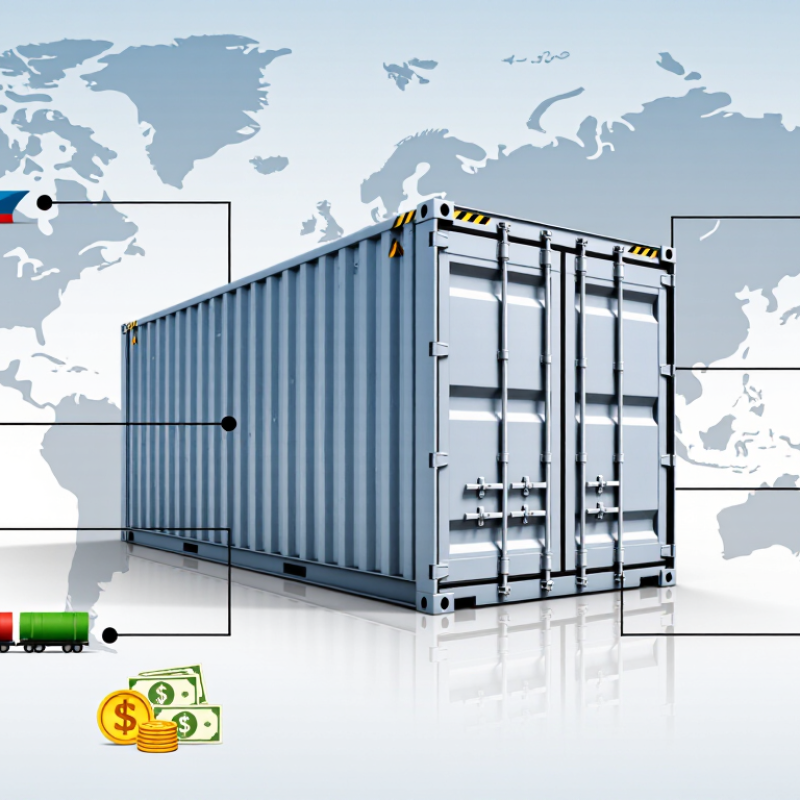
A 40 ft container follows ISO 668 standards for basic dimensions. Its external length is 12.192 meters, with a width of 2.438 meters and height of 2.591 meters. Inside, usable space is usually about 12.03 meters long, 2.35 meters wide, and 2.39 meters high. The stated capacity is approximately 67 m³. However, that figure is theoretical. Door clearance, packaging, and securing materials reduce practical space.
Payload matters as much as volume. Many standard 40 ft containers handle roughly 26 to 28 metric tons, but the certified maximum gross weight may reach 30.48 tons. Always check the container plate and local road limits. A dense cargo, such as machinery, may reach the weight limit before filling the floor. Light cartons can fill the volume first. This difference changes freight pricing, handling requirements, and sometimes inland transport costs. A common mistake is estimating only from cubic meters.
Tips: Measure each pallet, including corner protection and wrapping. Leave space for safe door operation. Ask the forwarder for the applicable gross-weight limit and a complete rate breakdown. Include ocean freight, terminal handling, documentation, and local delivery when comparing quotes. Small charges are easy to miss. I would also recheck the loading plan after weighing the heaviest pallets, because an attractive estimate can fail when weight distribution is uneven.
Identify Cost Inputs: Freight, Bunker, Terminal, Customs, and Inland Charges
How to Calculate 40 ft Container Shipping Costs?
A reliable estimate starts with the complete cost chain, not ocean freight alone. Record the shipment route, cargo weight, loading date, and agreed trade terms. A 40 ft container may carry different rates depending on season, port congestion, and equipment availability. Ocean freight is usually quoted between specific ports. Check whether the quote includes a bunker adjustment or lists it separately.
Bunker charges reflect fuel price changes and can vary during the booking period. Terminal charges may cover handling, documentation, security, storage, and container movement. Ask for each item in writing. Small fees can grow quickly after several days at a busy terminal. Customs costs depend on cargo value, classification, duties, taxes, inspection, and clearance services. Use accurate commercial documents and verify the classification with a qualified customs professional.
Inland charges complete the calculation. Include trucking, rail, pickup, delivery, chassis use, tolls, and waiting time. A practical formula is: total cost equals freight plus bunker, terminal, customs, and inland charges. Add currency conversion and possible destination fees. Keep a contingency allowance for demurrage or unexpected handling. My early estimates often missed storage charges because I focused too closely on the quoted freight. That mistake was expensive. Rates also need a validity date, because a low quote can become unreliable after a short delay. Ask whether the carrier or forwarder can provide a full charge sheet for both origin and destination.
Apply the Formula: Total Cost = Freight + Surcharges + Local Logistics Fees
How to Calculate 40 ft Container Shipping Costs?
Use the formula: Total Cost = Freight + Surcharges + Local Logistics Fees. Freight covers the ocean movement between ports. Surcharges may include fuel adjustments, peak-season fees, security charges, and equipment-related costs. Local fees can include documentation, terminal handling, customs processing, trucking, and storage. UNCTAD’s Review of Maritime Transport 2024 states that over 80% of global merchandise trade by volume moves by sea. Therefore, small rate changes can materially affect a shipment budget.
For example, assume the base freight is $2,400. Add $350 for carrier surcharges, $180 for terminal handling, $120 for documentation, and $650 for inland trucking. The estimated total becomes $3,700. Do not stop there. Check whether the quotation includes destination handling, chassis use, demurrage, or warehouse waiting time. These items often create unpleasant surprises. World Bank’s Logistics Performance Index 2023 highlights the importance of shipment reliability, not only transport price. A cheaper quote may become expensive when delivery timing fails.
I usually build a line-by-line worksheet. It exposes missing costs quickly. Ask for the rate validity period and confirm whether charges are per container or shipment. Port congestion can change local expenses within days. Exchange-rate movement can also distort the final amount. The estimate is never perfect. Recheck it before booking.
Compare Market Rates Using Drewry’s WCI and 40 ft Container Benchmarks
Calculating a 40-foot container shipping cost starts with the ocean freight rate, but that figure rarely tells the whole story. A practical estimate should include the port pair, sailing week, container availability, fuel adjustments, terminal handling, documentation, and inland delivery. A quote can look attractive until destination charges appear. Check every line.
The World Container Index, or WCI, provides a useful 40-foot market benchmark for comparing spot rates across major trade lanes. Match your quotation to the same route, equipment type, currency, and pricing period. If the WCI benchmark is 2,400 dollars and your ocean quote is 2,650 dollars, the 250-dollar difference needs explanation. It may reflect congestion, limited sailings, or extra services. It may also reflect poor timing.
Use the benchmark as a reference, not a guaranteed price. Weekly movements can be sharp during peak seasons or port disruptions. I have found that comparing three quotes against the same WCI publication date reveals hidden assumptions quickly. Still, the method is imperfect. Some quotes include inland transport, while others stop at the port. Recheck the trade terms, free storage period, transit time, and possible surcharges before approving the shipment. A spreadsheet helps, but it cannot replace a carrier’s written confirmation.
40 ft Container Shipping Cost Benchmark
Estimated monthly spot-market ocean freight benchmarks for one 40 ft container in 2024, shown in U.S. dollars.
These benchmark figures represent ocean freight only and exclude inland transport, terminal handling, customs duties, insurance, documentation, and other local charges. Actual quotations vary by route, sailing schedule, equipment availability, and contract terms.
Verify Incoterms 2020, Weight Limits, Currency, Taxes, and Seasonal Variations
How to Calculate 40 ft Container Shipping Costs?
When I price a 40 ft container, I begin with a written quote, not a rough online estimate. A reliable calculation separates ocean freight, terminal handling, documentation, inland transport, insurance, and local charges. Verify the selected Incoterms 2020 rule carefully. It defines who pays for transport, customs clearance, insurance, and delivery risks. It does not guarantee a fixed freight price. Ask the forwarder to confirm every charge in writing.
Weight limits need equal attention. A 40 ft container may carry about 26–28 metric tons, but the usable limit depends on container design, vessel rules, road regulations, and the cargo’s distribution. Heavy goods can trigger extra handling costs. Currency can also change the final amount. Check the exchange rate date, conversion method, and quote validity period. My first estimate once looked accurate, but an unclear conversion date created an avoidable difference.
Taxes and duties usually depend on customs value, product classification, origin, and destination rules. They may not appear in the freight quote. Request a separate estimate from a qualified customs professional. Seasonal demand can raise rates before major holidays, harvest periods, or port congestion. Compare quotes from different sailing weeks. Leave room for storage and delay charges. Small omissions become expensive quickly.
How to Calculate 40 ft Container Shipping Costs? - Verify Incoterms 2020, Weight Limits, Currency, Taxes, and Seasonal Variations
| Route / Cost Scenario |
Incoterm 2020 Check |
Ocean Freight
(USD) |
Origin & Destination Charges
(USD) |
Inland Transport
(USD) |
Estimated Logistics Total
(USD) |
Peak-Season Adjustment |
East Asia to North Europe
40 ft dry container |
FOB: buyer pays main carriage and destination costs. CIF: seller pays freight and minimum insurance to the named port. |
1,400–2,600 |
700–1,300 |
450–950 |
2,550–4,850 |
+15% to +40% |
East Asia to North America West Coast
40 ft dry container |
DAP: seller arranges transport to the named place, while the buyer normally handles import clearance and taxes. |
1,800–3,800 |
800–1,500 |
600–1,400 |
3,200–6,700 |
+20% to +50% |
South Asia to East Mediterranean
40 ft dry container |
CFR: seller pays ocean freight to the named port, but risk transfers when cargo is loaded on board at origin. |
1,200–2,500 |
650–1,250 |
400–900 |
2,250–4,650 |
+10% to +35% |
North Europe to North America East Coast
40 ft dry container |
FCA: seller delivers cleared cargo to the agreed carrier or terminal; the buyer pays the main transport unless otherwise agreed. |
1,000–2,200 |
650–1,200 |
450–1,000 |
2,100–4,400 |
+10% to +30% |
| Calculation Dimension |
Verified Reference or Formula |
Practical Cost Impact |
| 40 ft container capacity |
Typical internal volume: approximately 67 m³. A common maximum gross mass is 30,480 kg, including the container tare weight. The permitted payload is often about 26,500–28,700 kg, depending on the container and carrier. |
If cargo exceeds the permitted road, rail, port, or container limit, use a heavier-equipment plan or split the shipment. Overweight fees may apply. |
| Currency conversion |
Local-currency cost = USD cost × agreed exchange rate. Example: USD 3,500 × 0.92 EUR/USD = EUR 3,220. |
Confirm whether the quote uses the booking-date, invoice-date, or customs-declaration exchange rate. Add a 2%–5% currency contingency when the rate is not fixed. |
| Import duty |
Import duty = customs value × applicable tariff rate. The tariff depends on the product classification, origin, and destination customs rules. |
Duty is not determined by container size. Confirm the correct HS classification and preferential-origin documentation before calculating the landed cost. |
| VAT or GST |
Import tax is commonly calculated on a customs base that may include cargo value, international freight, insurance, and import duty. The exact base varies by jurisdiction. |
Do not treat VAT or GST as a universal freight charge. Apply the destination country's current rate and check whether the importer can recover it. |
| Insurance |
Cargo insurance is often estimated at approximately 0.2%–0.8% of the insured value, subject to commodity, route, and coverage terms. |
CIF and CIP include seller-arranged insurance, but the required level of coverage differs. Verify the policy, exclusions, and insured amount. |
| Port and documentation fees |
Common items include terminal handling, documentation, security, seal, customs processing, and destination delivery-order fees. |
These charges frequently add approximately USD 500–1,500 per container, but the amount depends on the ports, shipment terms, and service scope. |
| Seasonal variation |
Rates commonly rise before major retail seasons, including the weeks preceding Lunar New Year and the third-quarter peak shipping period. |
Use a planning allowance of 10%–50% during constrained periods and confirm whether peak-season, congestion, emergency, or equipment-imbalance surcharges are included. |
Calculation formula:
Total landed cost = ocean freight + origin charges + destination charges + inland transport + insurance + import duty + VAT/GST + applicable surcharges.
The freight ranges above are indicative planning estimates in USD for a standard 40 ft dry container. Actual prices vary with sailing date, port pair, cargo type, equipment availability, routing, Incoterm, and customs requirements. Obtain a current written quotation before booking.