Why Does Global Maritime Trade Matter to Buyers?
global maritime trade is not a distant industry statistic; it shapes what buyers can source, when goods arrive, and how much inventory they must hold. UNCTAD’s Review of Maritime Transport 2024 reports that more than 80% of world merchandise trade by volume is carried by sea. That scale makes ocean shipping central to everyday procurement, from containerized furniture and machine parts to bulk grain. Yet a global percentage cannot explain whether one shipment will arrive on schedule. Small details matter. A missed connection, crowded port, or route change can affect a buyer’s delivery plan.
UNCTAD’s report also examines disruption and pressure on key maritime routes, showing why buyers need to consider more than a supplier’s quoted price. The World Bank’s Logistics Performance Index 2023 offers another useful lens, assessing areas such as infrastructure, shipment tracking, and timeliness. Together, these sources underline a practical point: transport performance depends on the wider logistics chain, not just the vessel. A low freight rate may look attractive, but it says little about schedule reliability, buffer stock, or the cost of delay. That matters. Still, industry-wide data has limits; it cannot predict every port’s conditions or every buyer’s risk. Buyers should compare shipping options, ask suppliers about routing and lead-time assumptions, and leave room for uncertainty. This introduction explores why global maritime trade matters to buyers—and why good purchasing decisions require evidence, not simply optimism.
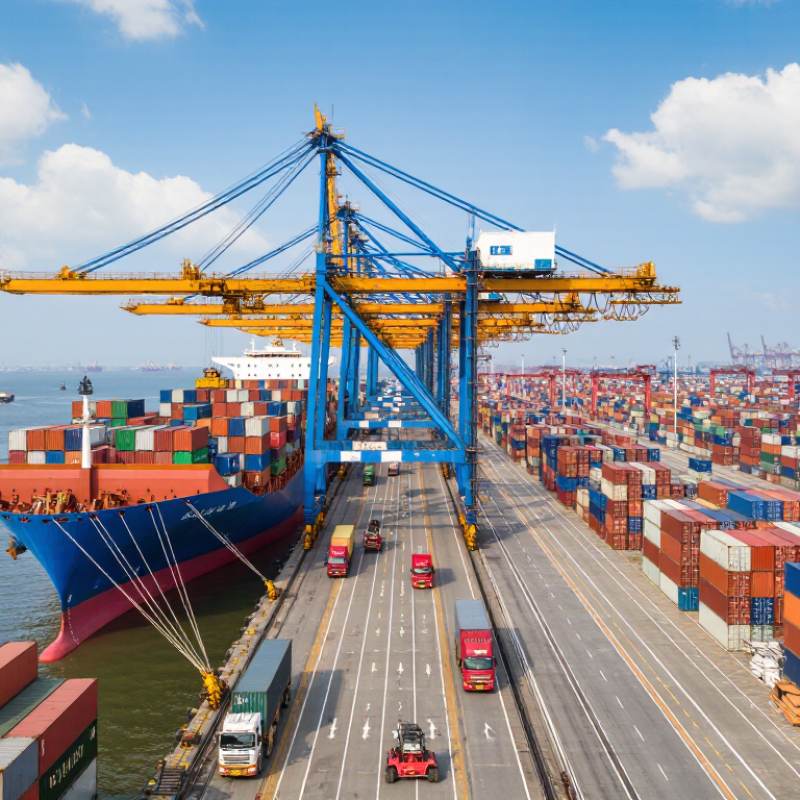
How Global Maritime Trade Moves Goods Across Borders
Global maritime trade carries raw materials and finished goods between producers, ports, and buyers. A shipment may leave a factory in a sealed container, cross an ocean, and arrive weeks later at a regional terminal. Buyers depend on more than the ship itself. Port handling, export documents, customs checks, and inland trucking all affect when goods reach a warehouse. Small delays matter. A missed connection can leave cartons waiting near cranes while delivery dates shift.
Before placing an order, buyers can ask where cargo will be loaded, how it will travel, and who tracks each handoff. Clear packing lists and accurate product descriptions help customs authorities check shipments. They also help warehouses prepare space, labor, and equipment. Tracking updates are useful, but they cannot remove uncertainty. Weather, congestion, and schedule changes can disrupt even carefully planned routes. Estimates are not promises. Buyers should leave room in inventory plans for these ordinary disruptions, especially when a component keeps production running. Even a careful plan can miss something; that uncertainty deserves attention.
The Role of Shipping in Product Availability and Choice
Why Does Global Maritime Trade Matter to Buyers?
The Role of Shipping in Product Availability and Choice
A product’s journey can shape what buyers find on a shelf. UNCTAD’s Review of Maritime Transport 2024 reports that over 80% of world trade in goods, by volume, is carried by sea. Ships connect distant producers with local markets, bringing items such as coffee, furniture, and phone components within reach. That connection is easy to overlook.
Shipping schedules, port congestion, and weather can affect when goods arrive. A delayed container may mean fewer sizes, colors, or models available at a shop. Buyers may then choose an alternative, wait longer, or pay more if supply is tight. Wider sourcing can offer more choice, but it does not remove disruption. The link is not always obvious, and buyers can underestimate how much a route matters.
Tips: Check delivery estimates and ask whether an item is in stock locally. For larger purchases, compare availability across sellers and allow extra time for imported goods. Estimates can change, so treat them as guidance—not promises.
How Ocean Freight Affects Prices and Delivery Times
Ocean freight affects buyer prices before a ship reaches port. UNCTAD’s Review of Maritime Transport 2024 reports that over 80% of global trade by volume moves by sea. When capacity tightens or ships take longer routes, fuel use and voyage times can rise. Extra costs may eventually reach landed prices for everyday goods, from furniture to machine parts. Not instantly. Contracts, stock already in warehouses, and currency changes can delay or soften the effect. Freight is only one part of a product’s final price.
Delivery estimates also need a margin of doubt. The World Bank’s Logistics Performance Index 2023 reports an average of 44 days from a shipment entering the exporting country’s port to leaving the destination port. The standard deviation was 10.5 days, showing meaningful variation around that average. Buyers may need extra stock when goods are seasonal or production depends on a single shipment. Yet holding too much inventory ties up cash. A neat estimate can still be wrong: port congestion, weather, and schedule changes can upset an otherwise careful plan.
The Risks Buyers Face in Global Shipping Networks
A purchase order can look settled while its cargo remains exposed to several moving parts. A vessel may miss a connection when a port queue grows, severe weather closes a berth, or a route changes. Even a few days can matter when stock is timed for a factory shift or a seasonal sales window. Shipping dates are estimates, not guarantees.
Buyers also face costs that are harder to see in a quoted freight rate. Fuel surcharges, storage fees, and currency movements can change the final landed cost. A mismatch between an invoice, packing list, and shipping instruction may hold up release while staff correct the records. One delayed container can leave a production line waiting for a small component. That detail is easy to miss.
Risk checks help, though they cannot remove uncertainty. Buyers can compare transit-time ranges, confirm who handles insurance and port charges, and ask suppliers how shipment changes will be reported. A simple buffer in stock may protect a launch, but it ties up cash and can leave excess inventory if demand falls. I would not treat a carrier’s average transit time as a firm delivery date; the route and season matter. Some uncertainty remains.
How Buyers Can Make Informed Shipping Decisions
Global maritime trade matters because a shipping choice can affect more than the freight bill. A vessel’s route, port congestion, and transfer schedule can change delivery timing. For buyers, that affects inventory levels, production plans, and cash flow. A low quoted rate may look attractive, yet exclude fees or allow little time for delays. Small details matter. Ask what the quote covers, when cargo is expected to arrive, and which milestones you can track. Treat estimated dates as planning guides, not promises.
Tips: Compare total landed costs, not freight rates alone. Check whether port handling, inland transport, insurance, and possible storage charges are included. Request a clear timeline with departure, transfer, and arrival estimates. Keep a modest buffer for disruption; the right amount depends on the route and your stock needs. Save written updates and confirm any changes before adjusting orders. It is easy to overlook one fee.
Before choosing a service, weigh speed, cost, and reliability against the value of the goods and the consequences of a late arrival. Ask how delays are communicated and what options exist if a connection is missed. For recurring shipments, compare actual delivery performance with earlier estimates. One shipment is not enough to judge a route, but repeated gaps can reveal planning risks. Buyers will not control every disruption, and sometimes the decision remains imperfect. Good information still makes trade-offs clearer.