What Is a Shipping Container and What Types Are There?
A shipping container is a reusable, load-bearing unit designed to move goods between ships, trains, and trucks. Its standardized fittings help equipment transfer it between transport modes without unloading every item. The familiar steel box is only one version. Standard dry containers commonly come in 20-foot and 40-foot lengths, while high-cube models provide extra interior height. That difference matters. A few extra inches can affect how bulky cargo fits, but it does not automatically increase the safe payload.
Other designs serve specific handling needs. Refrigerated containers use powered cooling systems for temperature-sensitive goods. Open-top models allow loading from above, and flat racks accommodate oversized cargo that cannot fit inside enclosed walls. Tank containers carry liquids in purpose-built vessels secured within a frame. Each type has trade-offs in usable space, access, equipment needs, and cost. The labels can be confusing, even for experienced buyers. A “40-foot” container, for example, does not have 40 feet of usable interior length.
Choosing a shipping container starts with the cargo’s dimensions, weight, handling method, and required conditions. Check the unit’s actual internal measurements and rating plate rather than relying on its name alone. For refrigerated units, confirm power requirements and temperature capabilities with the supplier. Specifications can vary by manufacturer and model. This overview introduces the main container types and explains where each may fit. One detail is easy to miss: the most specialized option is not always the most practical one.
Definition and Core Purpose of a Shipping Container
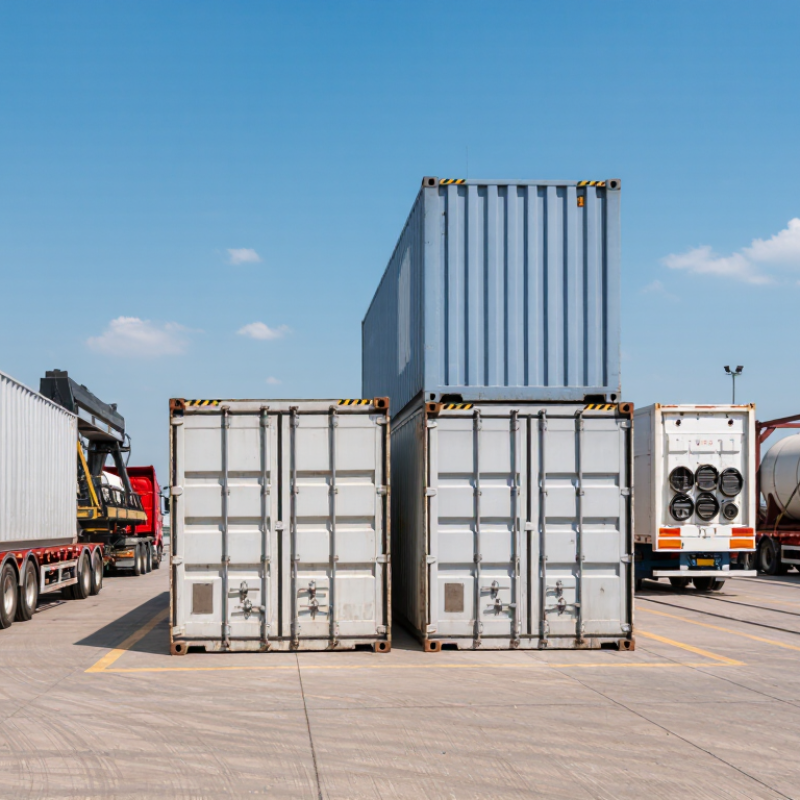
A shipping container is a rigid, reusable cargo unit designed to hold goods during transport and storage. Most are built with steel walls, a strong floor, locking doors, and reinforced corner fittings. These features help the container withstand lifting, stacking, and long journeys by ship, rail, or truck. It is more than a large metal box.
Its core purpose is to keep cargo together as it moves between transport methods. A crane can lift the container from a ship onto a truck without unloading every carton inside. That saves handling time and reduces the chance of items shifting or getting damaged. Inside, cargo may be secured with straps, blocks, or other suitable supports. The container itself does not guarantee that goods will stay safe; careful packing still matters.
Containers come in common standardized sizes, which helps equipment handle them across different stages of a journey. Many have sealed doors and weather-resistant construction, but they are not necessarily airtight or suitable for every storage condition. Rain can find a weak seal. I have to admit, “weather-resistant” can sound more reassuring than it should. Before use, people typically check the floor, door seals, and visible damage, since a small defect may affect how well the unit protects its contents.
How Shipping Containers Are Built and Standardized
What Is a Shipping Container and What Types Are There?
How Shipping Containers Are Built and Standardized
A shipping container is a strong, reusable steel unit designed for repeated lifting and transport. Most dry containers use corrugated steel walls, which add stiffness without making each panel solid. A timber-based floor rests on steel cross-members, while corner castings let cranes lift and stack the box. The details matter. Small differences can affect how containers fit aboard ships, trains, and trucks.
ISO 668 sets standard container dimensions and ratings, while ISO 1496 specifies testing requirements for different container types. Common general-purpose units are 20 or 40 feet long, typically 8 feet wide; high-cube versions add height. These standards help equipment connect and stack predictably, though actual internal space varies with wall thickness and fittings. UNCTAD’s Review of Maritime Transport 2024 reports that global container-port traffic reached about 858.9 million TEU in 2023. That scale makes shared dimensions practical. Not every container is identical.
Builders weld the frame, attach panels, seal the doors, and check the finished unit against its rated load and test requirements. A container’s identification and safety markings help operators verify its specifications. Still, a standard is not a promise of perfect condition. Corrosion, repairs, and worn door seals deserve careful inspection. The corrugations look simple. They are doing real work.
Key Features That Enable Intermodal Transport
Shipping containers are standardized steel or aluminum boxes built to carry cargo by ship, rail, and truck. Their common dimensions let cranes, chassis, and rail cars handle them with predictable clearances. That consistency supports intermodal transport: cargo can remain inside one container as the transport mode changes. Fewer transfers can reduce handling delays and exposure to rain or rough loading.
Several features make this system work. Corner castings provide secure points for lifting, stacking, and locking containers onto vehicles. Reinforced frames support stacked loads, while corrugated steel panels add strength. Doors at one end allow access, and intact rubber seals help keep out water. Container types include standard dry, refrigerated, open-top, and flat-rack models. Each suits different cargo, but none fits every route. A damaged corner fitting or worn door seal can affect safe handling and weather protection. Small details matter. Yet container condition is easy to overlook when schedules are tight.
Tips: Before loading, inspect the floor, door seals, and corner fittings. Check dimensions and payload against the equipment being used, not just an estimate. A quick inspection helps.
What Is a Shipping Container and What Types Are There?
Representative external dimensions of common dry freight containers
Why these features matter: Standardized dimensions and corner fittings let containers be lifted and secured across ships, railcars, and trucks. A high-cube container provides extra internal height. Dimensions shown are representative nominal external measurements and may vary slightly.
Common Types of Shipping Containers and Their Uses
What Is a Shipping Container and What Types Are There?
Common Types of Shipping Containers and Their Uses
A shipping container is a standardized steel unit designed to move cargo between ships, trains, and trucks. UNCTAD’s Review of Maritime Transport 2024 reports that over 80% of global goods trade by volume travels by sea. That figure covers seaborne trade broadly, not container cargo alone. The distinction matters. Dry containers, commonly 20 or 40 feet long, carry boxed goods, furniture, and machinery. They suit everyday freight, but they are not ideal for cargo needing temperature control.
Refrigerated containers, or reefers, maintain set temperatures for produce, dairy, and other sensitive goods. Open-top containers allow tall cargo to be loaded from above, while flat racks support heavy or unusually shaped items such as machinery. Tank containers are built for bulk liquids and gases. A container type should match the cargo’s dimensions, weight, and handling needs—not just its name. The neat categories can mislead; real cargo often needs careful checks before loading.
Tips: Confirm internal dimensions and payload limits with the carrier, since fittings and insulation reduce usable space. For refrigerated loads, check the required temperature and airflow. Small details matter. A few centimeters can change the plan.
How to Choose a Container for Different Cargo Needs
Choosing a shipping container starts with the cargo’s dimensions, weight, and handling needs. Measure the longest item, including packaging, and leave room for safe loading. A standard dry container suits boxed goods, furniture, and equipment that need protection from weather. Measure twice. Tall but relatively light cargo may fit better in a high-cube container, which offers extra interior height. Check the door opening too; interior space is not the same as usable loading space.
Temperature-sensitive goods may need a refrigerated container, but confirm its operating range and power requirements before booking. Cold cargo needs control. An open-top container can help with tall items loaded by crane, while a flat rack accommodates oversized cargo that cannot fit inside enclosed walls. These options can require special lifting or securing arrangements, so discuss the loading plan with the transport provider.
Cargo weight matters as much as volume. Heavy machinery can reach a container’s weight limit while leaving much of its space empty. Unevenly distributed weight may also create handling problems. A tidy estimate can still miss small details, such as pallet height or space needed for straps. Check the container’s specifications, payload limits, and condition, then compare them with the actual cargo and route requirements.