How to Import Conex Shipping Containers for Global Trade?
In the world of global trade, understanding the nuances of importing conex shipping containers is crucial for success. Experts like John Thompson, a seasoned consultant in the shipping industry, emphasize the importance of precision. He famously stated, "Navigating the complexities of conex shipping is key for businesses wishing to thrive internationally." This highlights the need for a solid grasp of shipping logistics.
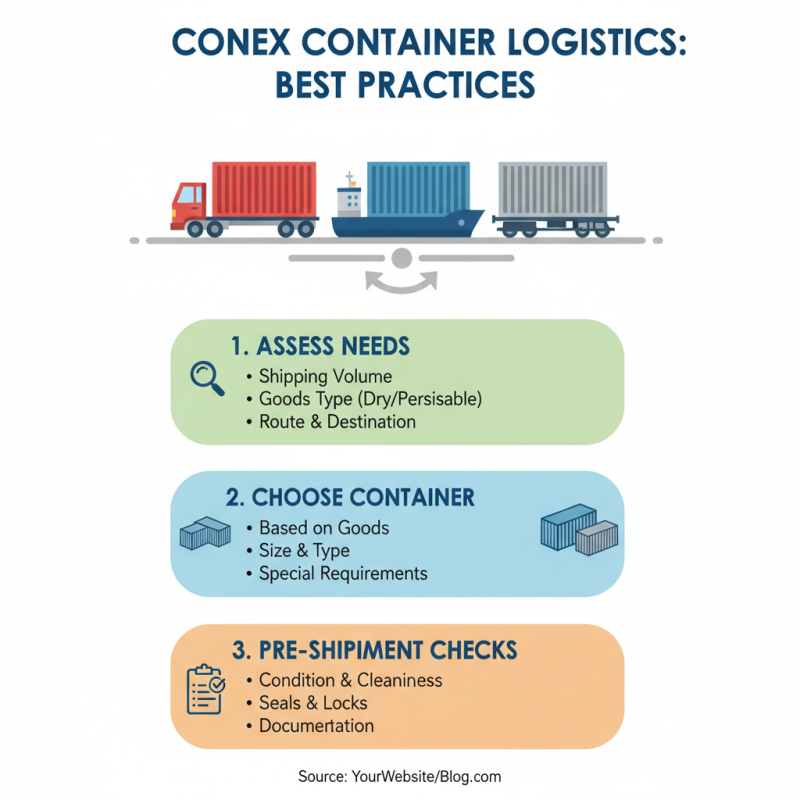
The process of importing conex shipping containers involves many steps. From selecting the right supplier to understanding customs regulations, each detail matters. Companies must ensure they choose reliable shipping partners. This can often dim the excitement of global trade, as the finer details require attention and care. Importing containers is not a straightforward task; it demands a strategic approach.
Challenges can arise unexpectedly. Delays at ports or paperwork issues can disrupt timelines. Contingency planning is essential for mitigating these risks. As trade evolves, so too does the landscape of shipping. Staying informed and adaptable is vital in maintaining a competitive edge.
Understanding the Basics of Conex Shipping Containers
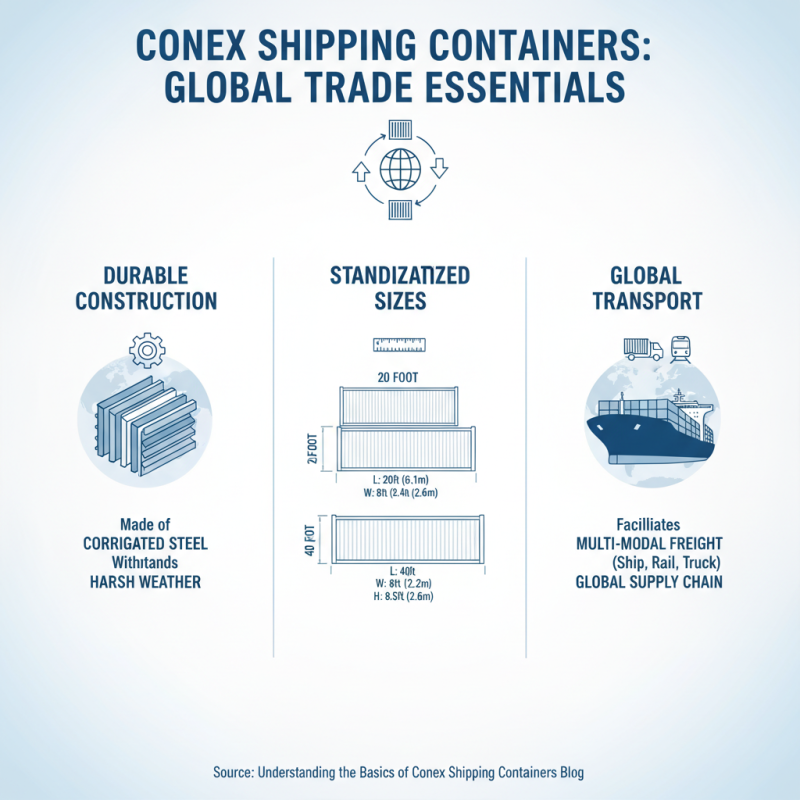
Conex shipping containers are essential for global trade. They provide a standardized way to transport goods across various modes of transportation. Made of durable steel, these containers come in various sizes, the most common being 20 and 40-foot options. Each container is designed to withstand harsh weather conditions, making them ideal for international shipping.
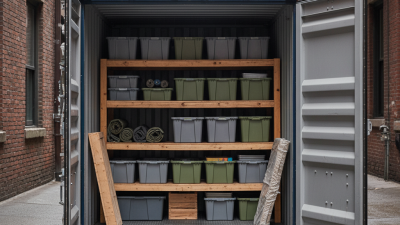
Understanding the structure of a Conex container is critical. Each unit features doors at one end, typically reinforced to ensure security. Inside, there are various configurations, allowing for specific storage needs. However, not all containers are created equal. Some may show signs of wear and tear or may not be suitable for long-term storage. Inspecting containers before purchase is vital to avoid potential issues.
Moreover, proper documentation is key when importing these containers. Shipping regulations vary by country, and compliance is necessary to avoid delays. It can be frustrating to navigate this process, especially with constantly changing rules. Keeping abreast of trade agreements and customs requirements will save time and resources. Emphasizing reliability in your sourcing and clear communication with suppliers is paramount in ensuring smooth operations.
Identifying Import Regulations for Conex Containers
When importing Conex shipping containers, understanding import regulations is crucial. Different countries have specific rules for shipping containers. These regulations often include safety standards, environmental laws, and customs requirements. Be aware that non-compliance can lead to delays. Each country's regulations can vary significantly.
It’s essential to research these regulations before your order. Check with local customs offices. They can provide insight on necessary documents such as import permits. Documentation is key in ensuring a smooth process. Misunderstandings about required paperwork can result in unnecessary expenses.
Tips: Keep records of all communications. They provide clarity if issues arise. Establish a relationship with a reliable customs broker. They can navigate complex regulations. Additionally, remain adaptable to any changes in regulations. This will help you avoid pitfalls along the way. Always follow up on updates regarding import laws. Staying informed is your best strategy.
How to Import Conex Shipping Containers for Global Trade? - Identifying Import Regulations for Conex Containers
| Country |
Import Regulations |
Customs Duties (%) |
Required Documents |
Average Shipping Time |
| United States |
Compliance with ANSI standards |
0-5% |
Bill of Lading, Import License |
2-3 weeks |
| Canada |
Follow CSA standards |
5-10% |
Commercial Invoice, Bill of Lading |
3-4 weeks |
| Australia |
Must meet Australian Customs requirements |
10% |
Import Declaration, Receipt of Payment |
4-6 weeks |
| Germany |
Adherence to EU import regulations |
3-7% |
Customs Declaration, Commercial Invoice |
2-3 weeks |
| Japan |
Must comply with JIS standards |
0-5% |
Import License, Bill of Lading |
3-5 weeks |
Choosing the Right Shipping Method for Global Trade
When importing conex shipping containers, selecting the right shipping method is crucial for efficiency. Different shipping modalities can significantly impact costs and delivery times. According to industry reports, maritime freight accounts for nearly 90% of global trade volume. This statistic underscores the importance of choosing an appropriate shipping method that aligns with your specific trade needs.
For instance, using ocean freight can be more economical for larger shipments. However, it may involve longer transit times. Air freight, in contrast, offers faster delivery but usually comes at a higher cost. A 2023 report indicated that air freight costs can be three to five times higher than ocean freight depending on the distance and weight of the cargo. This disparity can lead to difficult budgeting decisions for businesses.
Another factor to consider is reliability. Not all shipping methods guarantee prompt delivery. Disruptions can occur due to weather, port congestion, or customs delays. Recent data suggests that 30% of shipments experience unexpected delays. This statistic emphasizes the need for thorough planning and contingency measures. It is vital to evaluate both urgency and cost-effectiveness when determining the best shipping method for your global trade activities.
Navigating Customs Procedures for Container Importation
Navigating customs procedures for importing Conex shipping containers is critical for businesses involved in global trade. When containers arrive, customs officers must verify compliance with international and local regulations. Failure to follow these regulations can lead to delays and increased costs. According to the World Trade Organization (WTO), improper documentation can delay clearance by an average of 48 hours, significantly impacting supply chain efficiency.
Understanding specific customs documentation is essential. Businesses need to prepare the Bill of Lading, Import Declaration, and possibly a Certificate of Origin. Inadequate or incorrect paperwork increases the odds of inspections, leading to further delays. The International Chamber of Commerce reports that 30% of shipping delays are due to customs issues. Companies must ensure their documentation is complete and accurate.
Physical inspections of containers can occur, adding further complexity. These inspections can disrupt schedules and incur additional fees. A study by the Global Trade Compliance estimates that delays from customs procedures can cost businesses up to $75,000 per incident. It's vital to develop relationships with customs officials and keep abreast of changing regulations. Trade laws evolve, necessitating ongoing education and adaptive strategies.
Importing Conex Shipping Containers: Monthly Import Trends