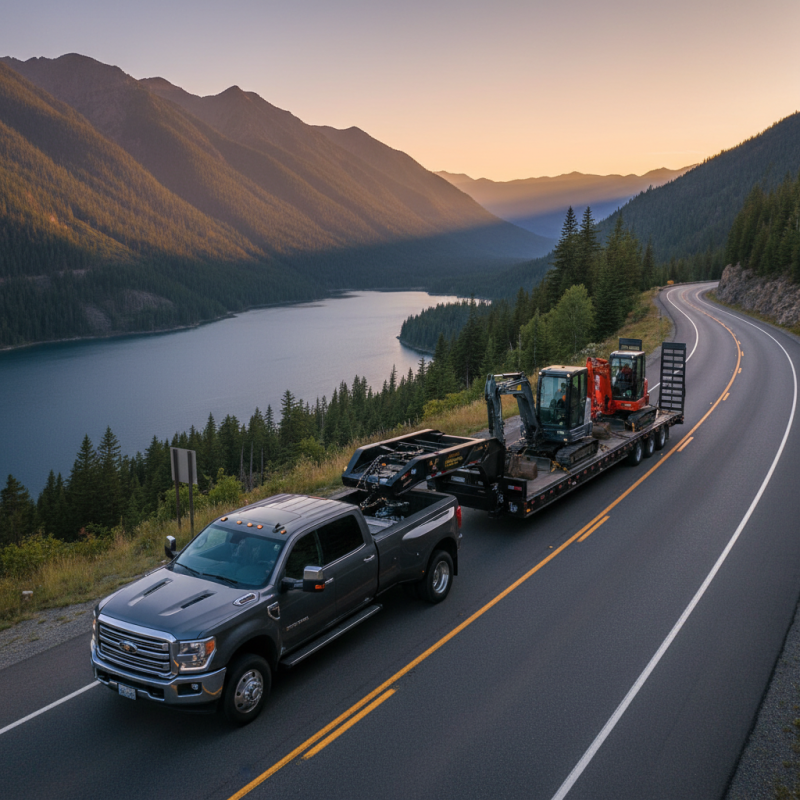
What Is a Gooseneck Trailer and How Does It Work?
A Gooseneck Trailer is a popular choice for transporting large loads. Its unique design allows for better weight distribution and stability. This type of trailer features a curved, gooseneck hitch that connects to the truck bed.
Many people are drawn to Gooseneck Trailers for their capacity. They are suitable for hauling everything from livestock to heavy equipment. However, using a Gooseneck Trailer requires some skill and knowledge. It’s important to check the trailer's weight limits. Miscalculating can lead to dangerous situations on the road.
Consider the visibility while towing a Gooseneck Trailer. The extended length may make parking tricky. Drivers need to be mindful of the trailer’s size. Despite these challenges, many find Gooseneck Trailers easy to maneuver with practice. Understanding how they work enhances safety and efficiency in your hauling experience.
What Is a Gooseneck Trailer?
A gooseneck trailer is a type of heavy-duty trailer that connects to the bed of a pickup truck. This trailer design features a long neck that extends over the truck's bed, creating a strong pivot point. This unique connection allows for better weight distribution and stability while towing. It is commonly used for hauling large loads such as livestock, equipment, and vehicles.
The design of a gooseneck trailer offers numerous advantages. For instance, it provides a tighter turning radius compared to bumper-pull trailers. This makes maneuvering in tight spaces easier but also requires careful handling. The connection point may not be suitable for every truck, leading to potential compatibility issues. Moreover, proper loading and unloading are essential for safety. Failing to do so can result in swaying while driving or even accidents.
Gooseneck trailers come in various sizes and configurations, making them versatile for different hauling needs. They can be open or enclosed, depending on the cargo type. Some come with features like built-in ramps or adjustable height options. However, if not used correctly, they may cause damage to both the trailer and truck. Owners must regularly inspect and maintain their equipment to prevent problems. Consideration for these details can significantly impact the effectiveness of transporting loads safely.
Key Features of Gooseneck Trailers
Gooseneck trailers are essential in heavy-duty hauling. They have a unique design featuring a hitch that is attached in the bed of a pickup truck. This design allows for better weight distribution, making them ideal for transporting large loads. According to industry reports, gooseneck trailers can support loads up to 30,000 pounds. This capability makes them popular among farmers, contractors, and recreational vehicle enthusiasts.
Key features of gooseneck trailers include a higher stability than standard trailers. The connection point distributes weight over the truck's axle. This reduces the risk of swaying, especially on uneven terrain. Furthermore, the longer design provides better maneuverability. The turning radius is tighter, which is crucial for navigating narrow spaces. It's important to note that while they offer numerous advantages, they also require proper maintenance. Users must routinely check the hitch and the tires.
Customization options are another appealing aspect. Many gooseneck trailers come with built-in ramps, tool compartments, or specialized flooring. These features enhance functionality and improve efficiency during loading and unloading. However, potential buyers should reflect on their needs before making a decision. Understanding the weight limits and the types of loads you plan to carry is crucial.
How Gooseneck Trailers Work: A Detailed Overview
Gooseneck trailers are popular for their versatility in transporting heavy loads. These trailers have a unique design that connects to a truck's gooseneck hitch. This setup enables a tighter turning radius compared to traditional bumper pull trailers. According to the National Association of Trailer Manufacturers, the market for gooseneck trailers has steadily increased, with a notable rise in demand for equipment and livestock transport.
The key to their effectiveness lies in their weight distribution. The design shifts the weight of the trailer over the truck's rear axle. This reduces the risk of swaying and enhances stability while driving. A gooseneck trailer can typically support loads ranging from 7,000 to 30,000 pounds, making them ideal for hauling items such as construction machinery or livestock.
**Tip:** Ensure your hitch is properly rated for the load you intend to transport. An under-rated hitch can lead to accidents or trailer damage.
It's essential to maintain your gooseneck trailer well. Regular checks on tires, brakes, and the hitch connection contribute to safer towing experiences. Keep track of wear and tear. A neglected trailer may result in mechanical failures during transportation, leading to potential hazards on the road. Always assess your load distribution to prevent uneven wear on tires.
**Tip:** Inspect your trailer regularly, especially before long trips. A little maintenance goes a long way in ensuring safety.
Gooseneck Trailer Overview
| Feature | Description |
| Design | A gooseneck trailer features a long neck that extends over the bed of a pickup truck, providing superior stability and weight distribution. |
| Load Capacity | Gooseneck trailers typically have higher load capacities ranging from 7,000 to 30,000 pounds, making them ideal for transporting heavy equipment. |
| Connection | They connect to the truck using a gooseneck coupler, which provides a pivot point above the truck bed for improved maneuverability. |
| Usage | Commonly used for hauling livestock, construction materials, and heavy machinery within agriculture, construction, and transport industries. |
| Types | Includes flatbed, enclosed, and car hauler models, each designed for different types of loads and activities. |
| Advantages | Offers better stability compared to traditional bumper pull trailers, easier towing, and enhanced maneuverability in tight spaces. |
| Disadvantages | Requires a compatible truck with a gooseneck hitch and may have a steeper learning curve for new users. |
The Advantages of Using Gooseneck Trailers
Gooseneck trailers have gained popularity due to their unique design and functionality. They connect to a hitch installed in the truck bed, providing a stable towing experience. This design allows for better weight distribution and improved maneuverability. Many find them ideal for transporting heavy loads.
One major advantage is their increased capacity. Gooseneck trailers can typically haul more weight than standard bumper pull trailers. This is crucial for those needing to move large equipment or livestock. Additionally, the lowered bed height offers easier loading and unloading. You can secure loads better, reducing the risk of shifting during transit.
Tips: Always ensure your truck's hitch can handle the trailer's weight. Doing a quick inspection before a long trip can save time and trouble. It’s wise to practice maneuvering with the trailer before hitting the road. Not everyone finds this easy; practice makes it better.
Gooseneck trailers also provide versatility. They come in various styles and sizes, suitable for different needs. Yet, stability is not guaranteed. Proper loading and securing of cargo are vital to avoid accidents. Every journey should begin with careful preparation to ensure a smooth ride.
Common Uses for Gooseneck Trailers in Various Industries
Gooseneck trailers are versatile tools in numerous industries. They are widely used in agriculture. Farmers utilize these trailers to transport large equipment and livestock. According to a report from the American Farm Bureau, about 70% of farms in the U.S. rely on such trailers for their operations.
Another significant use is in construction. Gooseneck trailers easily carry heavy machinery like excavators and backhoes. This efficiency increases productivity on job sites. The construction sector has seen a rise in gooseneck trailer usage by over 40% in recent years due to their reliability.
Tips: Always check weight limits before loading. This ensures safety on the road. Consider investing in a gooseneck trailer with adjustable features for added versatility.
Moreover, they are commonly used for transporting boats and RVs. Many outdoor enthusiasts prefer gooseneck trailers for their stability. However, it’s essential to remember that not all vehicles can tow these trailers. Researching your vehicle's towing capacity is crucial. This may prevent potential damages that can occur from improper towing.