
What Is an Electric Scooter Ebike and How Does It Work?
An Electric Scooter Ebike combines compact scooter proportions with bicycle-style electric assistance. It usually includes a rechargeable lithium-ion battery, brushless hub motor, controller, throttle, and braking sensors. Some models add pedals, while others depend only on a thumb throttle. The exact design matters. A pedal-assist system responds to rider input, but a throttle system delivers power directly. That difference affects control, range, maintenance, and local classification.
Market data shows why this category deserves careful attention. Grand View Research valued the global electric bike market at approximately USD 37.47 billion in 2022. Its report projects a 9.9% compound annual growth rate from 2023 to 2030. Fortune Business Insights also expects strong expansion in electric scooter demand. However, research firms use different definitions. Their numbers should not be treated as perfectly comparable. That is an easy detail to miss.
Horace Dediu, a leading micromobility analyst and founder of Asymco, described the broader field this way: “Micromobility is the movement of people in vehicles weighing less than 500 kilograms.” His definition helps explain the appeal of an Electric Scooter Ebike. It occupies less street space than a car and can cover short urban trips efficiently. A rider may charge it beside a desk, then travel across cracked pavement, bike lanes, or crowded neighborhood streets. Real performance depends on rider weight, tire pressure, temperature, hills, and battery age. Advertised range can disappoint. This guide examines the machine honestly, including how its electrical system works, what the specifications really mean, and where practical limitations remain.
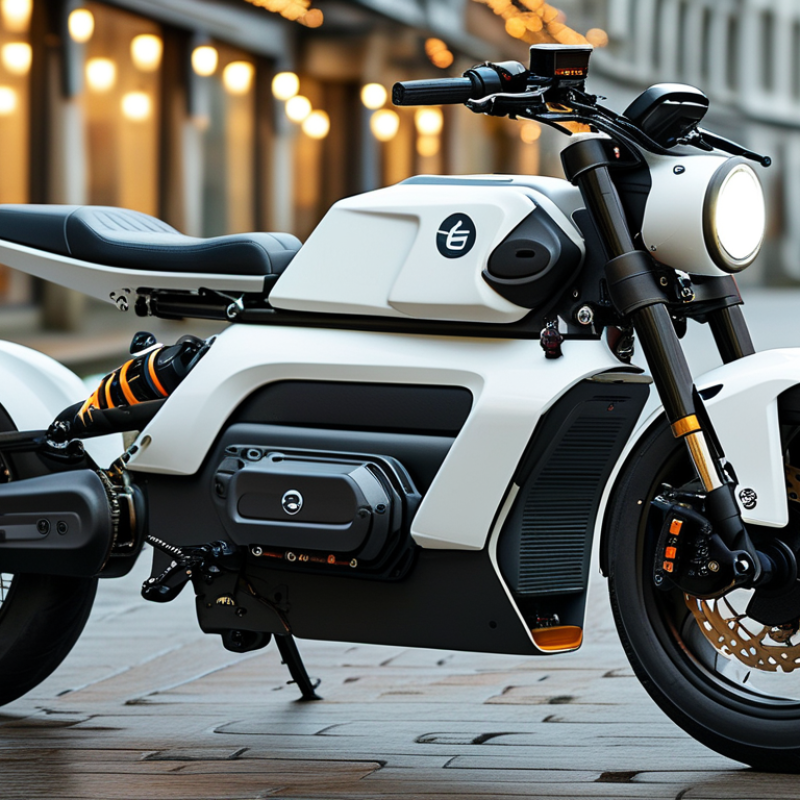
What Is an Electric Scooter Ebike?
What Is an Electric Scooter Ebike?
An electric scooter ebike is a compact personal vehicle that combines scooter stability with bicycle-style electric assistance. The term is not fully standardized, so designs can vary. Some models have a wide standing deck, while others include pedals, a saddle, or both. Unlike a regular kick scooter, it uses a rechargeable battery and an electric motor to support movement.
The battery sends energy to the motor through a controller. A throttle may activate the motor directly, while pedal sensors can start assistance when the rider pedals. Braking levers usually cut motor power for better control. On a typical ride, the display shows speed and battery level. Wind, hills, rider weight, tire pressure, and temperature can change the actual range. Advertised figures may feel optimistic. That is worth remembering.
Tips: Check the brakes, tire pressure, folding joints, and battery casing before riding. Keep both hands on the controls and slow down near pedestrians, wet surfaces, and parked vehicles. Learn the local rules for speed, helmets, road access, and equipment. A short practice ride helps reveal handling problems before a longer trip. Charge the battery with the recommended equipment, and stop using it if you notice swelling, unusual heat, or damage.
What Is an Electric Scooter Ebike and How Does It Work? - What Is an Electric Scooter Ebike?
| Data Dimension | Typical Information | How It Relates to Operation |
|---|---|---|
| Vehicle Category | A compact two-wheeled electric vehicle that combines scooter-style standing operation with bicycle-style electric drive components. | The rider generally stands on a deck, steers with handlebars, and uses an electric motor for assisted movement. |
| Main Power Source | Rechargeable lithium-ion battery pack. | The battery stores direct-current electrical energy and supplies it to the motor controller. |
| Common Battery Voltage | Approximately 24–52 volts, depending on the vehicle design. | Higher-voltage systems can support efficient power delivery, but performance also depends on motor output, rider weight, terrain, and current limits. |
| Motor Type | Usually a brushless hub motor integrated into the front or rear wheel. | The motor converts electrical energy into rotational force that turns the wheel and moves the vehicle. |
| Typical Motor Output | Approximately 250–1,000 watts of rated or peak output, depending on the model and local regulations. | Motor power affects acceleration and hill-climbing ability; it does not determine range by itself. |
| Control System | Electronic controller, throttle, display, and safety sensors. | The controller regulates current sent to the motor according to throttle input, speed limits, braking signals, and battery conditions. |
| Rider Input | Most models use a thumb or twist throttle; some may also include pedal-assist sensors. | The input signal tells the controller how much electrical power to deliver to the motor. |
| Typical Maximum Speed | Approximately 16–32 km/h (10–20 mph), subject to vehicle design and local law. | The top speed is controlled electronically and can also be reduced by low battery charge, steep grades, or heavy loads. |
| Typical Riding Range | Approximately 15–50 km (9–31 miles) per charge for many compact models. | Actual range varies with battery capacity, speed, rider mass, tire pressure, temperature, wind, terrain, and riding style. |
| Battery Capacity | Often approximately 200–700 watt-hours (Wh). | Battery energy can be estimated as voltage multiplied by ampere-hours: Wh = V × Ah. |
| Charging Time | Approximately 4–8 hours using the supplied charger. | Charging time depends on battery capacity, charger output, battery temperature, and the battery management system. |
| Braking System | Electronic braking combined with a mechanical disc, drum, or regenerative braking system. | Braking cuts motor power and creates friction or electrical resistance to slow the wheels. Mechanical brakes provide the primary stopping force on many vehicles. |
| Frame and Deck | Typically made from aluminum alloy or steel, with a standing deck and folding or fixed steering column. | The frame supports the rider, battery, motor, and control components while maintaining stability during acceleration and braking. |
| Tire Sizes | Commonly approximately 8–12 inches in diameter. | Larger tires generally roll more smoothly over uneven surfaces, while smaller tires can support a compact design. |
| Load Capacity | Often approximately 90–120 kg (198–265 lb), but the approved limit must be checked for each vehicle. | Higher loads can reduce acceleration, climbing performance, braking distance, and available range. |
| Safety Features | Front and rear lights, reflectors, a bell or horn, speed display, battery protection, and sometimes turn signals. | These features improve visibility, provide operating information, and help protect the battery from overcharging, overheating, or excessive discharge. |
| Environmental Conditions | Performance is affected by cold temperatures, rain, strong wind, steep slopes, and rough surfaces. | Weather and terrain increase energy consumption and may affect traction, braking, battery output, and component safety. |
| Basic Maintenance | Check tire pressure, brake function, fasteners, lights, battery condition, and charging equipment regularly. | Routine checks help preserve range, handling, braking performance, and battery life. |