2026 How to Use Mobile Container for Efficient Shipping Solutions?
The rise of mobile containers is transforming shipping practices. These innovative solutions enhance efficiency by adapting to diverse logistics needs. With mobile containers, businesses can overcome traditional challenges, like space constraints and transport delays.
Mobile containers come in various sizes. This versatility allows for better optimization of shipping routes. They can be easily transported by trucks, trains, or ships. Yet, not every business has embraced this change. Some struggle with the transition from conventional shipping methods. There's a learning curve involved.
While mobile containers offer many advantages, they come with their complexities. It’s crucial for companies to consider their specific requirements. Reflecting on their unique situations can lead to better decision-making. Evaluating the benefits and challenges of mobile containers is essential. It’s a journey worth taking for improved shipping efficiency.
Understanding Mobile Containers and Their Benefits for Shipping
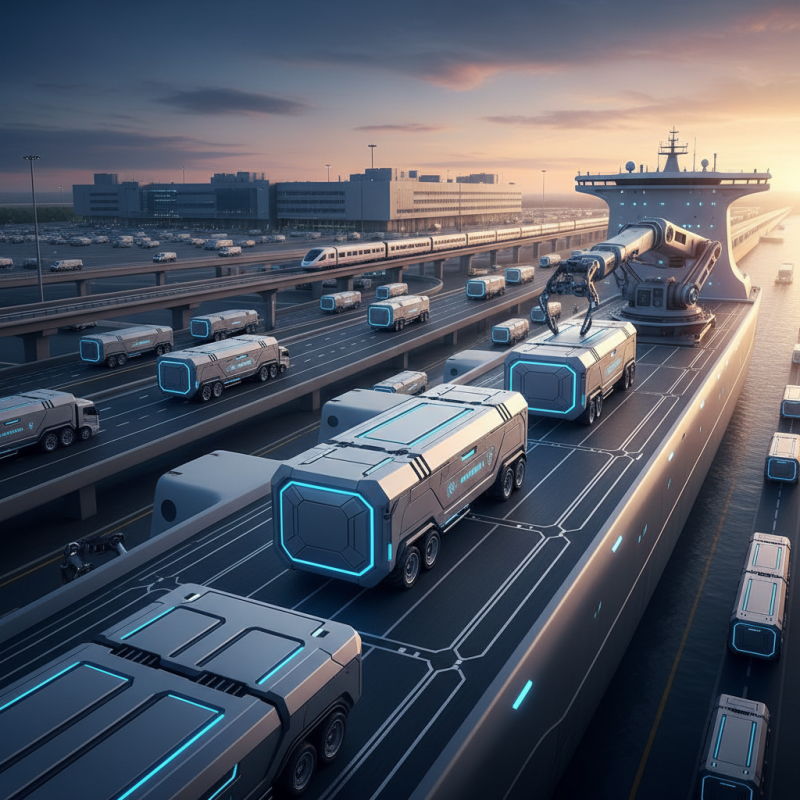
Mobile containers are revolutionizing shipping efficiency. They are designed to be flexible and adaptable. These containers can easily be moved and stacked. Their mobility allows for quick deployment at various locations.
Efficiency is not merely about speed. It's also about cost-effectiveness. Using mobile containers can reduce transportation delays. They can be transported by land, sea, or air. This flexibility is a game-changer in logistics.
Tips: Optimize your load. Ensure containers are full to minimize trips. Monitor container conditions closely. Regular maintenance prevents delays.
Mobile containers also enhance supply chain transparency. You can track them in real-time. However, relying too much on technology can be risky. Ensure there is a backup process in place for outages. Consider training for your team. Awareness of how to handle issues is crucial.
Types of Mobile Containers Used in the Shipping Industry
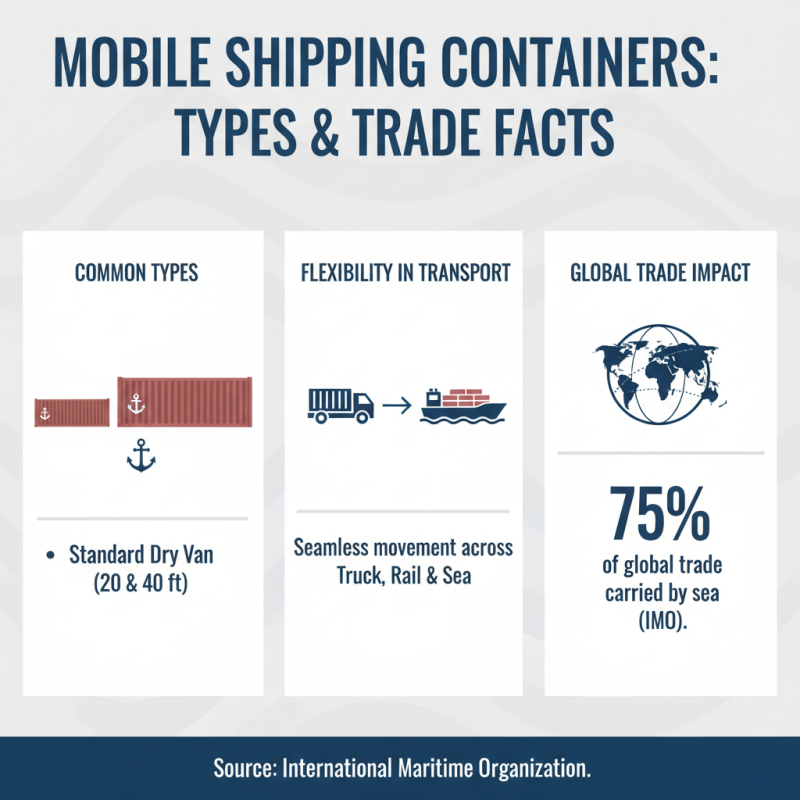
In the shipping industry, mobile containers come in various types. These containers enhance flexibility in transporting goods. Standard shipping containers are most common. They typically measure 20 or 40 feet in length. According to the International Maritime Organization, nearly 75% of global trade is carried by sea. This underscores the importance of effective container use.
Reefer containers are essential for transporting temperature-sensitive cargo. They maintain specific temperature ranges during transit. Data from the World Shipping Council shows a 15% increase in demand for refrigerated transport over the past five years. However, their energy consumption raises concerns. Shipping companies need to evaluate the environmental impact of these units.
Another popular type is the flat rack container. These containers support oversized cargo that traditional containers cannot accommodate. They require careful loading and securing. Mishandling can lead to damage. In 2021, incidents involving cargo loss were reported to have increased by 10%. This highlights the need for better training in handling mobile containers. Each type serves a unique purpose, but reflects ongoing challenges in the shipping sector.
Key Features of Mobile Containers for Efficient Shipping Solutions
Mobile containers are transforming the shipping industry. They offer flexibility and efficiency in logistics. One key feature is their modular design. This allows easy stacking and transport. A study from the International Maritime Organization shows that mobile container systems improve space utilization by up to 30%. This feature helps reduce costs for companies and enhances delivery speed.
Another vital aspect is their robust construction. These containers are built to withstand harsh environments. Data from the Shipping Industry Research Group indicates that durable containers decrease damage rates by nearly 25%. This potentially saves businesses money on repairs and replacements. However, there is room for improvement. Not all mobile containers are compatible with existing systems. Companies may face challenges in integrating new solutions.
Additionally, mobile containers can be equipped with real-time tracking technology. This feature keeps shippers informed about their cargo. According to a report by the Global Logistics Association, enhanced tracking reduces lost shipments by up to 15%. Despite these advances, some companies still struggle with adopting the latest technologies. They must tackle the balance of cost versus efficiency. Embracing mobile containers can lead to better shipping solutions, yet obstacles remain.
Best Practices for Utilizing Mobile Containers in Logistics
Mobile containers are revolutionizing logistics, but maximizing their efficiency requires best practices. Efficient utilization of mobile containers can reduce shipping costs by up to 30%. Flexibility plays a key role. Companies must adapt to dynamic market demands. This involves regularly assessing loading capacities and transport routes.
One challenge is proper container management. It’s crucial to track container availability in real time. A report suggests that 80% of logistics managers struggle with precise tracking. This can lead to underutilization or over-dependence on certain containers. Investing in technology, such as IoT devices, can improve this situation.
Another aspect is maintenance. Neglected containers can incur significant repair costs. Regular inspections and a proactive maintenance schedule help mitigate risks. Companies often overlook this. A study indicated that 25% of mobile container users face unexpected downtime. Simple improvements can create a more efficient shipping process, enhancing overall productivity.
Future Trends in Mobile Container Usage for Shipping Efficiency
The future of mobile container usage is bright. As shipping industries evolve, efficiency becomes more crucial. Mobile containers offer flexibility and adaptability in logistics. Their design allows for quick loading and unloading, minimizing idle time. This feature can significantly reduce overall transit times.
Tips: Use customizable mobile containers to match your specific shipping needs. This can impact costs directly. Ensure that all containers are lightweight yet durable. This enhances overall transport efficiency.
Emerging technologies promise to improve the efficiency further. Automated tracking systems will soon become standard. Real-time data can enhance route planning. However, challenges persist. Some companies may struggle with adapting to new technologies. Staff training is vital but often overlooked. Improving this ensures success.
Tips: Regular training sessions can keep your team updated. Encourage a culture of innovation and adaptation. Explore partnerships with tech providers for smoother transitions.
2026 How to Use Mobile Container for Efficient Shipping Solutions? - Future Trends in Mobile Container Usage for Shipping Efficiency
| Container Type |
Capacity (CBM) |
Weight Limit (KG) |
Possible Uses |
Future Trends |
| Standard Container |
30 |
24000 |
General Cargo |
Smart Monitoring |
| Reefer Container |
28 |
21000 |
Perishable Goods |
Energy Efficiency |
| Open Top Container |
30 |
24000 |
Heavy Machinery |
Modular Shipping |
| Flat Rack Container |
28 |
30000 |
Industrial Projects |
Automated Handling |
| Tank Container |
25 |
26000 |
Liquids & Chemicals |
Safety Enhancements |