What is the Cost of a 40 ft Container for Global Shipping?
The cost of a 40 ft container for global shipping is a critical concern for businesses today. According to the World Bank's Logistics Performance Index, efficient shipping plays a vital role in global trade. Experts estimate that 80% of worldwide goods travel via shipping containers. Dr. Emily Chen, a shipping logistics expert, emphasizes, "Understanding container costs is essential to optimize supply chains."
Various factors influence the shipping costs of a 40 ft container. These include distance, fuel prices, and port fees. Recently, the average cost of shipping a 40 ft container from Asia to the U.S. has fluctuated significantly, with reports indicating a rise from $1,200 to over $4,000 in just a few months. This variance can lead to confusion for shippers aiming to budget effectively.
It’s essential to recognize that delays and disruptions can complicate the pricing landscape. The pandemic highlighted vulnerabilities within global shipping networks. As Dr. Chen notes, "Challenges will always exist; adaptability is key." Reflecting on these issues encourages stakeholders to rethink their strategies for cost management. Understanding the dynamics surrounding the 40 ft container is crucial for informed decision-making in an unpredictable market.
Understanding the Basics of 40 ft Container Shipping Costs
Shipping a 40 ft container globally involves several cost factors. The main elements include shipping fees, customs duties, and insurance. These costs can fluctuate based on various factors like the shipping route and fuel prices. Generally, a 40 ft container is suitable for transporting large volumes of goods. It offers a significant advantage for businesses aiming to minimize third-party logistics costs.
When calculating the overall expenses, consider hidden fees. Terminal handling charges, documentation fees, and inland transportation can add up quickly. It may surprise you how much these small charges can affect your total shipping costs.
**Tips:** Always request a detailed breakdown of all potential fees before booking. Research various shipping routes to find more affordable options. Comparing multiple quotes will help identify the fairest pricing.
Lastly, keep in mind the timing of your shipment. Peak seasons can inflate costs, causing budget overruns. Flexibility can lead to significant savings. Adjusting shipping dates can yield lower rates, helping you stay within budget. Consider these factors to optimize your shipping experience.
Shipping Cost Comparison for 40 ft Containers
This bar chart illustrates the average shipping costs for a 40 ft container across different regions. The data reflects a range of costs influenced by variables such as distance, fuel prices, and demand fluctuations.
Factors Influencing the Cost of Shipping a 40 ft Container Globally
Shipping a 40 ft container globally involves multiple factors that can greatly influence the overall cost. The route selected plays a crucial role in determining expenses. Some shipping routes are shorter but may face congestion, increasing delays and costs. Weather conditions can also affect shipping times, leading to unexpected charges.
Another essential factor is the type of cargo being transported. Hazardous materials require special handling and compliance with regulations. This can significantly raise shipping costs. Additionally, the time of year impacts pricing. Peak seasons often see increased demand, resulting in higher freight rates. Capacity issues can arise during holidays or major global events.
Lastly, the choice of shipping method affects the final price. Options include air freight, which is faster but more expensive, or ocean freight, which is slower yet more economical. Each option comes with its own trade-offs in terms of time and cost. It’s vital for shippers to research and analyze these factors thoroughly to make informed decisions.
Comparison of Shipping Rates from Different Regions
Shipping costs for a 40 ft container vary significantly by region. Recent data from Freightos shows that the average shipping rate from Asia to the U.S. hovered around $4,000 to $6,000. In contrast, rates from Europe to North America can range from $3,500 to $5,500. This disparity can be attributed to factors such as demand, port congestion, and fuel prices.
The logistics landscape is notoriously complex. For instance, carriers may impose surcharges based on seasonal demand. A shortage of containers during peak seasons, like the holiday rush, can inflate prices. Alarmingly, reports indicate that shipping rates surged by 200% in 2021 compared to previous years. Businesses must stay updated on these shifts.
Considering the route, containers shipped from Africa tend to be more economical, averaging $2,500 to $3,000. These rates reflect both less congestion and lower demand. However, additional charges may apply, affecting overall costs. Companies should carefully analyze their shipping strategies. Understanding these regional differences is crucial.
What is the Cost of a 40 ft Container for Global Shipping?
| Region |
Estimated Cost (USD) |
Transit Time (Days) |
Port of Departure |
Destination Port |
| China |
$1,500 |
30 |
Shanghai |
Los Angeles |
| Germany |
$1,800 |
25 |
Hamburg |
New York |
| India |
$1,600 |
28 |
Mumbai |
Sydney |
| Brazil |
$2,200 |
35 |
Sao Paulo |
Miami |
| Australia |
$2,000 |
20 |
Melbourne |
San Francisco |
Additional Fees and Charges Associated with Container Shipping
Shipping a 40 ft container globally is not just about the base cost of transport.
Additional fees can significantly impact your total expenses. These charges often include customs duties,
insurance, and terminal handling fees. Each of these can vary widely
based on the shipping route and destination.
Customs duties depend on the regulations of the receiving country. These fees may catch many shippers off guard.
Insurance is another crucial expense. It protects your cargo against loss or damage during transit. Without it, the risk
can lead to significant financial losses.
Terminal handling fees are charged at ports, covering loading and unloading activities.
While these fees increase overall costs, they are sometimes overlooked. Always factor
them into your budget. Ignoring these can lead to unexpected challenges. It's essential to do thorough research and
consult with shipping professionals. Understanding all associated costs prepares you better for global shipping.
Tips for Reducing Costs When Using 40 ft Shipping Containers
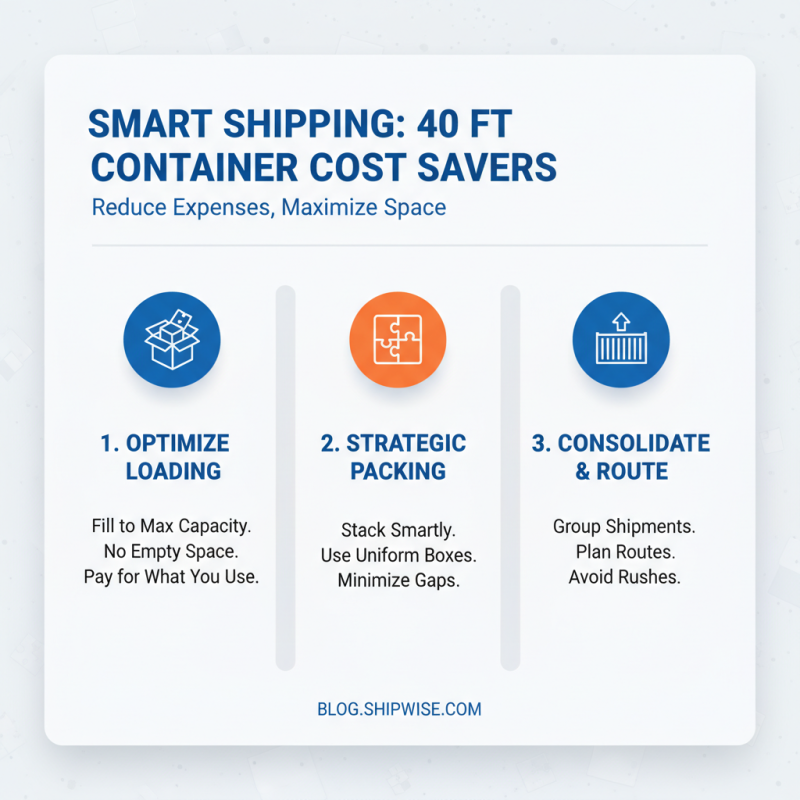
Shipping costs can quickly add up, especially when using a 40 ft container. To keep expenses in check, consider several practical strategies. First, optimize your loading process. Fill the container to its maximum capacity. Avoid leaving empty spaces. This ensures you pay for every square inch used.
Another effective tip is to partner with freight forwarders. They have valuable insights and can negotiate better rates. Seek advice from experts in the shipping industry. They often have access to discounts and special deals, which can significantly lower costs. Also, keep an eye on seasonal trends. Shipping rates fluctuate throughout the year. Planning around these trends can lead to substantial savings.
Lastly, don't overlook the option of shared shipping. This allows you to split the container with others. It’s a cost-effective method if your shipment doesn’t fill the whole container. Rethink your shipping choices and always seek alternatives. Small changes can lead to significant savings.