How to Choose the Right Conex Container for Your Needs?
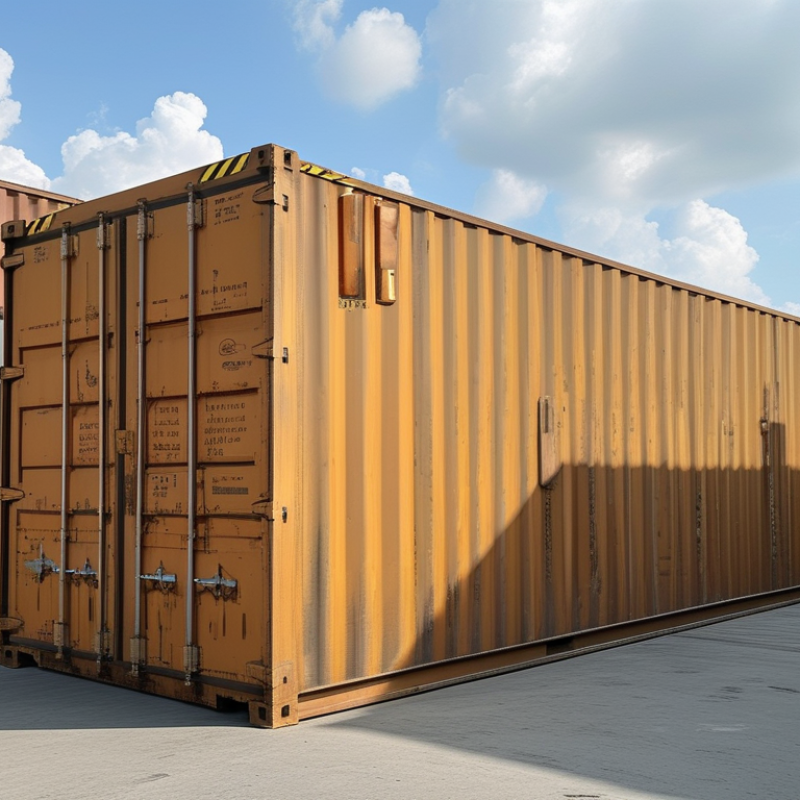
Choosing the right conex container can seem daunting. With various sizes and configurations, how do you decide? A conex container is not just a metal box; it serves multiple purposes. These containers are used for storage, shipping, and even mobile offices.
Understanding your specific needs is crucial. Factors like space, durability, and accessibility matter. It's vital to assess what you'll store or transport. For example, if you're handling heavy equipment, a stronger unit is essential.
Reflecting on your choices can lead to better outcomes. Many overlook the importance of insulation and ventilation. Proper features can make a difference, especially for sensitive items. The right conex container can save you time and money in the long run.
Understanding Different Types of Conex Containers Available in the Market
When selecting a Conex container, it's vital to understand the varieties available. Standard containers are the most common type, providing ample space for general storage or transport needs. They typically come in sizes like 20 feet and 40 feet. These are perfect for moving goods or temporary storage solutions.
Another option is refrigerated Conex containers. They are designed to store perishable items. If you are transporting food or medical supplies, these containers maintain a consistent cold temperature. Their insulation technology is impressive but can be complex. Taking the time to understand the features is essential.
If you need a temporary workspace, consider insulated or modified containers. These provide better climate control than standard units. However, they may need specific customization to meet your needs. Always reflect on what you require before making a choice. Each container type has distinct advantages and limitations. Understanding these aspects can lead to better decision-making and ultimately a more satisfactory experience.
Conex Container Types and Their Popularity
Assessing Your Storage and Transportation Needs for Conex Containers
When selecting a Conex container, understanding your specific storage and transportation needs is essential. Begin by evaluating the type of items you intend to store or transport. The size and weight of your cargo play a critical role in determining the appropriate container dimensions. A detailed inventory list can help clarify your requirements and prevent any last-minute surprises.
Consider the environmental conditions your container will face. Certain items may need protection against moisture, temperature fluctuations, or pests. This might lead to choosing a container with insulation or additional sealing. Think about accessibility as well. If frequent access to some items is necessary, a smaller container might be more practical than one holding everything.
Reflect on the duration of use as well. If your needs are temporary, renting might be the best option. However, if you plan to use it long-term, purchasing could be more cost-effective. Analyze your budget constraints in conjunction with these discussions. Sometimes, compromising on space or features can lead to increased overall costs or damaged goods. Taking time to assess these factors can greatly influence your satisfaction with the chosen container.
Evaluating Budget Constraints and Cost-Effectiveness of Conex Containers
Choosing a Conex container is about balancing budget constraints with overall cost-effectiveness. According to recent industry reports, Conex containers can range from $1,200 to $5,000 depending on size and condition. This wide price range requires careful evaluation. A new container might be more expensive upfront, but it often has a longer lifespan. Used containers are usually cheaper but may incur additional repair costs. Consider the total cost of ownership when making your decision.
Budgeting should take into account both purchase price and potential unexpected expenses. Research indicates that maintenance expenses can average 10-15% of the initial cost annually. Investing in a high-quality container up front may save money in the long run. Furthermore, storage solutions should align with your operational needs. If you require frequent access, investing in a container with accessibility features might justify the higher price.
Cost-effectiveness also relates to resale value. A well-maintained container can retain a significant portion of its value. Data shows that some containers can be resold for up to 70% of their original price after several years. Weigh these factors against your specific needs to find the right balance. Understanding local market trends also plays a crucial role; prices can fluctuate based on demand in your area.
Considerations for Choosing the Right Size and Dimension of a Conex Container
Choosing the right size and dimension of a Conex container is crucial for its intended use. An accurate assessment of your storage needs can save you time and money. For example, a standard 20-foot container can hold the equivalent of a one-bedroom apartment.
This sizing works well for personal storage or small-scale shipping. Meanwhile, a 40-foot option doubles that capacity, ideal for larger items or significant inventory.
Dimensions matter too. Consider the height and weight limits of your site. Will the container fit under low-hanging structures? Additionally, specific projects might require customized dimensions. It’s important to consult with experts if you’re unsure about your needs. Each situation offers unique challenges, and it's wise to weigh your options carefully.
Sometimes, people overestimate or underestimate their requirements. It’s worthwhile to take an inventory of what you plan to store. Think about how items will be accessed and organized within the space.
The wrong choice could lead to wasted resources or logistical nightmares later on. Taking the time to reflect on your needs can help prevent these pitfalls.
Exploring Additional Features and Customizations for Conex Containers
Choosing the right Conex container involves more than just size. There are numerous additional features and customizations available that can enhance functionality. Consider options like ventilation, which may be essential for storing sensitive materials. Proper airflow helps prevent moisture buildup, reducing the risk of mold and deterioration. Insulation is another vital feature for temperature-sensitive goods. A well-insulated container can keep your items safe from extreme weather conditions.
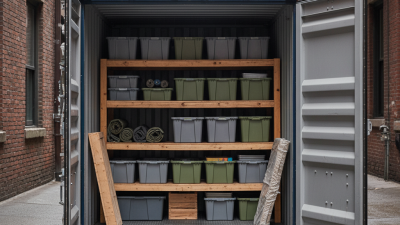
When customizing, think about security. Adding reinforced doors or locks increases safety for valuable items. The choice of colors and coatings can also reflect your brand or identity. Some containers can be outfitted with windows or shelving for added convenience. This flexibility caters to a variety of uses, from mobile offices to storage units.
Reflect on your specific needs. Are you moving or storing items? Will the container be exposed to harsh environments? Make sure to evaluate the long-term impact of your choices. Sometimes, it may be tempting to opt for the most features. However, simpler solutions can often be more effective. Focus on what truly matters for your situation.