How to Choose the Right Sea Container for Your Needs?
Choosing the right sea container for your needs is essential. It impacts shipping efficiency and cost. Sea containers come in various sizes and types. Understanding your requirements helps make an informed decision.
Consider what you are shipping. Are they delicate items or bulk materials? The type of cargo influences the container choice. For perishable goods, temperature control may be vital. For heavy machinery, durability is key. Not all sea containers fit every purpose.
Think about accessibility too. How often will you need to access the container? Location matters. A poorly suited choice can lead to unforeseen complications. Take the time to assess your needs, and reflect on what this means for your shipping process.
Understanding Different Types of Sea Containers Available in the Market
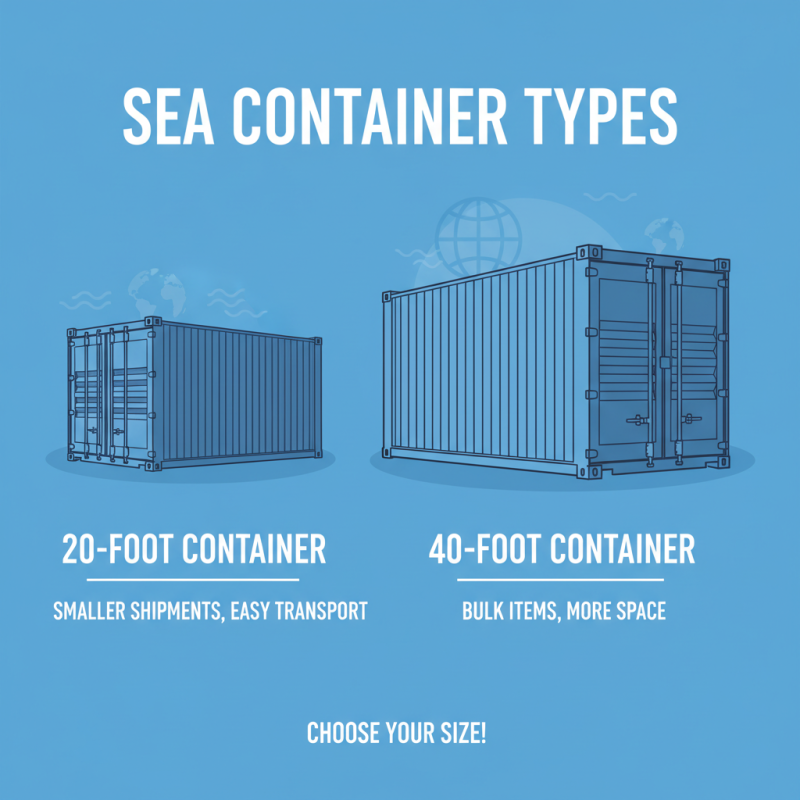
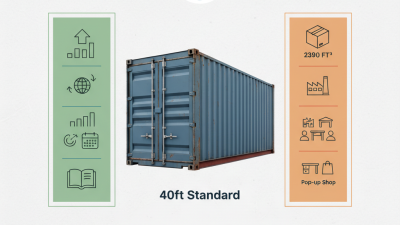
When choosing a sea container, knowing the types available is key. Generally, containers come in standard sizes, like 20-foot and 40-foot variations. The 20-foot container is perfect for smaller shipments. It’s easy to load and transport. A 40-foot container allows for more space, which is great for bulk items. These sizes can fit most needs but might not suit everyone.
Moreover, there are specialized containers too. Refrigerated containers keep perishable goods fresh. They require power, which is an added consideration. Open-top containers allow oversized cargo to be loaded easily. However, they expose items to the elements, which can lead to damage. Think about the specific goods you have in mind. This will help narrow down your options.
It's also essential to reflect on usage. Are you shipping frequently or just once in a while? If it's the latter, renting might be wiser. Yet, buying a container could be a better long-term investment. Prices can vary, and maintenance is necessary. These factors should inform your decision to avoid costly mistakes later on.
Evaluating Your Cargo Requirements for Optimal Container Size and Type
Choosing the right sea container requires careful evaluation of your cargo needs. The size and type of container should match your shipment. Ask yourself: What am I shipping? Is it heavy or delicate? Understanding these details can help avoid costly mistakes.
When assessing your cargo, consider volume and weight. Standard containers come in 20-foot and 40-foot sizes. A 20-foot container holds about 28 cubic meters. It's ideal for smaller loads. If you're sending large shipments, a 40-foot container may be better. Ensure you know your cargo's dimensions to choose wisely.
**Tips:** Measure your cargo precisely. This avoids issues during loading. Consider the container's weight limits. Oversized shipments can lead to delays. Always keep in mind the potential for damage. If unsure, consult with a logistics expert for guidance. Their insight can be invaluable.
Container Size and Type Evaluation for Optimal Cargo Needs
Assessing Container Condition: New vs. Used Options
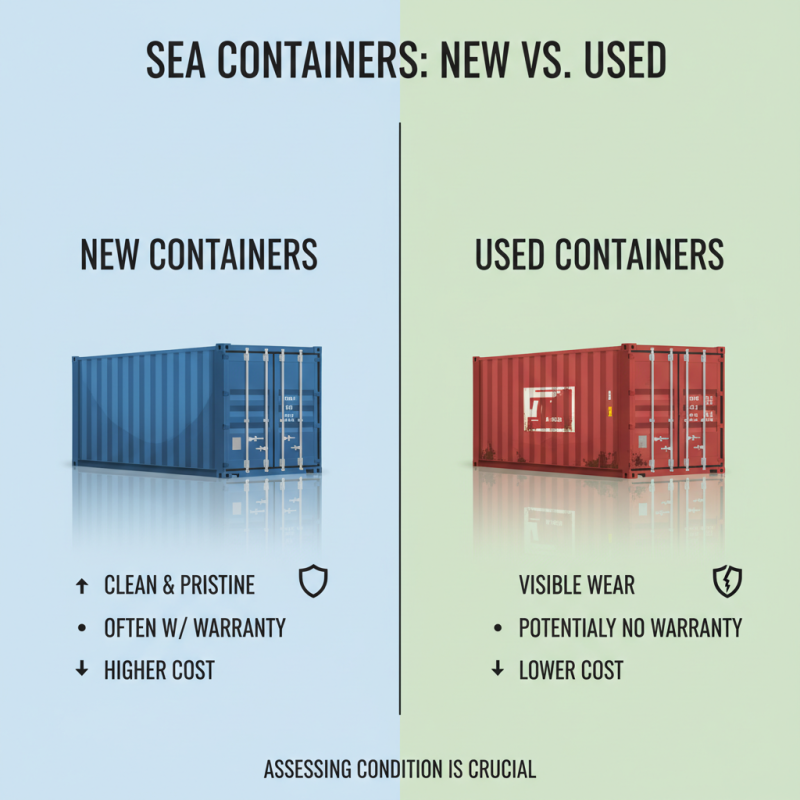
When considering sea containers, assessing their condition is crucial. Buyers often face the choice between new and used options. New containers present a clean and pristine appearance, which can be appealing. They often come with a warranty. However, they can also be more expensive compared to their used counterparts.
Used containers, while potentially showing signs of wear, can often offer significant savings. These containers might have scratches, rust, or minor dents. Yet, they remain structurally sound and functional. Inspecting a used container is essential. Look for signs of water damage or rusting in critical areas. The right choice depends on budget and the intended use. Those needing short-term storage may find used containers sufficient.
Consider how the container will be used. If long-term durability is key, a new container may be worth the investment. But, if your needs are temporary, used options are budget-friendly. Remember, the condition of the container can affect its resale value as well. Choosing wisely now can save you from regrets later.
Key Features to Consider for Your Specific Shipping Needs
When selecting a sea container, specific shipping needs must guide your choice. Knowing your cargo is essential. According to industry reports, over 80% of global trade relies on shipping containers. Weight, dimensions, and type will significantly impact your decision.
Consider the nature of your goods. Will they require refrigeration? If so, reefer containers are necessary. A standard container, around 20 or 40 feet, can hold about 28,800 liters of cargo. This measurement can help calculate space effectively. Keep in mind, not all containers are created equal. Some may have rust, dents, or structural integrity issues.
Tips: Pay attention to container conditions. Inspect for any visible damage. Evaluate your transport route as well. Weather variations can affect your goods. Plan for unforeseen challenges to ensure safe delivery.
Lastly, remember that costs vary. The average price per container can fluctuate by region. It can range from $1,500 to $5,000, depending on availability. This price includes shipping but not any additional handling fees. Make sure your budget aligns with your shipping strategy.
How to Choose the Right Sea Container for Your Needs? - Key Features to Consider for Your Specific Shipping Needs
| Container Type |
Dimensions (LxWxH) |
Volume (Cubic Meters) |
Max Weight (kg) |
Ideal Use Cases |
| 20ft Dry Container |
6.058 x 2.438 x 2.591 m |
33.2 |
30,480 |
General cargo, electronics, textiles |
| 40ft Refrigerated Container |
12.192 x 2.438 x 2.591 m |
67.7 |
30,480 |
Perishables, pharmaceuticals |
| 40ft High Cube Container |
12.192 x 2.438 x 2.896 m |
76.4 |
30,480 |
Bulky goods, furniture |
| 45ft High Cube Container |
13.716 x 2.438 x 2.896 m |
85.0 |
30,480 |
Heavy equipment, machinery |
| Tank Containers |
Container sizes vary |
Up to 26.0 |
Max payload varies |
Liquid bulk, chemicals |
Choosing the Right Container Supplier: Factors to Consider
Choosing the right container supplier can make a huge difference in your shipping experience. Quality should be your top priority. Inspect the containers for damage or rust. A reliable supplier ensures you get containers in good condition. This is crucial for protecting your cargo. It’s also worth asking about their maintenance practices. A well-maintained fleet usually signifies professionalism.
Price is another vital factor. While you may be tempted to choose the cheapest option, this can lead to hidden costs. Ensure that all terms are clear. Some suppliers may not include additional fees upfront. Be aware of this to avoid surprises. Furthermore, consider the supplier's reputation. Reviews and client testimonials can provide insight. If a supplier has consistent complaints, that’s a red flag. Check references and don’t hesitate to ask for them.
Communication is key in any business relationship. A good supplier will keep you informed throughout the shipping process. If they are unresponsive, it may cause issues later. Ensure they are easy to reach.
Finally, think about your specific needs. Does the supplier offer customized solutions? You may need specialized containers for certain cargo types. Don’t be afraid to discuss your requirements in detail. This ensures you receive exactly what you need for your operations.