What is a 20ft refrigerated container and its uses?
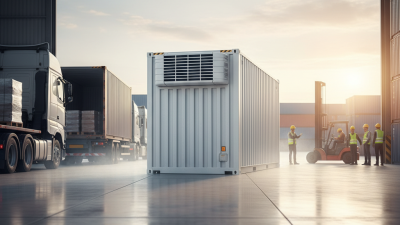
In the global shipping industry, a 20ft refrigerated container has become essential for transporting perishable goods. These containers maintain a controlled environment, crucial for products like seafood, dairy, and pharmaceuticals. According to a report by the International Maritime Organization, the refrigerated container market is projected to grow by 5% annually. This growth reflects the increasing demand for fresh food and temperature-sensitive products.
Expert in cold chain logistics, Dr. Emily Chen, notes, "The efficiency of a 20ft refrigerated container is vital for sustaining the quality of goods." With its standard dimensions, this container can hold significant payloads while being manageable for transport. These units enable companies to expand their reach, especially in regions lacking refrigeration infrastructure.
However, there are challenges. Maintenance issues can arise, affecting temperature regulation. Additionally, improper loading can lead to spoilage, resulting in financial losses. Continuous training on best practices in handling refrigerated freight is necessary. The evolution of the 20ft refrigerated container will play a pivotal role in shaping the future of food logistics.
Definition and Features of a 20ft Refrigerated Container
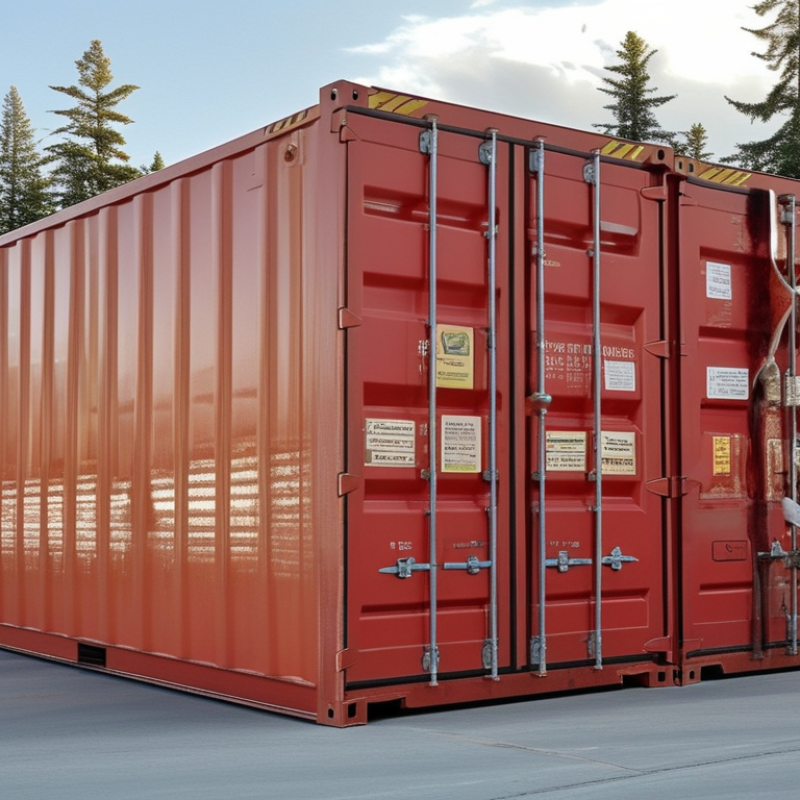
A 20ft refrigerated container is a specialized shipping container. It is designed to transport perishable goods. These containers maintain a consistent temperature throughout transit. They are crucial for industries like food and pharmaceuticals.
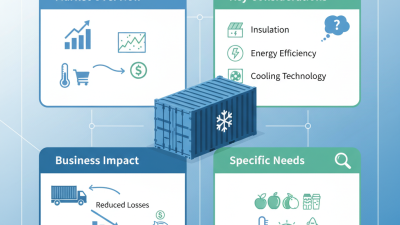
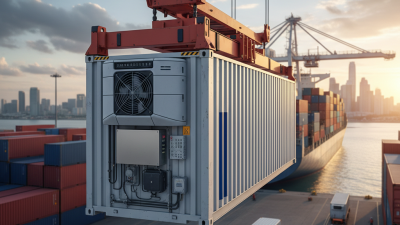
The key feature of a 20ft refrigerated container is its insulation. This insulation helps retain the cold air inside. The refrigeration unit runs on electricity or diesel. These containers also have a ventilation system to manage humidity levels. They typically have a temperature range from -20 to +20 degrees Celsius.
Despite their advantages, the containers require regular maintenance. Issues can arise if the refrigeration unit fails. Proper temperature monitoring is essential. A small drop in temperature can spoil goods. Users must be aware of these potential pitfalls when relying on refrigerated containers for logistics.
What is a 20ft Refrigerated Container and Its Uses?
| Dimension |
Value |
| Length |
20 ft (6.1 m) |
| Width |
8 ft (2.44 m) |
| Height |
8.5 ft (2.59 m) |
| Temperature Range |
-20°C to 15°C (-4°F to 59°F) |
| Internal Volume |
28.3 m³ (1,000 ft³) |
| Common Uses |
Transporting perishable goods, pharmaceuticals, seafood, and meat. |
| Power Supply |
Typically 220V or 440V, depending on model. |
Common Applications of 20ft Refrigerated Containers in Various Industries
A 20ft refrigerated container is an essential tool in multiple industries. These containers maintain a controlled, cold environment, crucial for preserving temperature-sensitive goods. The global market for refrigerated containers is projected to grow significantly, driven by increased demand for fresh and frozen products. According to industry data, the food sector accounts for nearly 70% of the refrigerated container market.
In the food industry, these containers transport perishable goods such as fruits, vegetables, and dairy products. For example, it prevents spoilage during long-distance shipping. The pharmaceutical industry also relies heavily on 20ft refrigerated containers for transporting vaccines and medications. Maintaining specific temperature ranges ensures the integrity of these critical products.
Tips: Regularly inspect the container's refrigeration unit. Look for signs of wear that could compromise temperature control. Additionally, ensure proper sealing to prevent cold air escape. The mechanical functions should be serviced routinely to maintain reliability.
Of note, many businesses face challenges with temperature monitoring during transport. Not all shipping companies use advanced technologies to track temperatures. As a result, discrepancies may occur, jeopardizing product quality. It’s vital for companies to invest in robust monitoring systems. Ensuring compliance with guidelines can prevent significant losses.
Benefits of Using 20ft Refrigerated Containers for Temperature-Sensitive Goods
A 20ft refrigerated container, often referred to as a reefer, is essential for transporting temperature-sensitive goods.
These containers maintain a consistent temperature, ensuring that items like pharmaceuticals,
seafood, and fresh produce remain safe throughout their journey. According to industry reports,
companies using refrigerated containers can reduce spoilage rates by up to 25%.
This efficiency translates into significant cost savings.
One major benefit of using a 20ft refrigerated container is the flexibility it offers. These containers are perfect for
both short and long-distance
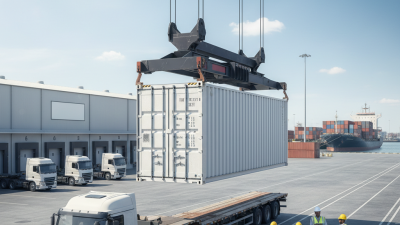
transportation. They can be easily loaded onto trucks, ships, or trains, providing seamless transitions.
Additionally, their compact size allows for easier maneuvering in crowded ports or warehouse environments, maximizing operational efficiency.
Tip: Always monitor the temperature settings. Malfunctions can lead to
spoilage risks. Regularly check the seals and insulation to ensure their effectiveness.
Another advantage lies in energy efficiency. Modern refrigerated containers
use advanced cooling technology, which consumes less energy compared to older models. However, companies must balance this with
the initial investment costs. Regular maintenance is also crucial; neglect can lead to higher energy consumption and reduced performance.
Tip: Develop a maintenance schedule for your refrigerated containers.
An ounce of prevention can save you a pound of cure.
Comparison of 20ft Refrigerated Containers with Other Container Sizes
When we examine refrigerated containers, the 20ft size stands out. These containers are designed to maintain temperatures ideal for perishable goods. They are often used in the food industry, pharmaceuticals, and for transporting flowers. But how does the 20ft container compare to larger or smaller sizes?
The primary difference lies in capacity. A 20ft refrigerated container can hold about 10-12 pallets, making it suitable for medium shipments. In contrast, a 40ft container can carry nearly double that amount. Smaller containers, like the 10ft version, are less common but useful for smaller loads. Choosing the right size impacts cost and efficiency.
Tips for selecting a refrigerated container:
- Consider your cargo type.
- Understand your temperature needs as some goods require specific climates.
- Ensure you measure the space where the container will sit; larger sizes may not fit.
- Reflect on the duration of your haul, as some containers have varying insulation levels that impact temperature stability over time.
- Avoid rushing into a decision without assessing your volume needs; an oversized container can lead to wasted space and resources.
Maintenance and Operational Considerations for 20ft Refrigerated Containers
Maintaining a 20ft refrigerated container requires a keen understanding of its components. These containers are critical for transporting perishable goods. Regular inspections can prevent major failures. Checking the refrigeration unit’s efficiency is essential. Sub-optimal cooling can lead to spoilage and financial loss. A report from the International Institute of Refrigeration states that improper maintenance can result in temperature inconsistencies, impacting product quality.
Operational considerations are equally important. Users must monitor temperature settings closely. Fluctuations beyond set limits can damage contents. According to a study by the World Food Programme, maintaining a consistent temperature reduces spoilage rates significantly. It’s crucial to use these containers within their operational limits. Overloading can strain the cooling system, leading to premature wear. Technicians should be regularly trained to handle maintenance tasks. Without proper knowledge, minor issues can escalate quickly.
While a 20ft refrigerated container offers great advantages, challenges remain. Environmental factors, like ambient temperature, can affect performance. Users should also be aware of energy consumption. Efficient power usage supports cost-effectiveness. Balancing these operational aspects requires ongoing attention and adjustment. This vigilance ensures the integrity of the refrigerated transport process.
Operational Uses of 20ft Refrigerated Containers