2026 Best 20ft Container How to Choose the Right One?
Choosing the right 20ft container requires careful consideration. These containers serve various purposes, from shipping goods to storage solutions. Understanding your specific needs is crucial.
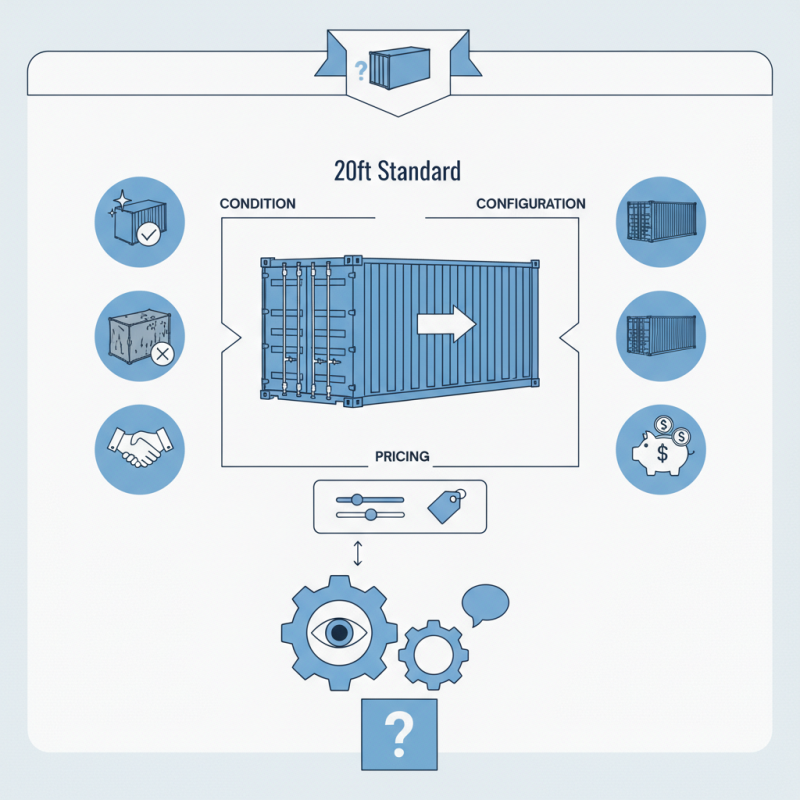
Several factors impact the choice of a 20ft container. For instance, the condition of the container, whether new or used, greatly affects reliability. A new container offers durability, while used ones may have more character but could come with hidden issues.
Another aspect to consider is the container's configuration. Options include standard or high cube designs, each serving different purposes. Pricing also varies, providing choices for every budget. Ultimately, the right choice should align with your project needs and expectations. Reflect on what you truly require before making a decision.
Understanding the Different Types of 20ft Containers Available in 2026
When choosing a 20ft container in 2026, understanding the different types available is crucial. The most common types include standard, high cube, and open-top containers. Standard containers are ideal for general storage. They measure exactly 20ft long, 8ft wide, and 8.5ft high. They fit most items but might not accommodate larger goods.
High cube containers offer extra height. They are the same length and width as standard containers but rise to 9.5ft high. This extra space is great for taller items. Open-top containers allow for loading from above, making them suitable for oversized cargo. However, they come with their challenges, such as weather exposure during transit.
Consider the intended use carefully. Each type has strengths and weaknesses. A standard container might not work if you have specific height needs. Analyze your cargo dimensions before making a decision. Your choice directly impacts efficiency and costs. Incorrect selection could lead to wasted space or loading difficulties, so weigh your options carefully.
Key Features to Consider When Choosing a 20ft Container
When selecting the right 20ft container, several key features should come into play. First, consider the container's condition. New containers offer durability, while used ones may present a cost-effective option. Inspect for rust, dents, or structural issues. These factors can impact longevity and functionality. A well-maintained container serves your needs better.
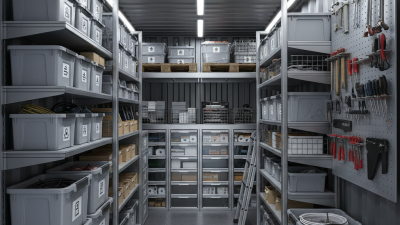
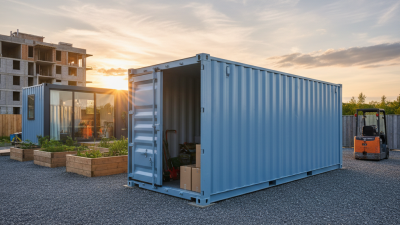
Next, think about the container's purpose. Do you need it for storage, shipping, or as a temporary workspace? The interior layout matters. Standard containers provide a basic structure, but modifications can enhance usability. For example, adding windows or insulation can increase comfort and accessibility.
Additionally, assess the container's weight capacity. Ensure it meets your specific requirements. Containers usually have a maximum payload of around 28,000 lbs. If you plan to load heavy items, this feature is crucial. Validate the dimensions and height to ensure compatibility with your site. A poor fit could lead to logistical challenges. Reflect on these details carefully. They contribute to a successful purchase.
Evaluating Container Condition: New vs. Used Containers
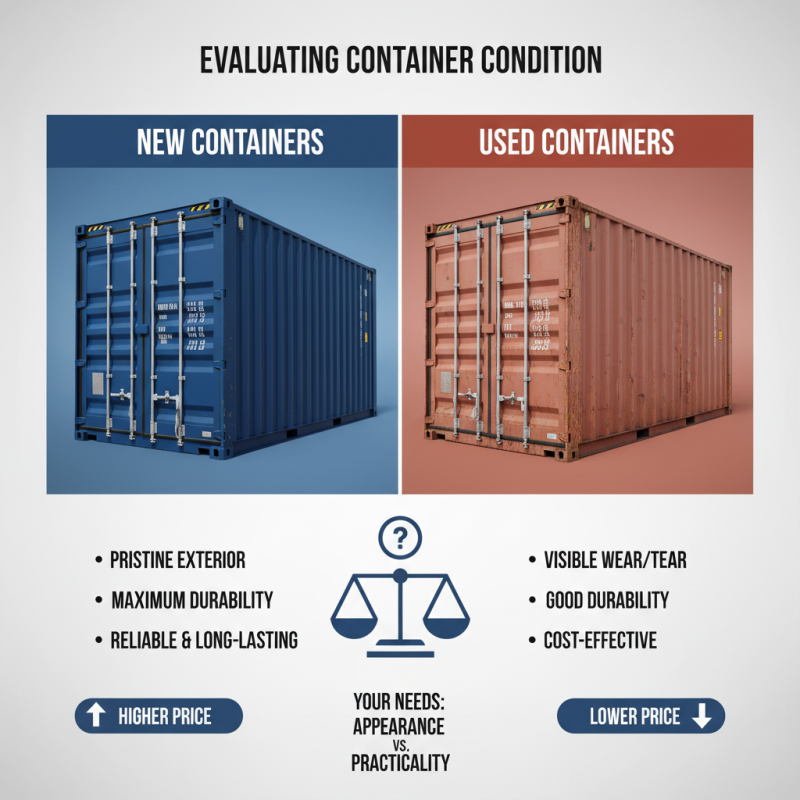
When choosing between new and used 20ft containers, evaluating the container condition is crucial. New containers often shine with a pristine exterior and a promise of durability. They are built to last and provide reliability. However, they come at a higher price. Consider if you truly need the fresh appearance or if the practicality of a used container suits your needs better.
Used containers can be more affordable and readily available. They often show signs of wear. Look for rust, dents, or structural issues. These can affect performance, especially if you plan to store valuable items. It's essential to inspect the container thoroughly. While minor cosmetic flaws may not concern you, check for leaks and integrity.
Reliability is key. You might find a used container in excellent condition for less. However, make sure it meets your specific requirements. Reflect on your priorities, such as budget and purpose. Ultimately, the right choice balances condition with your unique needs.
Assessing Your Storage and Transportation Needs
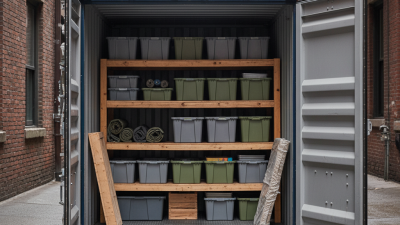
When selecting the right 20ft container, understanding your storage and transportation needs is essential. Assess your specific requirements based on what you plan to store. Consider factors like weight, dimensions, and the type of items. This evaluation helps avoid overspending on unnecessary space.
Think about how frequently you will access your container. If you need regular access, a ground-level container may be more convenient. If it's for long-term storage, you might prioritize durability and weather resistance. Experiencing unexpected damaged items can lead to frustrations.
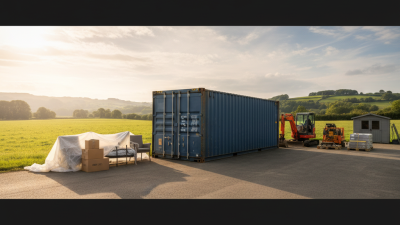
Remember to evaluate transport considerations. Will the container be on-site or moved often? Different containers may offer different mobility options. Some require specialized handling, which can impact overall costs. Reflecting on these aspects can help ensure you make an informed decision. Identifying your specific needs today may prevent costly mistakes later.
Budgeting for Your 20ft Container Purchase or Rental Options
When considering budgeting for a 20ft container, it’s essential to explore both purchase and rental options. Typically, purchasing a new 20ft container may cost between $2,000 to $5,000, depending on the condition and type. On the flip side, rental prices generally range from $50 to $300 per month. Analyzing your needs will guide the right choice.
A report by the Container Owners Association indicates that the market for container rentals has grown significantly, reflecting a shift in consumer preferences. This trend reinforces the need to assess whether renting fits your short-term or long-term goals. It’s vital to factor in costs for delivery and maintenance, as these can accumulate quickly.
**Tips:** When renting, look for hidden fees. These can spike overall costs unexpectedly. Also, consider the duration of need. Short-term rentals may offer flexibility but can be more expensive. Think about seasonal fluctuations as they may impact pricing.
2026 Best 20ft Container Options